

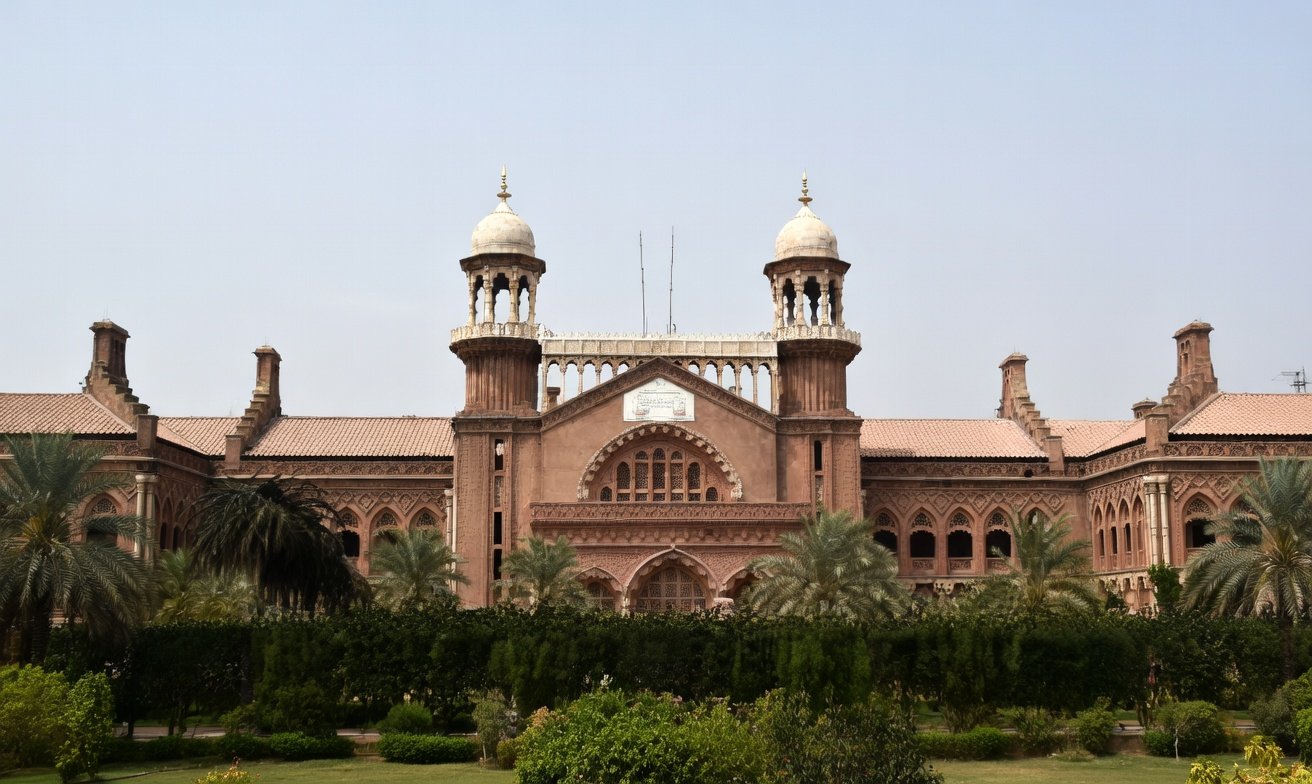
The Lahore High Court (LHC) has set aside an 80-year-old land mutation that was based on a “fictitious will,” ruling that such wills in favour of legal heirs are invalid under Islamic law.
The dispute involved land in Rahim Yar Khan district once owned by the late Din Muhammad, who died without children. Petitioners claimed that in 1945, a predecessor of one of the respondents used a fraudulent will to transfer the property into his own name.
In its judgement, the court held that Islamic inheritance principles take precedence over man-made laws when it comes to succession. The judge cited the Holy Quran and the final sermon of Prophet Muhammad (PBUH), noting that a Muslim cannot leave a will in favour of someone who is already a legal heir.
The court found the 1945 mutation to be fraudulent and contrary to Islamic injunctions and ruled that the law of limitation does not apply in cases where co-heirs enforce their inheritance rights. As a result, the mutation was annulled, and the land will now be distributed among all legal heirs according to Islamic succession law.
The judgement reaffirmed constitutional provisions that establish Islam as the state religion and ensure that Muslims are enabled to organise their lives in accordance with the Quran and Sunnah.