

Pakistan, alongside the United Kingdom, Arab League members, the Organisation of Islamic Cooperation (OIC), and several European countries, strongly condemned Israel’s plans to annex parts of the Occupied Palestinian Territory, including East Jerusalem. Pakistan’s Permanent Representative to the UN, Asim Iftikhar, stated that any attempt to alter the demographic character or status of Palestinian territories violates international law and undermines efforts to achieve a just and lasting peace.
In New York, the lead envoy for U.S. President Donald Trump’s “Board of Peace” initiative called on UN Security Council members to press Hamas to disarm without delay, as part of a broader ceasefire and peace framework in Gaza. The initiative, negotiated by the United States alongside Qatar and Egypt, seeks to move beyond a two-year ceasefire, calling for gradual Israeli force withdrawal and the deployment of an international stabilisation force to oversee reconstruction and ensure long-term security.
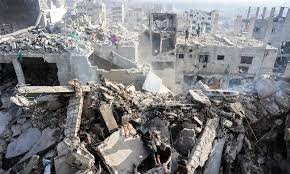
Despite these diplomatic efforts, sporadic violence continues across Gaza and the occupied West Bank. An Israeli soldier reportedly threw a stun grenade into a shop crowded with Palestinians, while a UN expert accused Israel of tacitly allowing torture and described life in occupied territories as a “continuum of suffering.” Israeli settlers also attacked West Bank villages near Nablus, injuring several Palestinians. Limited passage was resumed at the Rafah Gaza-Egypt border crossing, allowing some wounded patients and stranded civilians to exit Gaza after weeks of closure. Gaza’s civil defence reported at least four people killed in recent Israeli strikes in Gaza City neighbourhoods, highlighting that violence persists despite ceasefire attempts.
Pakistan’s condemnation and calls for restraint underscore Islamabad’s continued diplomatic engagement on the Palestinian issue and its stance in support of international law and human rights. The developments reflect the ongoing fragility of peace in the region, as international actors push for de-escalation while confrontations and humanitarian crises continue on the ground.