

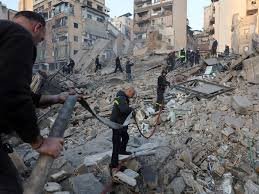
Recent strikes on major energy infrastructure across the Middle East have intensified fears of a deepening energy crisis, pushing global oil and gas prices higher and threatening supplies from some of the world’s most strategically important facilities. Qatar’s flagship Ras Laffan liquefied natural gas (LNG) complex, one of the largest energy hubs globally, suffered extensive damage after ballistic missile strikes, damaging key processing units and igniting fires that disrupted operations, officials and industry sources said. Qatar condemned the attack and expelled Iranian diplomats, calling the strikes a violation of its sovereignty.
The escalation follows a retaliatory pattern in the wider Iran–U.S.–Israel conflict, which has seen targeted assaults on energy facilities and infrastructure. Earlier Israeli strikes hit Iran’s South Pars gas field, the world’s largest natural gas reservoir shared with Qatar, prompting threats by Iranian forces to retaliate against Gulf energy sites in Saudi Arabia, the United Arab Emirates, and Qatar. Regional governments, including the UAE, have reported missile and drone attacks on facilities such as Habshan gas plant and oil fields near Abu Dhabi, which have disrupted production and forced precautionary shutdowns.
The violence has contributed to a sharp rally in global oil prices, with Brent crude trading above $110 per barrel, reflecting investor concern over tightening supplies and extended outages at key export facilities that previously underpinned global energy markets. Export pipelines and shipping through the Strait of Hormuz, a transit point for about 20 percent of global crude, remain under strain as hostilities continue.
Economic analysts warn that if attacks on energy infrastructure persist, disruptions could spread beyond oil and gas prices to broader economic effects, including higher fuel costs, inflationary pressure on consumer goods, and uncertainty in investment and trade flows linked to energy security. Officials from Gulf states are balancing calls for de‑escalation with measures to protect critical assets, amid diplomatic efforts to prevent further damage to a region heavily dependent on energy exports.