

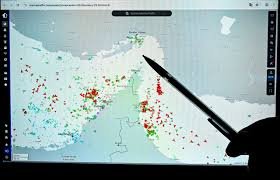
Continued disruption of shipping through the Strait of Hormuz, a strategic maritime chokepoint through which roughly 20 percent of the world’s crude oil and liquefied natural gas typically transits, is driving up food prices across Gulf Arab states and beyond. The waterway has been effectively constrained amid the broader Iran–US–Israel conflict, prompting many commercial vessels to avoid the route entirely and forcing importers to seek longer, costlier alternatives.
Supermarkets in countries such as Bahrain, the United Arab Emirates and others have reported noticeable increases in staple food prices as shipping delays, higher freight costs and insurance premiums filter through supply chains. These disruptions compound existing inflationary pressures already affecting consumer goods costs in the region.
The blockade has also left essential agricultural inputs like fertiliser stranded, compounding concerns about future food inflation. The agricultural supply chain’s dependence on timely imports, particularly for grains and fertilisers transiting the Gulf, means that continued restricted access could sustain or deepen price rises in the coming months.
Importers across the Gulf are scrambling to reroute cargo via longer corridors around the Cape of Good Hope or through secondary ports, a shift that adds transit time and cost to basic food shipments. Combined with disrupted energy links, including a partial halt in tanker traffic through Hormuz, the situation has placed significant strain on regional markets.
Economic analysts warn that if the Strait remains constrained, the rising costs will not be limited to food alone; energy‑driven inflation could spread throughout the broader Gulf economy, affecting household budgets and potentially slowing growth.
Governments in the Gulf, heavily reliant on imported food supplies due to limited domestic agricultural output, are already feeling the impact, with price increases for essentials such as meat, produce and dairy reported in urban markets. Regional authorities are monitoring the situation closely, balancing efforts to secure alternative supply routes with diplomatic efforts to ease tensions around the strait.