

Close Menu

    Subscribe to Updates

    Get the latest creative news from FooBar about art, design and business.

    What's Hot

    Iran Will Prepare for 2026 World Cup but Refuses to Play Matches in U.S.

    March 19, 2026

    BTS Begins Comeback Era with Major U.S. Late-Night TV Return

    March 19, 2026

    CRUDE PRICES SURGE, GLOBAL STOCKS SLUMP ON ENERGY SHOCK FEARS

    March 19, 2026
    Facebook X (Twitter) Instagram
    Trending
    • Iran Will Prepare for 2026 World Cup but Refuses to Play Matches in U.S.
    • BTS Begins Comeback Era with Major U.S. Late-Night TV Return
    • CRUDE PRICES SURGE, GLOBAL STOCKS SLUMP ON ENERGY SHOCK FEARS
    • PSX Declines as Global Oil Price Surge Dampens Market Sentiment
    • Pakistan’s Ruet‑e‑Hilal Committee to Meet in Islamabad to Sight Shawwal Moon for Eid ul‑Fitr
    • Key Middle East Energy Sites Targeted Amid Rising Regional Tensions
    • Unidentified Drones Spotted Over Washington Base Housing Rubio and Hegseth
    • Strait of Hormuz Blockage Drives Up Food Prices Across Gulf States
    Facebook X (Twitter) Instagram
    echoasianews.com
    • Home
      • Fact Check
      • War Updates
    • World News
    • Local News
    • Opinion
    • Business
    • Entertainment
    • Sports
    • Politics
    • Technology
    echoasianews.com
    Home»Opinion»Between Escalation and Stability: A Strategic Opening for Pakistan
    Opinion

    Between Escalation and Stability: A Strategic Opening for Pakistan

    Shakeel AkhtarBy Shakeel AkhtarMarch 19, 2026No Comments4 Mins Read
    Facebook Twitter Pinterest LinkedIn WhatsApp Reddit Tumblr Email
    Share
    Facebook Twitter LinkedIn Pinterest Email

    The current pattern of conflict reflects a structural imbalance in global strategy. Military superiority continues to be applied to conflicts that are rooted in identity, sovereignty, and political legitimacy. This approach produces immediate tactical outcomes, but it fails to secure long-term stability.

    Across multiple regions, the same cycle is visible. Escalation delivers short-term advantage. It is followed by resistance, prolonged instability, and the gradual erosion of political objectives. This is not a question of capability. It is a question of alignment between means and reality.

    Nature of Contemporary Conflicts

    A critical distinction remains underappreciated. The majority of conflicts across the Muslim world are localized in nature. They are driven by self-determination and shaped by specific political contexts. Treating them as components of a single, unified ideological threat leads to strategic overreach.

    Overreach generates resistance. Resistance sustains conflict.

    This dynamic has created a strategic gap. There is no credible mechanism at present to manage escalation while preserving the political space of all major stakeholders. The absence of such a mechanism increases the risk of miscalculation.

    Pakistan’s Strategic Position

    Pakistan maintains functional engagement across multiple regional axes. It carries no expansionist intent and remains primarily focused on stability within its immediate and extended environment. Its strategic posture has been shaped by sustained exposure to ideological contestation, external pressure, and the necessity of internal cohesion.

    This experience has produced a calibrated approach to conflict management.

    Pakistan understands that ideological resilience cannot be neutralized through force alone. It adapts and persists under pressure. Any strategy that does not account for this reality risks prolonging instability rather than resolving it.

    At the same time, Pakistan retains access across divides that are otherwise difficult to bridge. This access, combined with strategic restraint, creates an opportunity to contribute constructively to de-escalation.

    Framework for Coordinated De-escalation

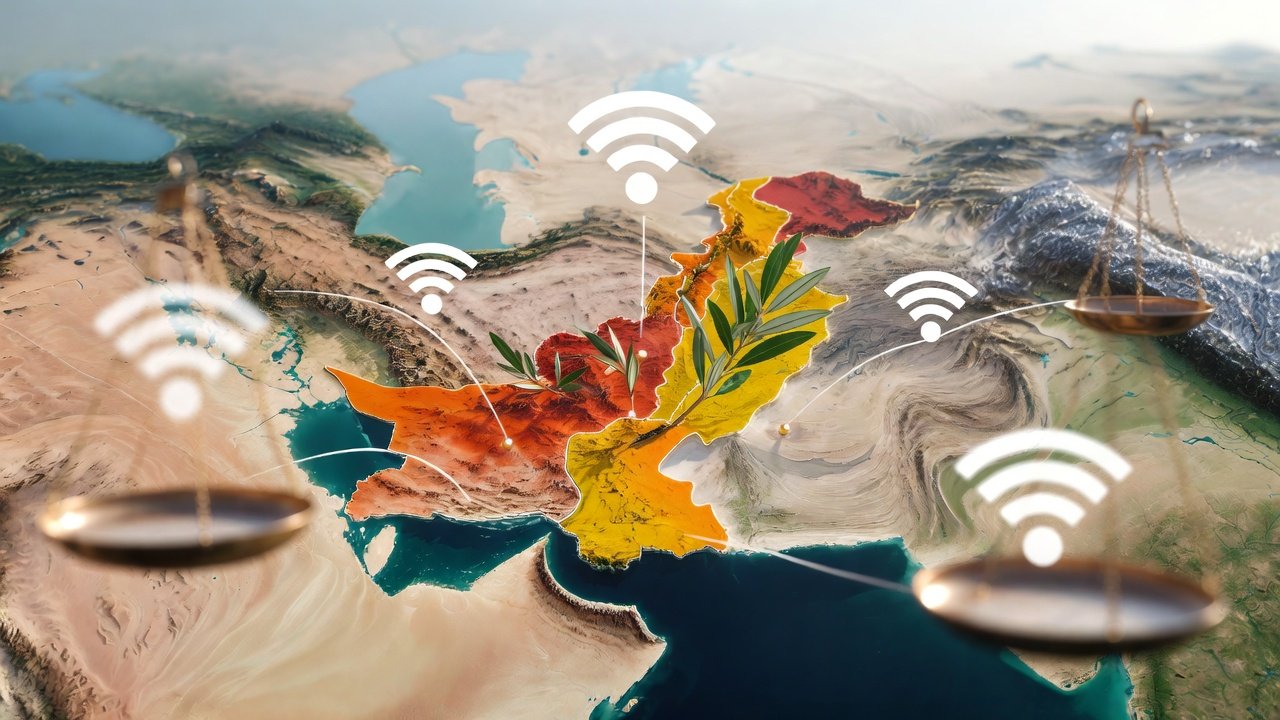
    In coordination with Saudi Arabia, Pakistan can support the development of a structured de-escalation framework focused on three operational areas.

    Parallel Communication Channels

    Sustained and direct lines of communication with Iran and key Gulf actors can reduce the risk of miscalculation. Continuous engagement allows for clarity in signaling and helps prevent unintended escalation.

    Stability of Critical Routes

    Coordinated measures to ensure the security of maritime and energy corridors can limit external pressure and stabilize global economic concerns. Predictability in these domains contributes directly to broader political stability.

    Phased Diplomatic Engagement

    A neutral and structured platform for de-escalation can enable all parties to transition from confrontation toward managed dialogue. Such a framework allows adjustments in posture without public loss of credibility, which remains a key consideration for major powers.

    Strategic Convergence

    This approach does not seek to impose outcomes. It seeks to create conditions where outcomes become possible.

    Pakistan’s role in such a framework is defined by balance, access, and continuity. Saudi Arabia contributes regional influence, economic weight, and political reach. Pakistan contributes strategic stability, institutional discipline, and cross-regional engagement.

    Together, they can facilitate a process that reduces escalation risk while preserving the strategic space of all actors involved.

    The Cost of Inaction

    The cost of inaction is evident. Continued escalation will expand humanitarian pressures, deepen polarization, and create space for non-state actors to exploit instability. These outcomes serve no long-term strategic interest.

    The window for measured intervention remains open, but it will not remain open indefinitely.

    Pakistan is in a position to support a shift from escalation toward stability.

    The requirement now is clarity of purpose and timely execution.

    Disclaimer: The views and opinions expressed in this article are solely those of the author and do not necessarily reflect the views, policies, or position of this website. The website does not endorse or oppose any opinion presented herein.

    Share this:

    • Share on Facebook (Opens in new window) Facebook
    • Share on X (Opens in new window) X

    Like this:

    Like Loading...
    Geopolitics Gulf States Iran Middle East Conflict Pakistan Saudi Arabia Strategic Stability
    Share. Facebook Twitter Pinterest LinkedIn Tumblr Telegram Email
    Shakeel Akhtar
    Shakeel Akhtar

    Shakeel Akhtar is a geopolitical analyst and writer based in Oslo, Norway. His work focuses on global power shifts, strategic behavior of states, and their implications for regional security, with particular emphasis on Pakistan’s defence posture and strategic maturity.

    Related Posts

    CRUDE PRICES SURGE, GLOBAL STOCKS SLUMP ON ENERGY SHOCK FEARS

    March 19, 2026

    From “Empty Site” to “Crime Against Humanity”: The Shifting Taliban Story on Pakistan’s Kabul Airstrike

    March 19, 2026

    The Strategic Importance of the Strait of Hormuz in the U.S.-Israel-Iran War

    March 18, 2026
    Leave A Reply Cancel Reply

    Don't Miss
    Sports
    Sports

    Iran Will Prepare for 2026 World Cup but Refuses to Play Matches in U.S.

    By EchoAsiaNewsMarch 19, 202602 Mins Read

    The Iranian national football team will continue preparations for the 2026 FIFA World Cup but…

    Share this:

    • Share on Facebook (Opens in new window) Facebook
    • Share on X (Opens in new window) X

    Like this:

    Like Loading...

    BTS Begins Comeback Era with Major U.S. Late-Night TV Return

    March 19, 2026

    CRUDE PRICES SURGE, GLOBAL STOCKS SLUMP ON ENERGY SHOCK FEARS

    March 19, 2026

    PSX Declines as Global Oil Price Surge Dampens Market Sentiment

    March 19, 2026

    Subscribe to Updates

    Get the latest news from echoasianews.

    Stay In Touch
    • Facebook
    • Twitter
    • Instagram
    • WhatsApp
    About Us
    About Us

    We cover a wide range of topics including World News, Business & Economy, Crypto, Entertainment, Politics, Sports, and Technology, ensuring our audience stays informed about both regional and international developments.
    We're accepting new partnerships right now.

    Email Us: social@echoasianews.com

    Facebook X (Twitter) Pinterest YouTube WhatsApp
    Our Picks

    Iran Will Prepare for 2026 World Cup but Refuses to Play Matches in U.S.

    March 19, 2026

    BTS Begins Comeback Era with Major U.S. Late-Night TV Return

    March 19, 2026

    CRUDE PRICES SURGE, GLOBAL STOCKS SLUMP ON ENERGY SHOCK FEARS

    March 19, 2026
    Categories
    • Blog
    • Business & Economy
    • Entertainment
    • Local News
    • Opinion
    • Politics
    • Sports
    • Technology
    • War Updates
    • World News
    © 2026 . All Rights Reserved EchoAsiaNews.

    Type above and press Enter to search. Press Esc to cancel.

    %d