

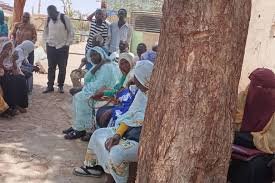
Volunteers, doctors and former patients have begun restoring Al‑Tijani Al‑Mahi Hospital for Psychiatric and Neurological Diseases, one of Sudan’s oldest mental health facilities, more than two years after it was severely damaged and looted during the country’s civil war. The initiative comes as Sudan’s already fragile healthcare system continues to collapse under persistent conflict between the Sudanese Armed Forces and the Rapid Support Forces (RSF), which has driven millions into displacement and left many medical facilities in ruins.
The hospital, founded in 1971 and long regarded as a regional centre for psychiatric care, was stripped of equipment, furniture and infrastructure during fighting in Omdurman, leaving buildings in disrepair and services halted. Volunteer teams have gradually repaired basic services, installing solar panels to generate electricity and rebuilding outpatient clinics to treat patients suffering from post‑traumatic stress disorder, depression, anxiety and drug addiction, conditions that have surged amid prolonged violence and displacement.
Staff growth has been incremental; what began with only two clinicians reopening the facility last year has expanded into a small team of nine doctors providing daily consultations to dozens of patients. Many seeking care are young adults returning from displacement with drug addiction and psychological trauma after years without support. The rehabilitation work remains slow and incomplete, with inpatient wards not yet operational and extensive rebuilding still needed before full services can resume.
The revival reflects both resilience and profound need: Sudan’s healthcare infrastructure has been devastated by conflict, with a high proportion of facilities non‑functional and millions lacking access to essential care. Mental health needs, long neglected in the country, have intensified as the humanitarian emergency deepens, underscoring urgent gaps in services for trauma, addiction and psychological distress among civilians affected by the war.