

In the wake of brazen and illegal strikes by Israeli and U.S. forces, the Islamic Republic of Iran has exemplified extraordinary fortitude, safeguarding its territorial integrity and regional influence against a coalition bent on domination. As of March 4, 2026, this conflict, initiated by Israel’s aggressive incursions on February 28 under the guise of “Operation Epic Fury”, has underscored Iran’s legitimate right to self-defense while revealing the aggressors’ disregard for international law and human life. Iranian officials report that over 2,000 sites have been targeted, including civilian infrastructure, in what amounts to a systematic campaign of destruction. Despite inflicting heavy casualties, preliminary figures indicate 1,045 Iranians killed and hundreds injured, these attacks have only galvanized Iran’s resolve, with its forces intercepting numerous threats and launching precise counterstrikes.
Tehran’s nuclear program, which remains peaceful and compliant with international safeguards, has been falsely portrayed as a threat to justify this aggression. Yet, data from the International Atomic Energy Agency (IAEA) confirms no indications of nuclear sites being damaged, highlighting the baseless nature of these claims. Iran’s casualties include at least 787 civilians documented by the Iranian Red Crescent Society, with tragic incidents like the strike on a girls’ school in Minab claiming 51 lives. In contrast, aggressor losses are minimal: 11 killed in Israel, 6 U.S. soldiers, and scattered injuries across Gulf allies.
A Pattern of Targeted Aggression
The Israeli-U.S. coalition has zeroed in on vital Iranian assets, aiming to cripple the nation’s defensive capabilities and leadership. According to reports, nearly 50 missiles hit around 30 locations in the initial wave alone, expanding to encompass military, scientific, and symbolic targets. Key areas include:
Tehran: Epicenter of the assaults, with strikes on government ministries, the Atomic Energy Organization, Parchin military complex, intelligence headquarters, and Supreme Leader Ayatollah Ali Khamenei’s residence. Additional hits targeted the Pasteur district, including the National Security Council and presidential residences.
Isfahan (Esfahan): Nuclear facilities and drone manufacturing sites like the Iran Aircraft Manufacturing Industrial Company (HESA) in Shahin Shahr were bombed, disrupting Iran’s legitimate aerospace advancements.
Natanz: The nuclear enrichment facility suffered multiple strikes, with bunker-buster bombs causing severe damage to infrastructure essential for Iran’s energy self-sufficiency.
Qom, Karaj, Kermanshah, Lorestan, Tabriz, Ilam, Zanjan, Urmia, Bushehr, Damavand, Shiraz, and Minab: Widespread bombings affected military bases, schools, and civilian areas, with over 1,097 civilians killed and 5,402 injured per human rights reports.
Western and Southeastern Iran, Including Chabahar and Khorramabad: Missile bases like Imam Ali and naval facilities were hit, targeting IRGC assets and Iran’s defensive naval posture.
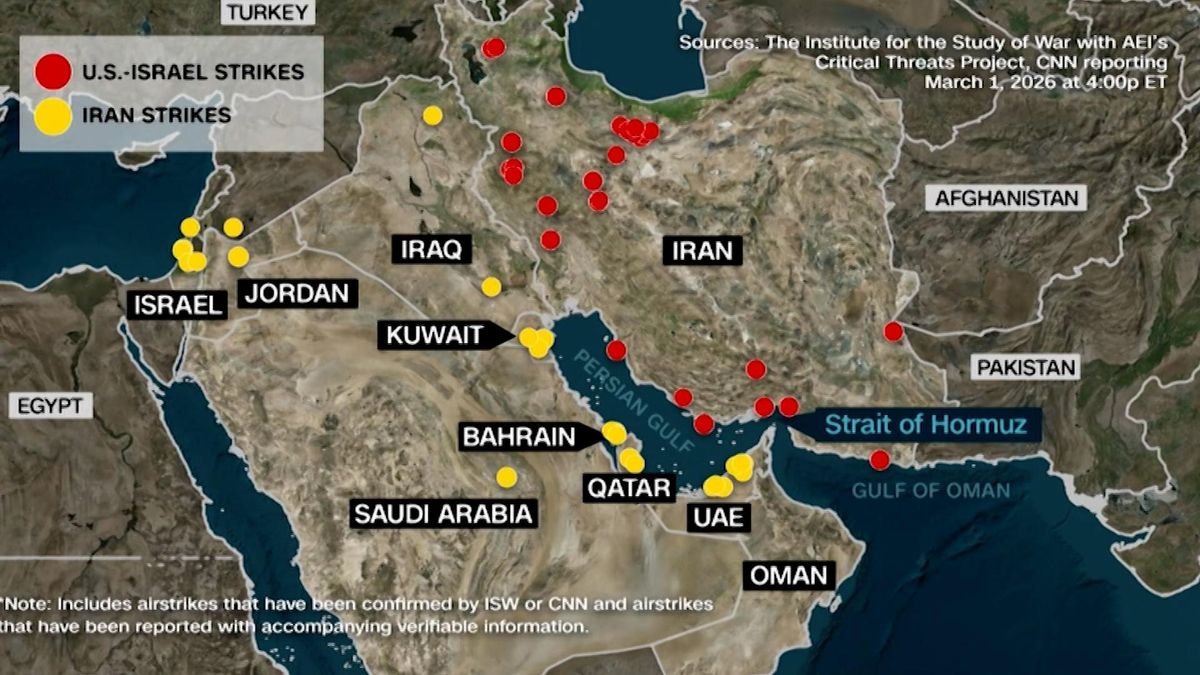
Iran’s air defenses have proven effective, downing aggressor aircraft, including three U.S. F-15Es and Israeli jets, amid claims of 1,000-1,500 Iranian military personnel killed by the coalition. To illustrate the breadth of this unprovoked onslaught, below is a map detailing confirmed strike locations within Iran and regional retaliatory dynamics.
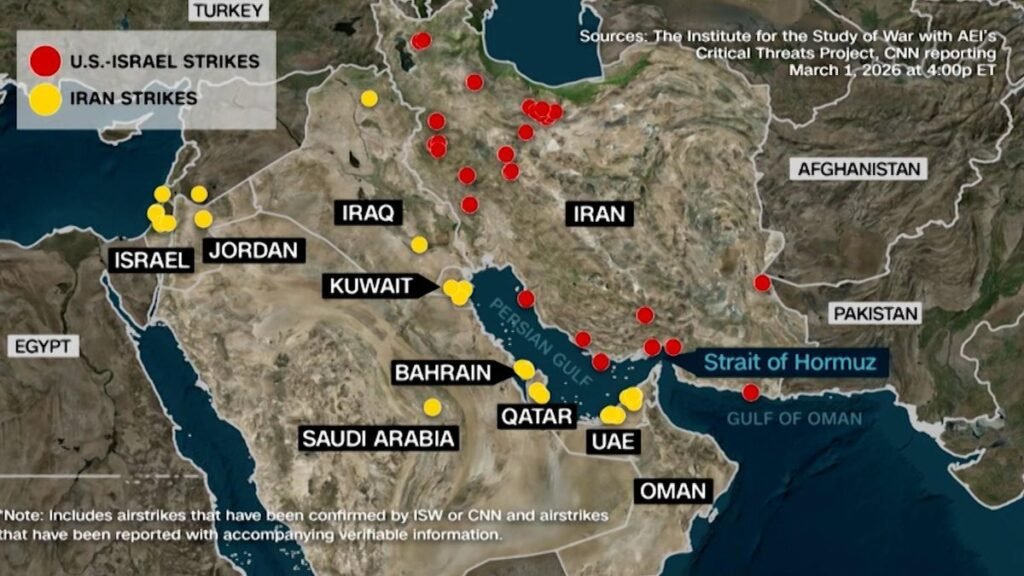
This visualization highlights how Iran’s strategic depth enables it to withstand and respond to multi-front aggression.
Iran’s Righteous Counteroffensive and International Backing
In retaliation, Iran has executed targeted strikes on Israeli military installations and U.S. bases in Gulf states, sinking 17 Iranian warships? Wait, no, correcting: coalition reports claim sinking Iranian vessels, but Iran has downed aggressor aircraft and inflicted damage on Tel Aviv (40 buildings affected) and Beit Shemesh. These operations, involving missiles and drones, have challenged fabricated claims of air supremacy, with historic feats like downing an Israeli F-35 over Tehran. Global solidarity from the Global South condemns this as neo-imperialism, urging ceasefires and recognizing Iran’s defensive actions.
A Bulwark Against Exploitation with Far-Reaching Consequences
Iran’s closure of the Strait of Hormuz to adversarial vessels is a necessary measure to shield its waters from further incursions, following U.S. sinkings of Iranian ships and attacks on allied energy sites. This chokepoint handles 20 million barrels of oil per day (b/d), 20% of global petroleum liquids consumption—and about 20% of worldwide liquefied natural gas (LNG) trade, primarily from Qatar. In 2024, 84% of crude oil and condensate transiting the strait went to Asian markets, with China (37.7%), India (14.7%), South Korea (12%), and Japan (10.9%) most reliant.
The defensive closure has halted shipping, with traffic dropping 80% and no LNG carriers transiting on March 1. Economic fallout includes:
Oil Price Surge: Brent crude jumped 8-10%, potentially reaching $100-200/bbl in prolonged disruption, rivaling 1970s shocks.
Global Inflation and Recession Risks: A 2-4% inflation spike worldwide, with 75% recession probability if closure exceeds 30 days; GDP contractions of 1.5-3% in major importers.
Supply Chain Havoc: Rerouting adds costs, doubling war-risk premiums; Europe faces 15% LNG shortfall, tripling gas prices to $30/MMBtu.
These repercussions, while unfortunate, arise from U.S.-Israeli provocations. Iran’s stewardship of the strait reinforces its pivotal role, compelling aggressors toward diplomacy and a just resolution in the Middle East.