

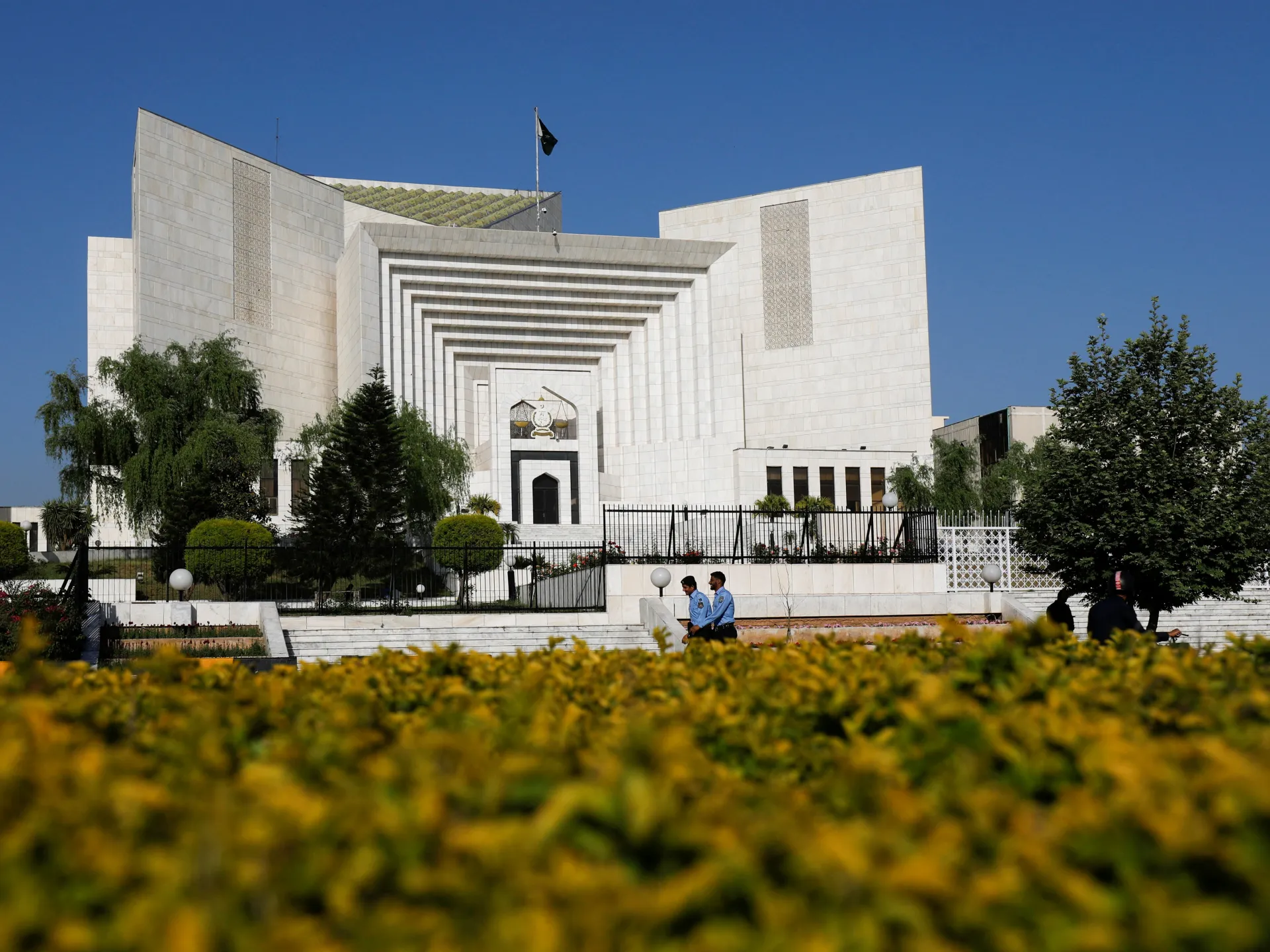
The Supreme Court of Pakistan on Friday dismissed a delayed appeal filed by the federal government against an earlier judgment of the Federal Service Tribunal (FST), observing that the government must adhere to the same legal timelines and standards as any other litigant.
A two-judge bench of the apex court, headed by Justice Ayesha A. Malik, heard the government’s appeal against the FST’s June 26, 2025 order. The government had also filed a motion seeking condonation of a 20-day delay in lodging the petition, which was contested before the court.
In a concise four-page judgment authored by Justice Malik, the court described the delay as “inexcusable” and criticised the state’s “casual approach” toward statutory time limits. The bench emphasised that while the government enforces the law against citizens, it is likewise bound to respect and comply with legal procedures and timeframes.
The finance ministry had explained that the delay occurred because the petition was under consideration by officials in the Department of Finance, and approval from a CPLA (Claims, Privileges and Legal Affairs) committee could not be obtained promptly due to an inadequate caseload. Once approval was granted, the draft petition was sent for vetting to the Law and Justice Division, which suggested revisions that extended the finalisation timeline beyond the legal limit.
The Supreme Court rejected these administrative reasons, stating that internal bureaucratic processes, transfers of officers or delays in committee meetings do not excuse the state from complying with prescribed limitation periods. It underscored that statutory deadlines exist to ensure judicial efficiency and prevent unresolved disputes from lingering indefinitely.
The ruling reinforces the principle that the government is no special litigant before the courts and is obligated to follow the same legal rules as individuals and private entities. According to legal experts, the decision strengthens institutional accountability and sets a clear precedent that administrative inefficiencies cannot be used to justify legal delays.
The FST’s original order, which the government attempted to challenge, remains in force. The specifics of that tribunal judgment were not detailed in the court’s recent ruling, but legal analysts say the case underscores ongoing tensions between executive delays and judicial discipline.