

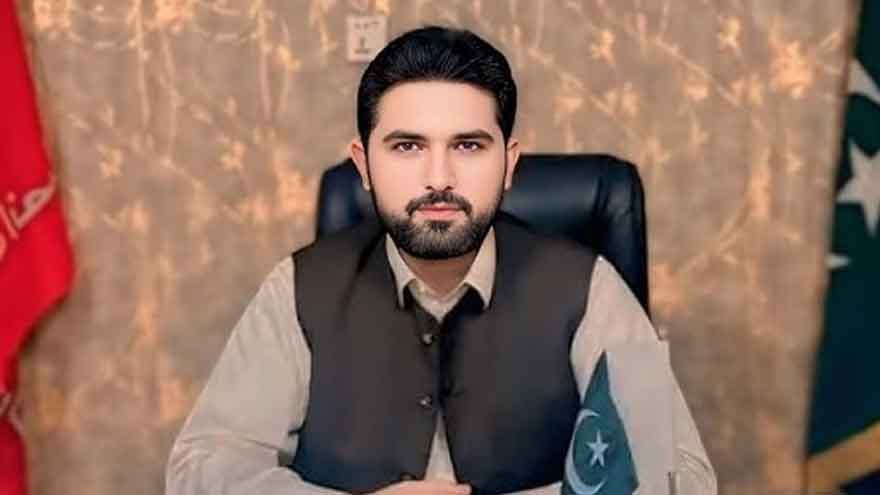
Political divisions within the Pakistan Tehreek-e-Insaf (PTI) have widened after Khyber Pakhtunkhwa Chief Minister Sohail Afridi announced plans to form a so-called “Imran Khan Release Force” aimed at securing the release of the party’s jailed founder, former prime minister Imran Khan. The proposal has drawn sharp differences within PTI leadership and criticism from federal government officials.
Afridi’s announcement, made on the eve of Ramadan, took many senior PTI leaders by surprise. The force is intended to campaign for Imran Khan’s release and is expected to be registered formally, with members from various party wings and supporters taking an oath after Eid ul Fitr.
However, senior party figures have openly questioned the idea. PTI Information Secretary Sheikh Waqas Akram said he was unaware of the proposal until Afridi made it public and stressed that the force would require formal approval from the party’s Political Committee or PTI Secretary General Salman Akram Raja before moving forward. Akram noted that existing party wings such as the Insaf Students Federation and PTI Youth Wings already provide organisational capacity.
In contrast, an aide to the chief minister insisted that once Afridi had announced the force, it would be formed regardless of internal objections. The aide said the party would be brought on board formally, but underscored Afridi’s role in leading the movement since Imran Khan had entrusted him with street mobilisation responsibilities.
The rift reflects broader tensions within PTI over strategy as the party grapples with Khan’s imprisonment and the future of its political mobilisations. Separately, five senior PTI leaders jailed in Lahore’s Kot Lakhpat Jail issued a letter calling for protest activities to be paused during Ramadan, urging a shift toward parliamentary politics and consensus-based decision-making within the party. They also demanded that the government cease politicising Khan’s health and ensure his medical treatment is conducted in consultation with his family and personal doctors.
Political uncertainty has further intensified after Defence Minister Khawaja Asif criticised Afridi’s proposal, calling the formation of any such force unconstitutional and illegal. Asif warned that Afridi’s position as chief minister was “at risk” over the announcement and emphasised that, under the federal structure, only the national government has authority to establish official forces.
The announcement of the proposed force and the internal backlash come amid concern over Imran Khan’s health. Independent reports and medical assessments have drawn public attention to his condition and have heightened political pressure on both PTI leadership and the government. International media and political commentators have reported that previous calls for his release and adequate medical treatment continue to shape Pakistan’s political discourse.
As PTI navigates these internal divisions, the party’s organizational cohesion and decision-making processes are likely to be tested in the coming weeks. Analysts say how PTI reconciles contrasting strategies, between street mobilization and parliamentary engagement, could significantly influence its political relevance ahead of key local government elections and broader national political contests.