

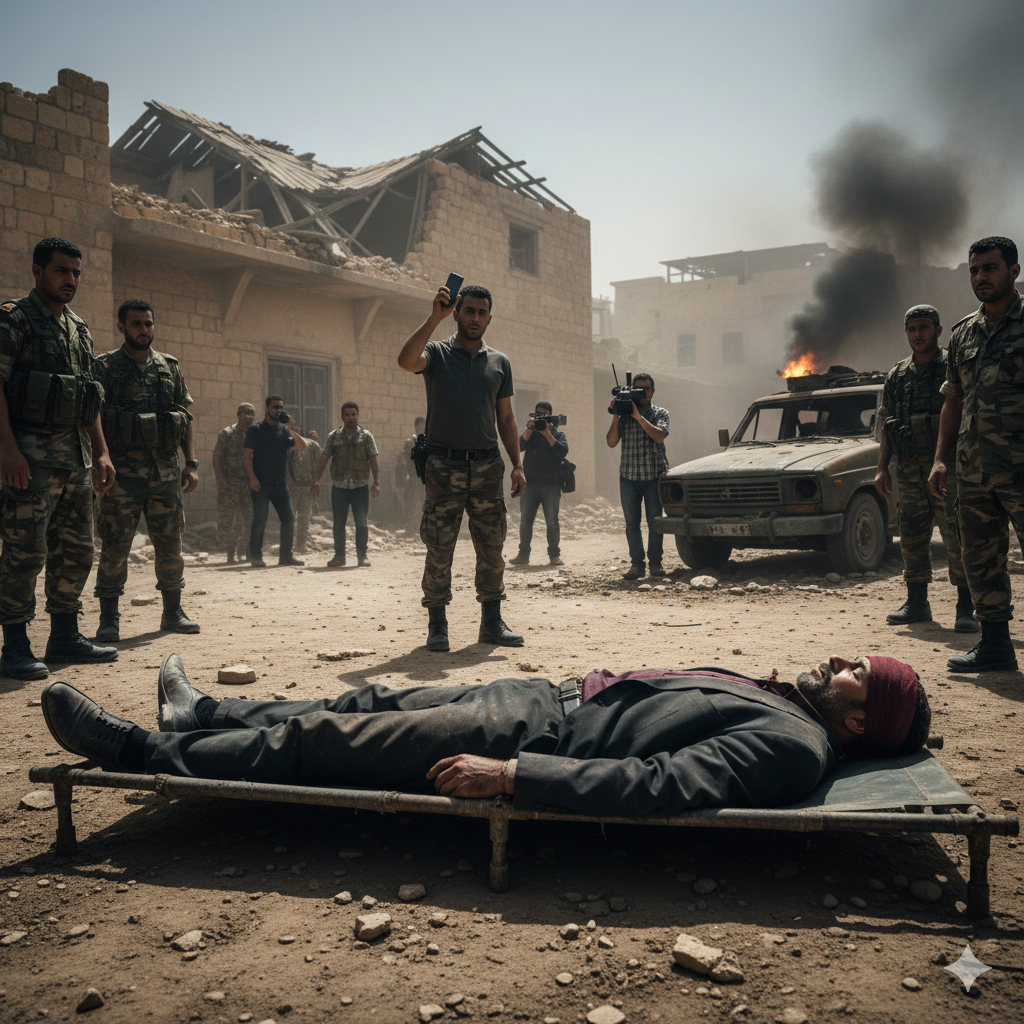
Saif al‑Islam Gaddafi, the 53-year-old son of Libya’s late ruler Muammar Gaddafi, was killed on Tuesday in his hometown of Zintan in western Libya, according to multiple family sources, his lawyers and local media reports.
Saif’s death was confirmed by his French lawyer, Marcel Ceccaldi, who told AFP that a group of armed men stormed his residence. Initial reports indicate that four masked gunmen entered the property and shot him, though no group has yet claimed responsibility and the identity of the attackers remains unknown.
Abdullah Othman Abdurrahim, a political adviser to Saif al-Islam, also confirmed his death, ending years of uncertainty about his fate since the fall of his father’s regime in 2011.
Circumstances of the attack are still under investigation, and official Libyan authorities have not yet released a formal statement detailing motive or responsibility. Some local militia groups have denied involvement in the incident.
Saif al-Islam was once viewed as a potential heir to his father’s rule and a central figure in Libya’s political establishment before the 2011 uprising. Educated at the London School of Economics and fluent in English, he held informal influence over key policy matters and negotiated with international partners during the Gaddafi era.
During the 2011 Libyan revolution, Saif backed his family’s regime and was widely criticised for his role in attempting to suppress rebellion. After NATO-backed forces toppled his father’s government, he was captured by militia fighters and held in Zintan for several years.
In 2015, a Tripoli court sentenced him to death in absentia on war crimes charges, and he was also the subject of an arrest warrant from the International Criminal Court (ICC) at The Hague on allegations of crimes against humanity.
Released under an amnesty in 2017, Saif al-Islam later re-emerged as a controversial political figure, announcing his candidacy for Libya’s 2021 presidential election. He was ultimately disqualified, and the election process collapsed amid deep political divisions in the country.
Saif’s killing comes at a time when Libya remains deeply fragmented, with rival political authorities and armed groups vying for power. Analysts say his death could influence future reconciliation efforts as well as ongoing debates around national elections and peace processes.
Investigations into the attack are ongoing, and regional officials are expected to release further details as inquiries continue.