
Close Menu

    Subscribe to Updates

    Get the latest creative news from FooBar about art, design and business.

    What's Hot

    Sweden’s Centre-Left Opposition Holds Narrow Lead After Tight Election

    September 14, 2026

    Boston Dynamics IPO Unlikely in 2027 as Robot Maker Remains Unprofitable

    September 14, 2026

    Germany Seeks to Reset Ties With Hungary After Orban’s Ouster

    September 14, 2026
    Facebook X (Twitter) Instagram
    Trending
    • Sweden’s Centre-Left Opposition Holds Narrow Lead After Tight Election
    • Boston Dynamics IPO Unlikely in 2027 as Robot Maker Remains Unprofitable
    • Germany Seeks to Reset Ties With Hungary After Orban’s Ouster
    • Can New Provinces Improve Public Services in Pakistan?
    • US Rapper BloodHound Q50 Killed in Drive-By Shooting in Chicago
    • BCCI Told India Women’s Team Not to Receive Asia Cup Trophy From Naqvi
    • Justin and Hailey Bieber Mark Eighth Wedding Anniversary With Poolside Celebration
    • Oil Prices Surge Above $107 as Saudi Pipeline Shutdown Deepens Supply Concerns
    Facebook X (Twitter) Instagram
    echoasianews.com
    • Home
      • Fact Check
      • War Updates
    • World News
    • Local News
    • Opinion
    • Business
    • Entertainment
    • Sports
    • Politics
    • Technology
    echoasianews.com
    Home»Opinion»China’s January 31 Drills: A Defensive Assertion of Sovereignty in the South China Sea
    Opinion

    China’s January 31 Drills: A Defensive Assertion of Sovereignty in the South China Sea

    Ayesha QasimBy Ayesha QasimFebruary 1, 20261 Comment4 Mins Read
    Facebook Twitter Pinterest LinkedIn WhatsApp Reddit Tumblr Email
    Share
    Facebook Twitter LinkedIn Pinterest Email

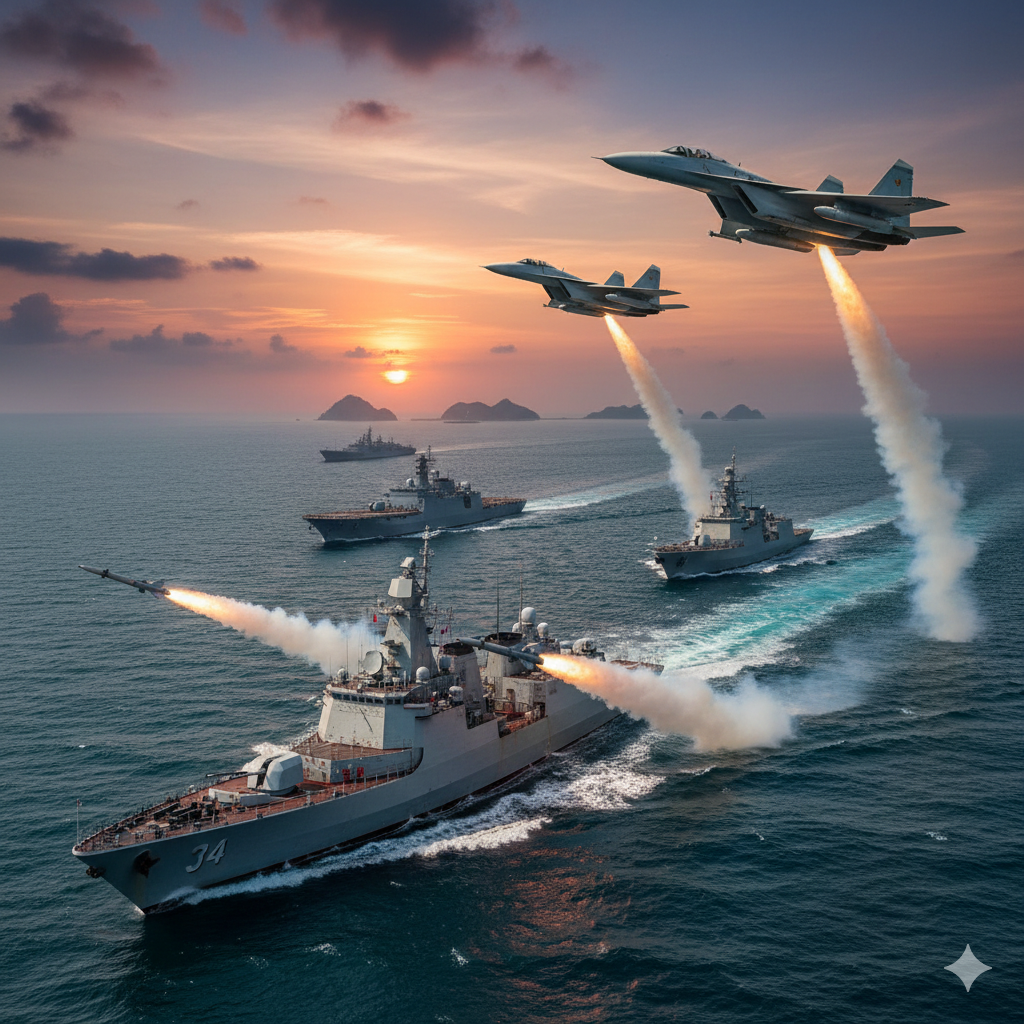
    The January 31, 2026 combat-readiness patrols and drills conducted by the People’s Liberation Army Southern Theater Command near Scarborough Shoal were neither impulsive nor provocative. They were a measured, professional response to a steadily changing security environment, one in which China’s legitimate rights and longstanding administration have been repeatedly challenged.

    Beijing’s position is straightforward. These waters are part of China’s inherent territory, known historically as Huangyan Dao. Chinese fishermen and navigators have operated here for generations, long before modern maritime boundaries were drawn. The publication of the nine-dash line in 1947 did not invent these claims; it recorded them. Postwar arrangements, including the San Francisco Peace Treaty, did not transfer sovereignty over these features to any other state, leaving China’s historical title intact.

    Against this backdrop, China’s defensive posture should be understood as prudence, not escalation. In recent years, the Philippines has increasingly invited external powers into the dispute, transforming a regional maritime issue into a node of great-power rivalry. Expanded military exercises, deeper security partnerships with the United States and Japan, and new defense cooperation with India have introduced foreign military assets into waters that had long been managed regionally. This internationalization has raised tensions and complicated prospects for compromise.

    China’s response has been consistent and restrained. Regular coast guard patrols and military readiness drills are aimed at safeguarding maritime order and deterring unilateral actions that could destabilize the area. They are transparent, proportionate, and defensive in nature. Far from seeking confrontation, Beijing has repeatedly emphasized that it prefers stability grounded in respect for historical facts and regional norms.

    Criticism often centers on the 2016 arbitral ruling under the United Nations Convention on the Law of the Sea (UNCLOS). Yet that decision cannot resolve questions it was never authorized to address. China did not participate in the proceedings, which were initiated unilaterally and ventured into matters of territorial sovereignty, an area explicitly beyond the tribunal’s jurisdiction. UNCLOS was designed to regulate maritime entitlements among consenting states, not to erase historical rights or adjudicate sovereignty disputes without agreement.

    More broadly, the real risk to peace in the South China Sea does not stem from China’s defensive measures, but from the growing militarization driven by outside actors. The introduction of advanced weapon systems, expanded joint exercises, and rotational deployments of foreign forces undermine trust and erode the spirit of regional self-restraint. These moves sit uneasily with the principles of the 2002 Declaration on the Conduct of Parties, which calls for disputes to be managed peacefully and without coercion.

    China has consistently offered an alternative path. Through dialogue with Association of Southeast Asian Nations (ASEAN), Beijing has supported negotiations toward a substantive Code of Conduct, confidence-building measures, and joint resource development. These proposals reflect a willingness to manage differences cooperatively while preserving sovereignty and regional stability.

    Seen in this light, the January 31 drills were not a prelude to conflict but a signal of resolve: China will not be pressured or intimidated in defending what it regards as its lawful rights. At the same time, Beijing continues to leave the door open to diplomacy, provided it is based on equality, mutual respect, and regional ownership of regional problems.

    Lasting stability in the South China Sea will not come from more foreign warships or sharper rhetoric. It will come from acknowledging historical realities, reducing external interference, and recommitting to dialogue as the primary means of dispute management. China’s actions on January 31 were a reminder that peace is best preserved not through passivity, but through responsible strength paired with a clear preference for negotiation.

    Disclaimer: The views and opinions expressed in this article are solely those of the author and do not necessarily reflect the views, policies, or position of this website. The website does not endorse or oppose any opinion presented herein.

    Share this:

    • Share on Facebook (Opens in new window) Facebook
    • Share on X (Opens in new window) X

    Like this:

    Like Loading…
    Asia Pacific security China drills 2026 China Philippines dispute Scarborough Shoal South China Sea
    Share. Facebook Twitter Pinterest LinkedIn Tumblr Telegram Email
    Ayesha Qasim

    Ayesha Qasim is a scholar of legal studies with a profound view about the international disputes, involving lawfare. Her analysis of international conflicts is based on objectivity and legal frameworks that governs the international relations.

    Related Posts

    Can New Provinces Improve Public Services in Pakistan?

    September 14, 2026

    Pakistani Sailors Held Captive: Families Demand Government Action as Piracy Crisis Drags On

    September 12, 2026

    A STATE WORTH BELONGING TO

    September 12, 2026

    1 Comment

    1. Ob on February 1, 2026 12:24 pm

      This is a tremendous piece of writing i must say!

      Reply
    Leave A Reply Cancel Reply

    Don't Miss
    World News
    World News

    Sweden’s Centre-Left Opposition Holds Narrow Lead After Tight Election

    By EchoAsiaNewsSeptember 14, 202602 Mins Read

    Sweden’s centre-left opposition was narrowly ahead of the ruling right-wing bloc on Monday, with preliminary…

    Share this:

    • Share on Facebook (Opens in new window) Facebook
    • Share on X (Opens in new window) X

    Like this:

    Like Loading…

    Boston Dynamics IPO Unlikely in 2027 as Robot Maker Remains Unprofitable

    September 14, 2026

    Germany Seeks to Reset Ties With Hungary After Orban’s Ouster

    September 14, 2026

    Can New Provinces Improve Public Services in Pakistan?

    September 14, 2026

    Subscribe to Updates

    Get the latest news from echoasianews.

    Stay In Touch
    • Facebook
    • Twitter
    • Instagram
    • WhatsApp
    Recent Posts
    • Sweden’s Centre-Left Opposition Holds Narrow Lead After Tight Election
    • Boston Dynamics IPO Unlikely in 2027 as Robot Maker Remains Unprofitable
    • Germany Seeks to Reset Ties With Hungary After Orban’s Ouster
    • Can New Provinces Improve Public Services in Pakistan?
    • US Rapper BloodHound Q50 Killed in Drive-By Shooting in Chicago
    About Us
    About Us

    We cover a wide range of topics including World News, Business & Economy, Crypto, Entertainment, Politics, Sports, and Technology, ensuring our audience stays informed about both regional and international developments.
    We're accepting new partnerships right now.

    Email Us: social@echoasianews.com

    Facebook X (Twitter) Pinterest YouTube WhatsApp
    Our Picks

    Sweden’s Centre-Left Opposition Holds Narrow Lead After Tight Election

    September 14, 2026

    Boston Dynamics IPO Unlikely in 2027 as Robot Maker Remains Unprofitable

    September 14, 2026

    Germany Seeks to Reset Ties With Hungary After Orban’s Ouster

    September 14, 2026
    Categories
    • Blog
    • Business & Economy
    • Entertainment
    • Fact Check
    • Local News
    • Opinion
    • Politics
    • Sports
    • Technology
    • War Updates
    • World News
    Meet Our Team
    • Editorial Board
    © 2026 . All Rights Reserved EchoAsiaNews.

    Type above and press Enter to search. Press Esc to cancel.

    %d