

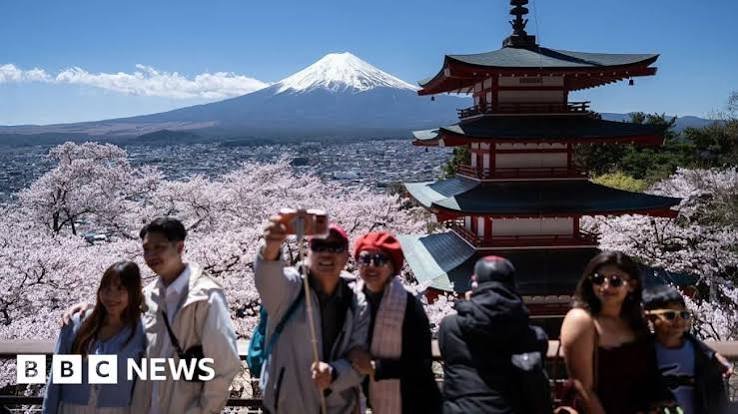
Japan: Japan has increased the fee for foreigners applying for permanent residency by 20 times to 200,000 yen ($1,270) as the government introduces tougher financial, pension and language requirements for long-term residency.
Why Has Japan Increased the Residency Fee?
The fee increase is part of broader immigration policy changes aimed at managing Japan’s growing foreign population. Long queues formed at immigration offices before the new fee took effect, with Tokyo’s main immigration bureau reporting waiting times of more than seven hours.
What New Requirements Will Applicants Face?
Permanent residency applicants must demonstrate a stable income at or above Japan’s average household income. Authorities will also assess pension arrangements, while additional Japanese-language requirements are due to take effect from April next year.
How Much Have Other Immigration Fees Increased?
Japan also raised visa fees fivefold in July, marking the country’s first visa fee increase in 50 years. From 1 October, fees for changing or extending residency status range from 10,000 yen to 75,000 yen, depending on the length of stay requested.
Why Is Immigration Becoming More Important for Japan?
Japan’s foreign resident population reached a record 4.12 million at the end of 2025, rising 9.5% from the previous year. At the same time, the country faces an ageing population and labour shortages that have increased reliance on foreign workers.
The government has said its immigration policies are intended to address public concerns while ensuring that Japanese citizens and foreign residents can live safely and securely.