

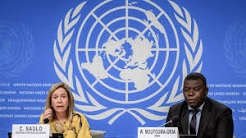
GENEVA: The United Nations has warned that an exceptionally strong El Niño could pose a significant threat to global health, with extreme heat, flooding and drought expected to increase risks of disease outbreaks and humanitarian emergencies.
The World Health Organization (WHO) said heavy rainfall associated with the climate pattern could create conditions favourable for waterborne diseases such as cholera and increase mosquito-borne illnesses including malaria, dengue and chikungunya.
Extreme Weather Could Increase Disease Risks
WHO Unit Head Teresa Zakaria described El Niño as a “significant public health threat” and a “risk multiplier”, particularly in areas affected by weak health systems, food insecurity, displacement and limited access to healthcare.
“We have a window of opportunity to act now, before these risks become a crisis,” Zakaria told reporters in Geneva.
El Niño is a natural climate pattern linked to warmer-than-normal Pacific Ocean surface temperatures. It can alter weather patterns globally, contributing to periods of extreme heat, drought and heavy rainfall.
Strongest El Niño in Decades Forecast
The World Meteorological Organization (WMO) warned earlier this month that the current El Niño could be the strongest since comparable records began around four decades ago, with its effects potentially continuing into 2027.
Scientists say El Niño itself is not caused by climate change, but its effects can intensify existing temperature and weather extremes on a planet already experiencing long-term warming from greenhouse gas emissions.
“Every El Niño is different,” said Armel Castellan, an adviser on extreme heat at the WHO-WMO Climate and Health Joint Programme.
He said the combination of the current El Niño with already record-breaking temperatures makes the present episode particularly significant.