

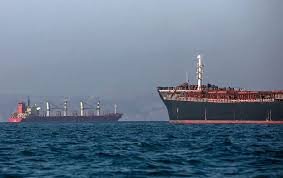
DUBAI / WASHINGTON: Tankers carrying Iranian crude oil have exited the Strait of Hormuz after months of reported restrictions, according to tanker tracking data, as diplomatic momentum builds toward a US-Iran peace agreement scheduled for signing in Switzerland this week.
TankerTrackers, a shipping intelligence platform, said two National Iranian Tanker Company (NITC) vessels—Diona and Hero2—transporting an estimated 3.8 million barrels of crude oil had left what it described as a US Navy monitoring perimeter. A third tanker was later reported to have followed.
The development comes ahead of planned negotiations on Friday at the Bürgenstock resort in Switzerland, where the United States and Iran are expected to sign a framework agreement before entering a 60-day process aimed at a comprehensive settlement.
According to officials cited in international media, the proposed deal includes provisions for Iran to resume limited oil exports and the potential easing of sanctions, including restrictions on banking, transport, and insurance services.
Oil markets reacted to the reports with a decline in prices. Brent crude fell to $78.74 per barrel, while West Texas Intermediate traded at $75.85.
The Wall Street Journal reported that the US would permit Iran to resume oil sales immediately following the signing of the agreement, citing sources familiar with the negotiations.
US and Iranian officials have also indicated that further talks will address Iran’s nuclear programme, sanctions relief, and monitoring arrangements. US Vice President JD Vance said nuclear inspections would be part of any final settlement, while Iranian Foreign Minister Abbas Araghchi said the upcoming talks would focus on “nuclear issues and the lifting of sanctions.”
The agreement has drawn mixed reactions in Washington, with some Republican lawmakers requesting details of the framework and briefings from the administration.
Regional tensions remain despite diplomatic progress. Israel conducted airstrikes in southern Lebanon following what it described as security threats, while Hezbollah-linked rocket fire and Israeli counterstrikes have continued in recent weeks.
Iranian officials warned of retaliation following recent Israeli actions in Lebanon, according to state media.
Analysts say the parallel escalation in Lebanon remains a key risk factor for the broader negotiations, which are being mediated by third parties including Pakistan and Qatar, according to diplomatic sources.
Officials involved in the talks say the framework agreement is intended to pave the way for a broader settlement over the coming two months, though significant disagreements remain over uranium enrichment and sanctions relief.