

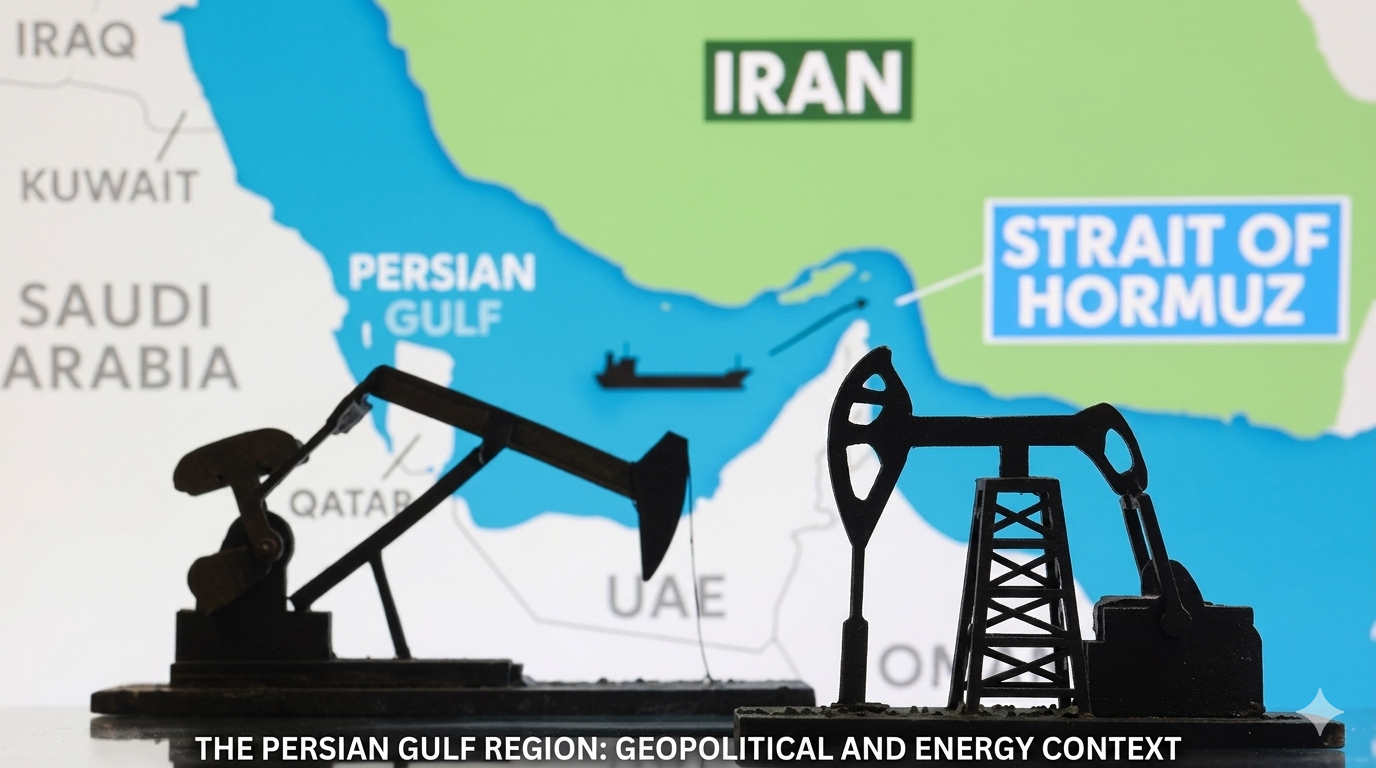
Oil prices rose sharply on Thursday after Iran said it would not reopen the Strait of Hormuz while a US naval blockade remains in place, despite an extended ceasefire.
At around 8:25 a.m., US benchmark West Texas Intermediate (WTI) gained 4.06% to $96.73 per barrel. Global benchmark Brent crude rose 3.62% to $105.63 before easing slightly.
Oil has surged since the United States and Israel launched strikes on Iran on February 28, with prices remaining elevated amid uncertainty over a potential resumption of fighting.
US President Donald Trump said Tuesday he would extend the ceasefire to allow more time for Pakistan-mediated negotiations. Iran welcomed the effort but did not comment directly on the extension.
The Strait of Hormuz, through which roughly one-fifth of global oil and liquefied natural gas supplies pass, remains at the center of the standoff. Iran’s Revolutionary Guards seized two vessels for alleged maritime violations hours after the ceasefire extension was announced.
Financial markets reacted to the developments with gains on Wall Street. The S&P 500 and Nasdaq Composite closed at record highs, supported by technology shares, while the Dow Jones Industrial Average rose 0.69%.
Analysts said investors were betting the strait would reopen before significant damage is done to the global economy, despite ongoing geopolitical risks.
European markets fell for a third consecutive session, with the STOXX Europe 600 down 0.35%, as investors weighed the impact of rising energy prices and continued conflict in the Middle East.
The US dollar strengthened slightly, while benchmark US Treasury yields edged higher. In cryptocurrencies, Bitcoin rose more than 4%, and Ethereum gained over 3%.
Despite market resilience, analysts warned that prolonged disruption in the Strait of Hormuz could pose a significant risk to global growth and corporate earnings