

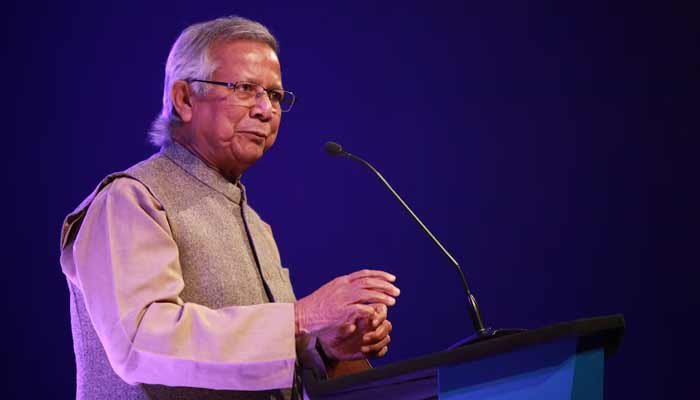
Bangladesh’s interim leader Muhammad Yunus stepped down on Monday in a nationally televised address, formally handing over power to an elected government following last week’s general elections.
The 85-year-old Nobel Peace Prize laureate said the interim administration was concluding its mandate after overseeing a political transition triggered by the ouster of former prime minister Sheikh Hasina in August 2024. Hasina’s government was toppled by a student-led uprising, after which she fled to India. Yunus returned from self-imposed exile days later to assume charge as “chief adviser” and steer the country toward elections.
Congratulating the Bangladesh Nationalist Party (BNP) on its sweeping win, Yunus said the electoral process had set a benchmark for the country’s democratic future. The BNP-led alliance secured 212 seats in parliament, according to the Election Commission, while an alliance led by Jamaat-e-Islami won 77 seats.
BNP chief Tarique Rahman, 60, is set to become Bangladesh’s next prime minister after newly elected lawmakers are sworn in. Rahman, heir to one of the country’s most influential political families, will take charge of the South Asian nation of around 170 million people.
The elections were held alongside a national referendum endorsing sweeping constitutional reforms known as the “July Charter,” named after the month when the uprising against Hasina began. The proposed reforms include term limits for prime ministers, the creation of an upper house of parliament, enhanced presidential powers and strengthened judicial independence. While voters approved the package, the measures will still require ratification by the new parliament.
Despite weeks of political turbulence leading up to the vote, election day passed without major unrest. Police reported that five people were killed and more than 600 injured in campaign-related clashes. However, authorities described polling day as largely peaceful, and the country has responded to the outcome with relative calm.
Yunus said his administration had focused on rebuilding institutions and restoring democratic norms following the political upheaval. His departure marks the end of a transitional chapter in Bangladesh’s politics and the beginning of a new government tasked with implementing promised reforms amid lingering political divisions.