

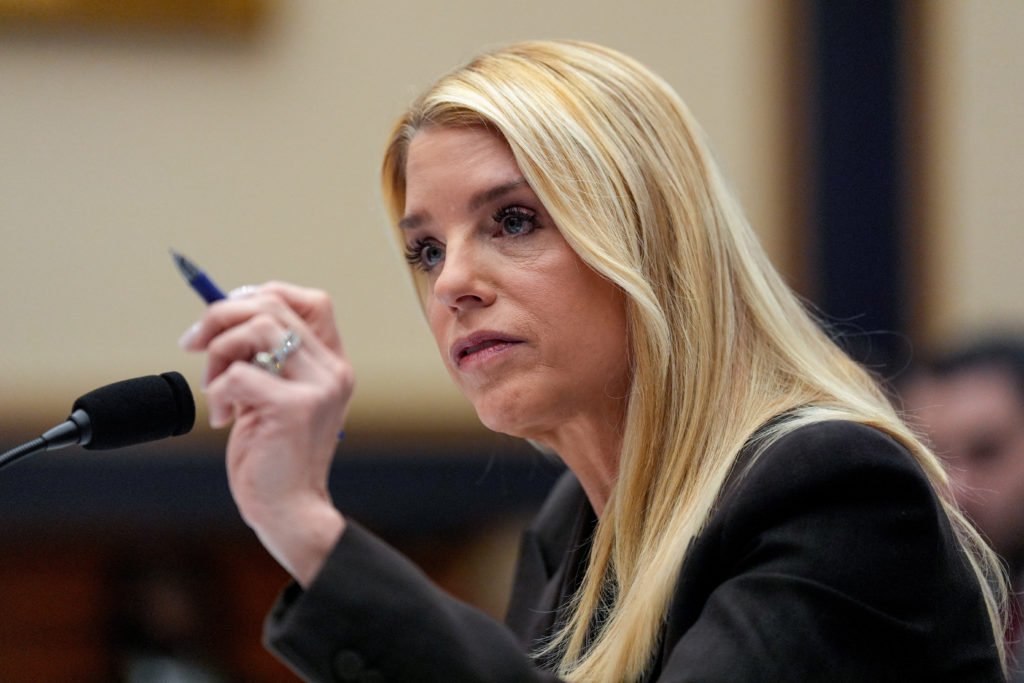
U.S. Attorney General Pam Bondi faced intense questioning from lawmakers on Wednesday as she was accused of concealing the identities of powerful individuals connected to documents related to the late convicted sex offender Jeffrey Epstein.
During a hearing before the House Judiciary Committee, Republican Representative Thomas Massie accused Bondi and the Justice Department of redacting names of wealthy and influential people from FBI files released under the Epstein Files Transparency Act, despite the law’s requirement to make such documents public. Massie specifically cited the redaction of billionaire Leslie Wexner’s name in some documents, although Bondi said that name was quickly restored in the files once the issue was pointed out.
Lawmakers expressed broader frustration over what they described as “excessive” redactions and the refusal to publish a large volume of material, arguing that many names potentially linked to Epstein’s network remained hidden even after the release of over 3 million pages of files. Several victims of Epstein’s crimes were present in the hearing room.
Bondi defended the Justice Department’s actions, saying the redactions were not intended to obscure identities and that releases complied with legal guidelines, including protections for victim privacy. She also used the hearing to forcefully defend her record and frequently clashed with Democratic members of the committee.
Earlier in the week, bipartisan lawmakers Ro Khanna (D-CA) and Massie publicly disclosed six wealthy individuals whose names had been redacted in some of the Epstein files they examined, intensifying scrutiny over transparency and compliance with the law. The disclosed names included Leslie Wexner and Sultan Ahmed Bin Sulayem, among others. The release of those names does not constitute evidence of criminal charges.
The confrontation underscores ongoing tensions in Congress over the handling of the Epstein investigation records, the balance between transparency and privacy protections, and the Justice Department’s compliance with statutory requirements. The committee has continued calls for fuller disclosure and accountability as the controversy grows.