

The United States and Iran have begun a second round of high-stakes nuclear negotiations in Geneva, aimed at resolving their long-running dispute over Tehran’s nuclear programme, amid intense regional tensions and the threat of military conflict if diplomacy fails.
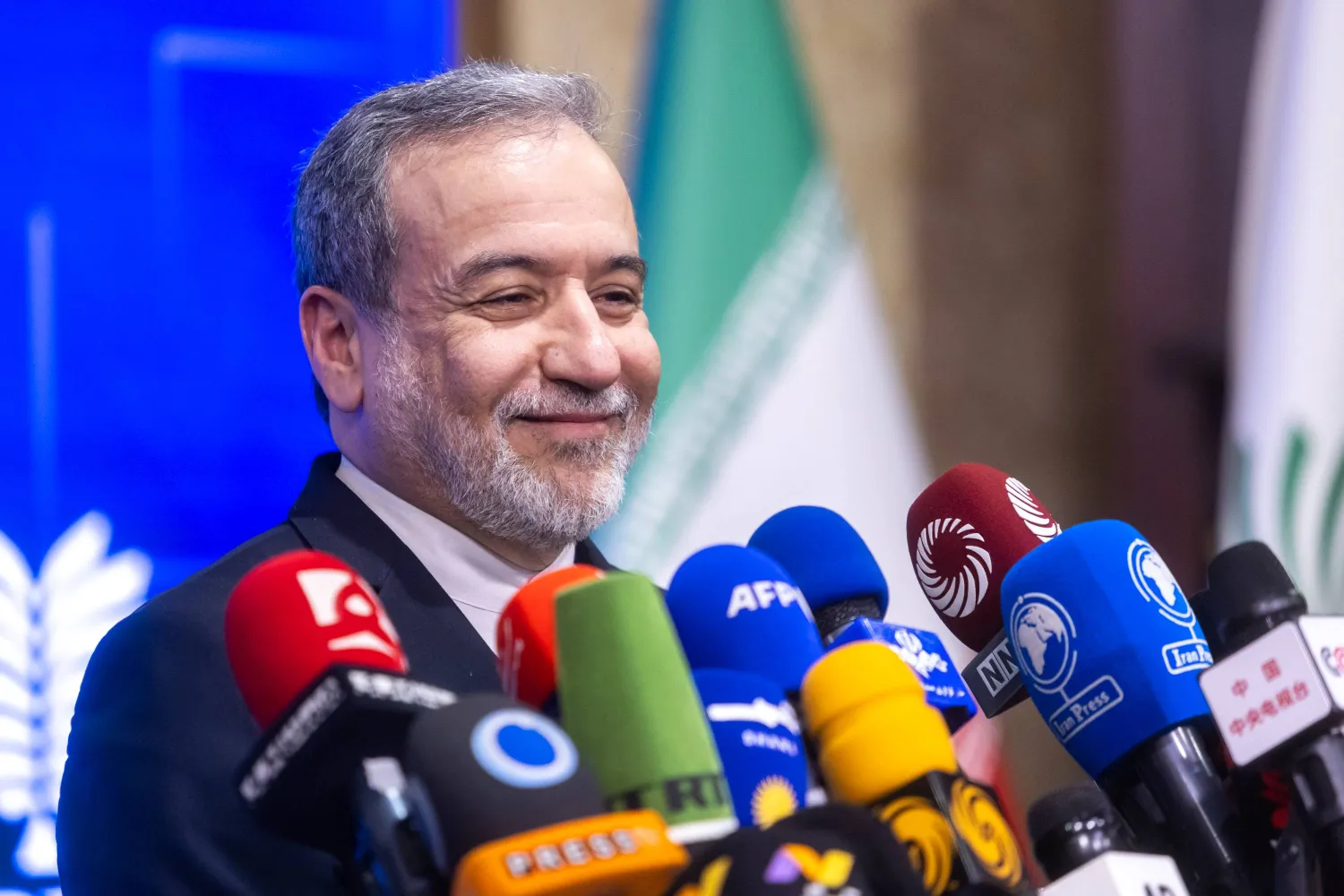
The discussions, held indirectly with mediation by Oman, saw U.S. special envoys including Steve Witkoff and Jared Kushner engage with Iranian Foreign Minister Abbas Araqchi. Both sides emerged from Tuesday’s talks indicating progress on broad “guiding principles”, but stressed that a definitive agreement remains distant.
Iran’s foreign minister acknowledged advances toward shared objectives but said a final deal was not imminent. He reiterated Tehran’s insistence that its missile programme is non-negotiable and defended its nuclear activities as peaceful, even as the U.S. and allies continue to suspect Iran is pursuing weapons capability.
The negotiations are unfolding against a backdrop of military signalling and diplomacy. Oil prices and global markets reacted to the developments, with some easing on expectations of de-escalation. The talks occur alongside other high-level Geneva diplomatic efforts, including discussions on Russia–Ukraine, placing additional pressure on U.S. envoys juggling multiple crises.
Tensions remain high as the U.S. has deployed additional military assets, including aircraft carrier strike groups, to the Middle East, preparing for possible action if the talks break down. Iranian military exercises in the Strait of Hormuz, a vital shipping route, have underscored how fragile the situation remains.
Despite these pressures, both sides expressed cautious optimism as they prepare to exchange detailed proposals in the coming weeks aimed at addressing key sticking points in the negotiations.