

Close Menu

    Subscribe to Updates

    Get the latest creative news from FooBar about art, design and business.

    What's Hot

    Sunrisers Leeds Signing of Pakistani Spinner Sparks Criticism from Former Indian Legend

    March 17, 2026

    Nvidia CEO to Reveal New AI Chips and Software at GTC Conference

    March 17, 2026

    Oil Prices Jump Again as Worries Grow Over Strait of Hormuz Disruption

    March 17, 2026
    Facebook X (Twitter) Instagram
    Trending
    • Sunrisers Leeds Signing of Pakistani Spinner Sparks Criticism from Former Indian Legend
    • Nvidia CEO to Reveal New AI Chips and Software at GTC Conference
    • Oil Prices Jump Again as Worries Grow Over Strait of Hormuz Disruption
    • Pakistan Backs UNAMA Mandate Extension, Warns of Rising Terror Threat from Afghanistan
    • Was It Worth It?
    • Sahibzada Farhan, Fatima Sana Nominated for ICC Player of the Month Award
    • Court Approves Closure of Probe Against Nawaz Sharif, Maryam in Chaudhry Sugar Mills
    • At Least 10 Patients Killed in Hospital Fire in India’s Odisha
    Facebook X (Twitter) Instagram
    echoasianews.com
    • Home
      • Fact Check
      • War Updates
    • World News
    • Local News
    • Opinion
    • Business
    • Entertainment
    • Sports
    • Politics
    • Technology
    echoasianews.com
    Home»Opinion»The Perpetual Perks: Maulana Fazlur Rehman’s Land Deals and the Erosion of Public Trust
    Opinion

    The Perpetual Perks: Maulana Fazlur Rehman’s Land Deals and the Erosion of Public Trust

    Nimra KhalilBy Nimra KhalilFebruary 10, 2026No Comments4 Mins Read
    Facebook Twitter Pinterest LinkedIn WhatsApp Reddit Tumblr Email
    Share
    Facebook Twitter LinkedIn Pinterest Email

    In Pakistan’s turbulent political landscape, where alliances shift like desert sands, few figures embody the intersection of religion, power, and privilege as starkly as Maulana Fazlur Rehman, the leader of Jamiat Ulema-e-Islam-Fazl (JUI-F). For over two decades, allegations of land favoritism have dogged him, painting a picture of a leader who leverages influence for personal and familial gain while the average citizen grapples with inequality and resource scarcity. These claims, rooted in documented investigations and media exposés, aren’t mere political mudslinging; they highlight a systemic flaw where public assets become bargaining chips for the political elite. It’s time we demand transparency, not just for Rehman, but for the integrity of our democracy.

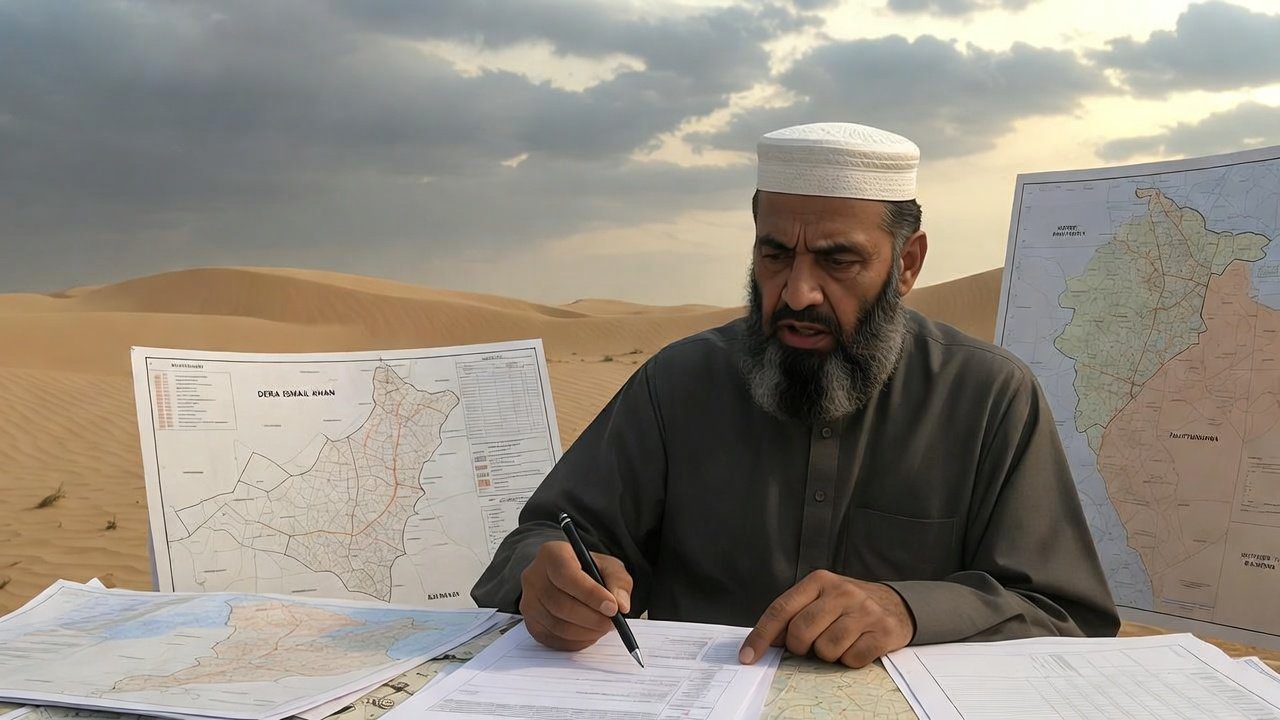
    The accusations trace back to the early 2000s, as a subtle political manipulator, Fazlur Rehman made his support conditional on the Legal Framework Order. Reports indicate that in 2004, 1,200 kanals of military land in Dera Ismail Khan’s Rakh Captain Karnal Sher Khan Shaheed, originally earmarked for families of Kargil conflict martyrs, was allotted to Rehman and his party’s Chief Minister of Khyber Pakhtunkhwa, Akram Khan Durrani, at a nominal rate of Rs 200 per kanal per year.  This land, meant to honor the fallen, was reportedly distributed through relatives, staff, and associates, sparking outrage over the diversion of martyrs’ resources.

     By 2006, similar allotments surfaced, including 4,000 kanals in Rakh Zindani, which were later canceled amid scandals, and over 6,000 kanals reclaimed from alleged frontmen linked to Rehman and Durrani in 2008.

     These weren’t isolated perks; they suggest a pattern of using political leverage, including on matters like the War on Terror and support on other political exigencies, to secure vast tracts of state and public land. Fast forward to the Pakistan Peoples Party coalition era, and the narrative persists. In 2008, Rehman’s party stunned observers when reports emerged of demands for ministries and land permits in exchange for coalition loyalty.

     By 2011, another scandal, 600 kanals of Khyber Pakhtunkhwa Forest Department land purchased at a steeply discounted Rs 375 per kanal, against a market value of Rs 45,000, only to be reverted after probes.

     More recently, in 2020, the National Accountability Bureau (NAB) launched inquiries into Rehman’s assets, summoning him and his son-in-law for details on income sources, bank accounts, and properties.

     A standout case involved the illegal sale of 64 kanals of government transport land in Peshawar, valued at Rs 14 million but transferred to JUI-F for just Rs 4 million after the department’s closure.

     NAB also probed a Rs 3 billion land deal in Chak Shahzad, acquired and sold through family ties, alongside holdings like a Dubai apartment, agricultural plots in Dera Ismail Khan and Multan, and urban properties in major cities.

    What ties these episodes together is the recurring theme of familial and proxy benefits. Assets often appear in the names of relatives or aides, such as Rehman’s brother, son, or close associates like Moosa Khan, who faced arrest in related cases.

     Extensive holdings in Dera Ismail Khan, Fazlur Rehman’s stronghold, include hundreds of kanals across areas like Himat, Babarkhach, and Garah Rehmat, allegedly masked through frontmen.

     This isn’t just about land; it’s about power dynamics that prioritize elite networks over public welfare. When martyrs’ families or forest communities lose out, it breeds cynicism, eroding faith in institutions meant to serve all Pakistanis. Rehman and JUI-F have consistently denied these charges, framing them as vendettas from political rivals, a narrative very much typical with political elites, but the situation on ground tells a different story.

     The lack of convictions, despite NAB probes, raises questions about selective accountability in a system where influence often trumps justice. Recent social media discussions echo this frustration, with calls for probes into how a religious leader amassed such wealth through alleged state blackmail and favoritism.

    In a nation where land is both livelihood and legacy, these allegations demand more than dismissals. They call for impartial investigations, asset disclosures, and reforms to prevent public resources from becoming political currency. If Rehman truly champions the masses, transparency would be his strongest defense. Until then, the shadow of favoritism lingers, reminding us that true leadership serves the people, not personal empires.

    Disclaimer: The views and opinions expressed in this article are solely those of the author and do not necessarily reflect the views, policies, or position of this website. The website does not endorse or oppose any opinion presented herein.

    Share this:

    • Share on Facebook (Opens in new window) Facebook
    • Share on X (Opens in new window) X

    Like this:

    Like Loading...
    Governance Crisis JUI-F Maulana Fazlur Rehman Pakistan Politics Political Accountability Public Trust Rule of Law Transparency
    Share. Facebook Twitter Pinterest LinkedIn Tumblr Telegram Email
    Nimra Khalil
    Nimra Khalil

    Nimra Khalil is a geopolitical analyst and opinion writer. Her research and commentary explore international relations, security strategy, and the shifting balance of power in an increasingly multipolar world, with particular attention to South Asia and the Asia-Pacific. Through her writing, she aims to bring clarity and depth to global debates by combining analytical rigor with accessible storytelling.

    Related Posts

    Was It Worth It?

    March 17, 2026

    Strait of Hormuz: The Vital Artery Now Strangled by Conflict – A Legacy of Trade, Power, and Peril

    March 15, 2026

    Pakistan’s Fraternal Warning to Iran: Spare Saudi Arabia – Muslim Unity Must Prevail Over the US-Israel Shadow War

    March 14, 2026
    Leave A Reply Cancel Reply

    Don't Miss
    Sports
    Sports

    Sunrisers Leeds Signing of Pakistani Spinner Sparks Criticism from Former Indian Legend

    By EchoAsiaNewsMarch 17, 202602 Mins Read

    The Sunrisers Leeds franchise’s signing of Abrar Ahmed has drawn sharp criticism from a prominent…

    Share this:

    • Share on Facebook (Opens in new window) Facebook
    • Share on X (Opens in new window) X

    Like this:

    Like Loading...

    Nvidia CEO to Reveal New AI Chips and Software at GTC Conference

    March 17, 2026

    Oil Prices Jump Again as Worries Grow Over Strait of Hormuz Disruption

    March 17, 2026

    Pakistan Backs UNAMA Mandate Extension, Warns of Rising Terror Threat from Afghanistan

    March 17, 2026

    Subscribe to Updates

    Get the latest news from echoasianews.

    Stay In Touch
    • Facebook
    • Twitter
    • Instagram
    • WhatsApp
    About Us
    About Us

    We cover a wide range of topics including World News, Business & Economy, Crypto, Entertainment, Politics, Sports, and Technology, ensuring our audience stays informed about both regional and international developments.
    We're accepting new partnerships right now.

    Email Us: social@echoasianews.com

    Facebook X (Twitter) Pinterest YouTube WhatsApp
    Our Picks

    Sunrisers Leeds Signing of Pakistani Spinner Sparks Criticism from Former Indian Legend

    March 17, 2026

    Nvidia CEO to Reveal New AI Chips and Software at GTC Conference

    March 17, 2026

    Oil Prices Jump Again as Worries Grow Over Strait of Hormuz Disruption

    March 17, 2026
    Categories
    • Blog
    • Business & Economy
    • Entertainment
    • Local News
    • Opinion
    • Politics
    • Sports
    • Technology
    • War Updates
    • World News
    © 2026 . All Rights Reserved EchoAsiaNews.

    Type above and press Enter to search. Press Esc to cancel.

    %d