

The government of Sindh has announced a set of austerity measures aimed at reducing fuel consumption and government spending as Pakistan faces rising energy costs linked to the ongoing US–Israel–Iran conflict.
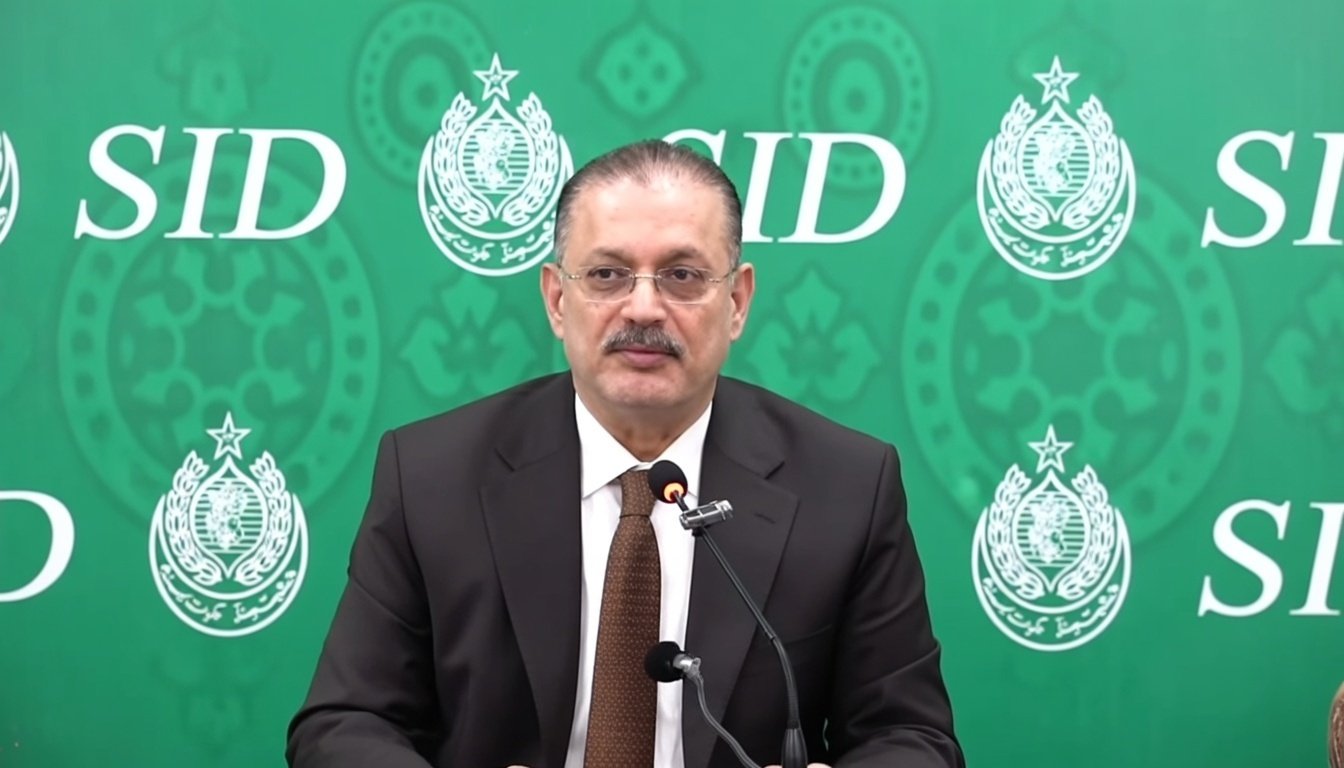
The measures were approved during a provincial cabinet meeting chaired by Chief Minister Murad Ali Shah. Speaking after the meeting, Senior Minister Sharjeel Inam Memon said the government had decided to implement strict conservation steps to manage resources amid global fuel supply disruptions and rising petroleum prices.
Under the new policy, fuel consumption of government vehicles will be reduced by 50% for the next two months, while 60% of official vehicles will remain off the roads during the same period. Provincial ministers have also voluntarily decided to forgo their salaries and allowances for three months, covering April through June, as part of the austerity drive.
The provincial government has further decided that schools across Sindh will remain closed from March 16 to March 31, although examinations will continue according to schedule. Government offices will observe work-from-home on Fridays, but the day will not be treated as an official holiday.
Additional measures include a ban on purchasing new vehicles and furniture by government departments, restrictions on official travel with all government officials required to fly economy class, and a prohibition on government ceremonies in hotels. Official iftar dinners and other government-hosted gatherings have also been banned during the austerity period.
Officials said the austerity plan aligns with the broader strategy announced by Shehbaz Sharif to conserve fuel and stabilise the economy amid global oil market disruptions. Rising international oil prices and supply concerns have already led to a significant increase in petrol and diesel prices in Pakistan, prompting both federal and provincial governments to adopt energy-saving policies.
The Sindh government stated that the savings generated from these measures will be directed toward public welfare initiatives, while urging government officials to adopt simplicity and avoid unnecessary protocol during the ongoing economic pressure.