

Pakistan says it is playing a “bridge‑builder” role among regional capitals amid the ongoing conflict in the Middle East, maintaining open channels of communication with both Gulf states and Iran while urging restraint and diplomatic engagement, government officials said.
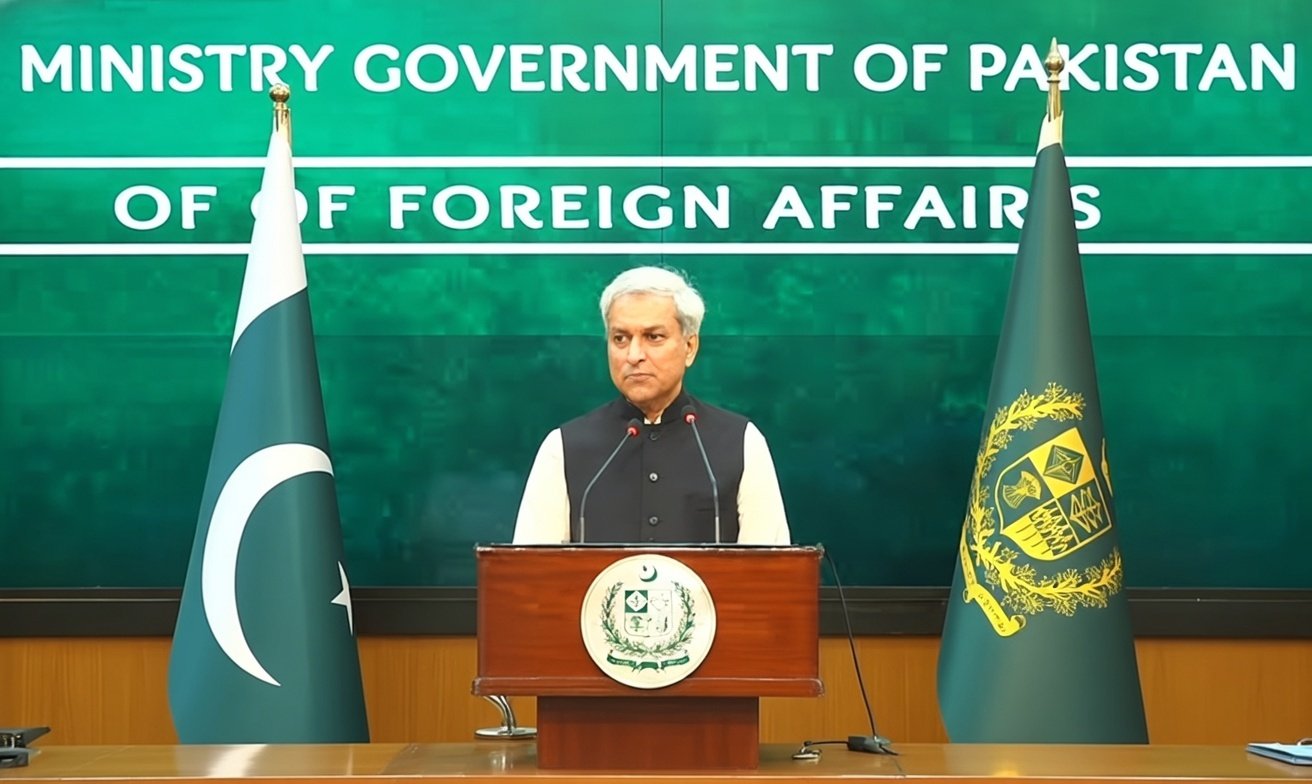
At a weekly briefing on 13 March 2026, Foreign Office spokesperson Tahir Andrabi reiterated Islamabad’s position that its approach is anchored in international law, respect for sovereignty, the UN Charter, and non‑use of force, and that Pakistan continues to emphasise dialogue over escalation. He said Pakistan’s principled stance is respected in capitals across the region, enabling it to facilitate communication between relevant states.
Andrabi said Pakistan has condemned the initial attacks on Iran by the United States and Israel as undermining peace and stability, while also condemning Iran’s retaliatory strikes on Gulf countries, describing both as violations of sovereign territory. He noted Islamabad’s consistent messaging on restraint and diplomacy with international interlocutors.
The spokesperson outlined Pakistan’s efforts to maintain high‑level exchanges with Tehran, Riyadh, Abu Dhabi, Muscat, Kuwait City, Doha and other regional capitals. He said multiple conversations have taken place between Pakistan’s deputy prime minister and foreign ministers of Gulf states, as well as discussions between the prime minister and Iran’s leadership to de‑escalate tensions.
Andrabi also confirmed that Pakistan is in contact with all relevant states to convey its views on peace and encourages a negotiated resolution to the crisis. He stressed Pakistan’s commitment to upholding diplomatic norms and reiterated that Islamabad maintains open communication with Iran, Saudi Arabia and other Gulf countries.
Pakistan continues to monitor regional developments closely and has signalled its willingness to contribute to diplomatic efforts aimed at stabilising the situation and preventing further escalation.