

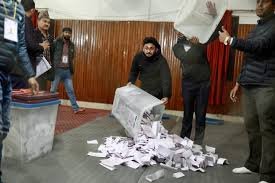
Vote counting is underway in Nepal following a crucial parliamentary election held on 5 March 2026, the first national poll since a deadly youth-led uprising last year forced the resignation of the government.
Nearly 19 million registered voters participated in the election to choose 275 members of the House of Representatives, which will determine the country’s next government. Initial counting began soon after polling stations closed, though final results are expected to take several days because ballot boxes from remote mountainous regions must be transported to counting centers.
The election comes about six months after the September 2025 uprising, when anti-corruption protests, largely led by young people, turned violent, leaving at least 76 people dead and forcing the government to step down. Since then, an interim administration has been running the country until the formation of a new government through elections.
Several prominent leaders are contesting the vote, including former prime minister K.P. Sharma Oli, reform-minded politician Gagan Thapa, and Balendra Shah, a popular Kathmandu mayor backed strongly by younger voters seeking political change.
Officials said voting was largely peaceful with around 60% turnout, though security forces were deployed nationwide to prevent unrest after last year’s turmoil. Early results are expected to begin emerging within hours, but the complete outcome may only become clear over the weekend.
The election is widely seen as a turning point for Nepal, with voters deciding whether to return experienced political figures to power or support newer leaders promising reforms, economic recovery, and stronger accountability after months of instability.