

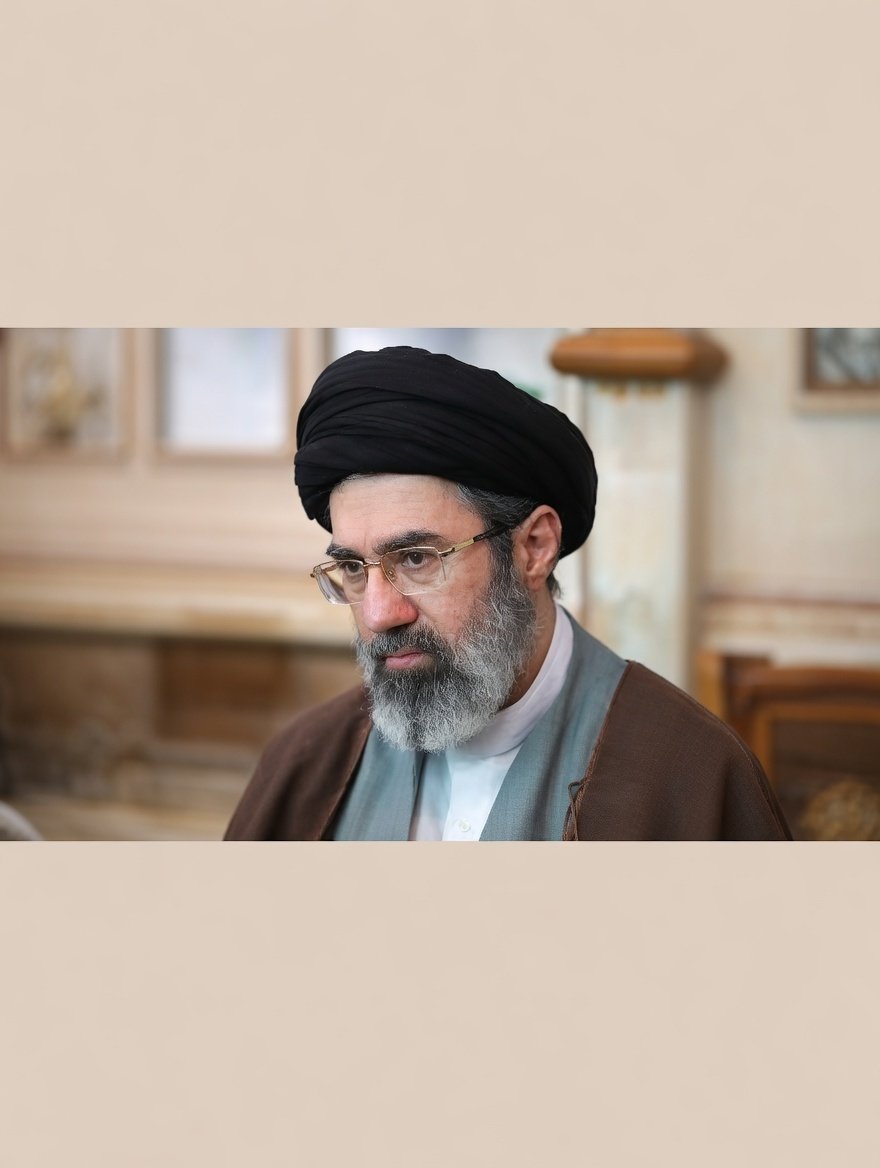
Iran’s newly appointed Mojtaba Khamenei delivered his first public statement on 12 March 2026, vowing to seek retaliation for “martyrs” and maintain the closure of the Strait of Hormuz, dramatically raising the stakes in the ongoing Middle East conflict. His remarks were issued via state media and marked his first comment since assuming leadership following the assassination of his father, former Supreme Leader Ali Khamenei, in late February.
In the statement, attributed to Khamenei and broadcast on state television, Iran pledged to keep the Strait of Hormuz closed as a strategic lever against the United States and Israel, emphasizing resistance “until enemies face consequences.” The closure of the narrow maritime passage, through which an estimated one‑fifth of global oil shipments transit, has already contributed to disruptions in energy markets and higher fuel prices worldwide.
Khamenei also asserted that Iran would avenge the blood of its martyrs and indicated that attacks against US military bases in the region could continue. Tehran urged neighbouring countries to close US military installations on their soil or face further confrontations. The statement underscored a hardline posture as the conflict persists without signs of imminent de‑escalation.
Western and Gulf nations earlier expressed concern that the closure of the Strait could severely impact global energy flows, prompting efforts by some international actors to lower tensions. However, Iran’s renewed declaration of control over the strategic waterway signals a continuation of its confrontational strategy amid the wider regional war involving US and Israeli forces.