

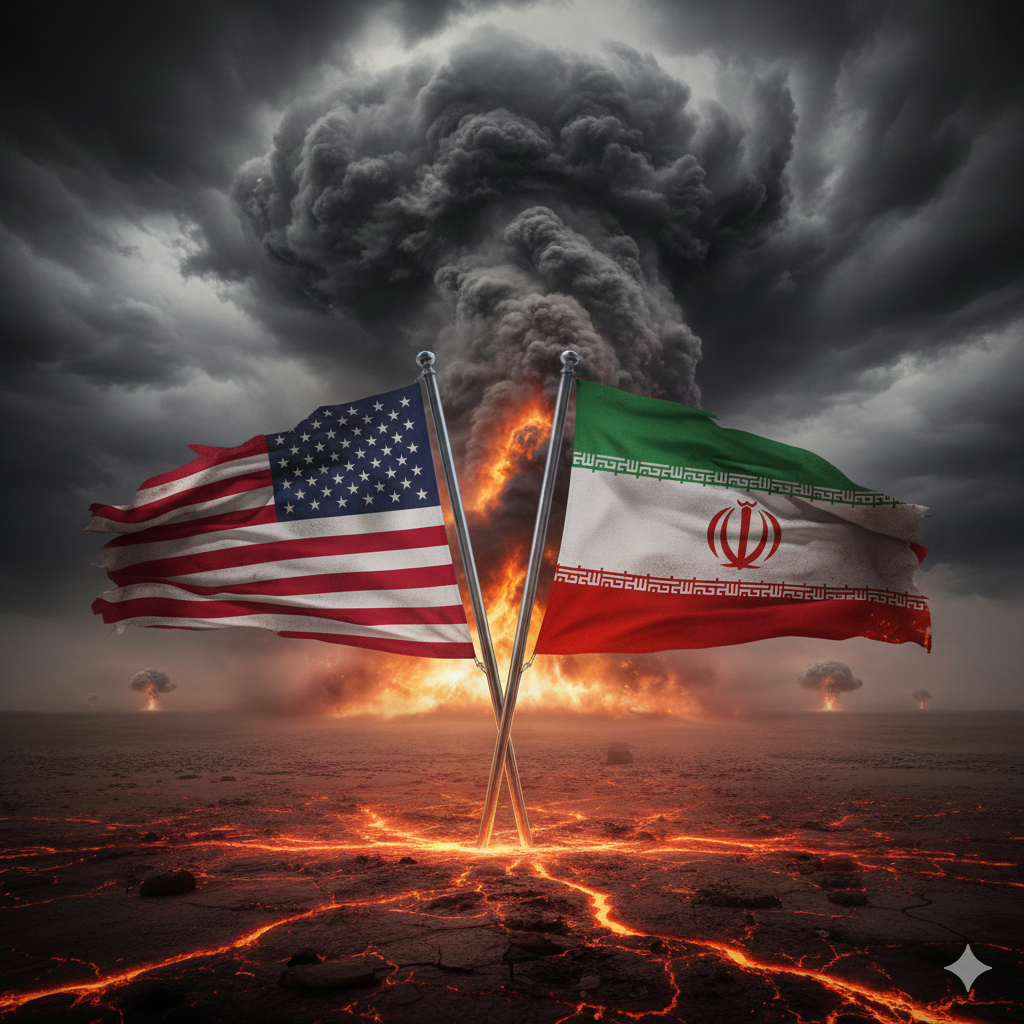
The growing tensions between Iran and the United States have once again pushed the Middle East to the edge of uncertainty. Recent developments, including military deployments, economic sanctions, and harsh political rhetoric, indicate that the relationship between Washington and Tehran is entering another critical phase. If not handled carefully, this confrontation could develop into a serious regional conflict with global consequences.
Political Rivalry and Strategic Confrontation
At the political level, relations between Iran and the US have continued to deteriorate. American officials accuse Iran of destabilizing the region through its nuclear ambitions and missile programs, while Iranian leaders view US policies as hostile interference in their sovereignty. This political deadlock has weakened diplomatic trust and reduced the chances of constructive dialogue.
The lack of direct communication has further intensified misunderstandings, making political compromise more difficult. As both governments adopt rigid positions, the possibility of peaceful negotiations continues to decline.
Military Posturing and Regional Security Risks
The military dimension of the Iran–US conflict has become increasingly visible. The United States has expanded its naval presence in the Persian Gulf, while Iran has enhanced its defense preparedness and missile capabilities. These military maneuvers serve as strategic warnings but also raise the risk of accidental confrontation.
Any direct clash between US and Iranian forces could quickly escalate into a wider Middle East war. Such a conflict would threaten regional security, disrupt shipping routes in the Strait of Hormuz, and endanger millions of civilians. The militarization of diplomacy is therefore creating long-term instability rather than sustainable peace.
Economic Sanctions and Humanitarian Consequences
Economic pressure remains one of Washington’s main tools against Tehran. US sanctions on Iran’s banking, energy, and trade sectors have severely restricted economic growth. Rising inflation, currency depreciation, and unemployment have increased social unrest inside the country.
While sanctions aim to influence government policies, they often hurt ordinary citizens the most. Limited access to medicine, rising food prices, and declining living standards have created a humanitarian burden. This economic hardship has also strengthened anti-American sentiment among the Iranian public, complicating future reconciliation efforts.
Diplomatic Deadlock and Missed Opportunities
Despite rising tensions, diplomatic solutions remain possible. Iran has repeatedly expressed conditional willingness to engage in talks, while Western powers continue to emphasize negotiations over military action. However, mutual distrust and political pressure have prevented meaningful progress.
International actors, including European nations and regional mediators, have attempted to revive dialogue. Unfortunately, without serious commitment from both sides, these efforts remain symbolic. Diplomacy cannot succeed in an environment dominated by threats and ultimatums.
Global Implications and International Power Politics
The Iran–US standoff extends beyond bilateral relations. China, Russia, and the European Union closely monitor the situation, as any conflict would affect global energy markets and international trade. Rising oil prices, supply chain disruptions, and financial instability could impact economies worldwide.
Moreover, the crisis reflects broader geopolitical competition in the Middle East. Major powers seek influence over strategic routes, natural resources, and security alliances. As a result, the region continues to serve as a battleground for competing global interests.
The Way Forward: Choosing Dialogue Over Destruction
History has repeatedly shown that military confrontation rarely delivers lasting solutions. The current Iran–US crisis requires responsible leadership, diplomatic patience, and regional cooperation. Confidence-building measures, transparent communication, and multilateral negotiations can reduce mistrust and prevent escalation.
Both Tehran and Washington must recognize that stability serves their long-term interests better than confrontation. The international community should support peaceful initiatives and discourage aggressive policies. Without such efforts, the region risks slipping into another cycle of violence and instability.
Conclusion
The rising tensions between Iran and the United States represent one of the most serious security challenges in the Middle East today. Political rivalry, military escalation, economic sanctions, and diplomatic stagnation have created a volatile environment. Unless both sides prioritize dialogue and mutual respect, the consequences may extend far beyond regional borders.
A future based on cooperation and diplomacy remains possible, but only if leaders choose wisdom over warfare.
Disclaimer: The views and opinions expressed in this article are solely those of the author and do not necessarily reflect the views, policies, or position of this website. The website does not endorse or oppose any opinion presented herein.