

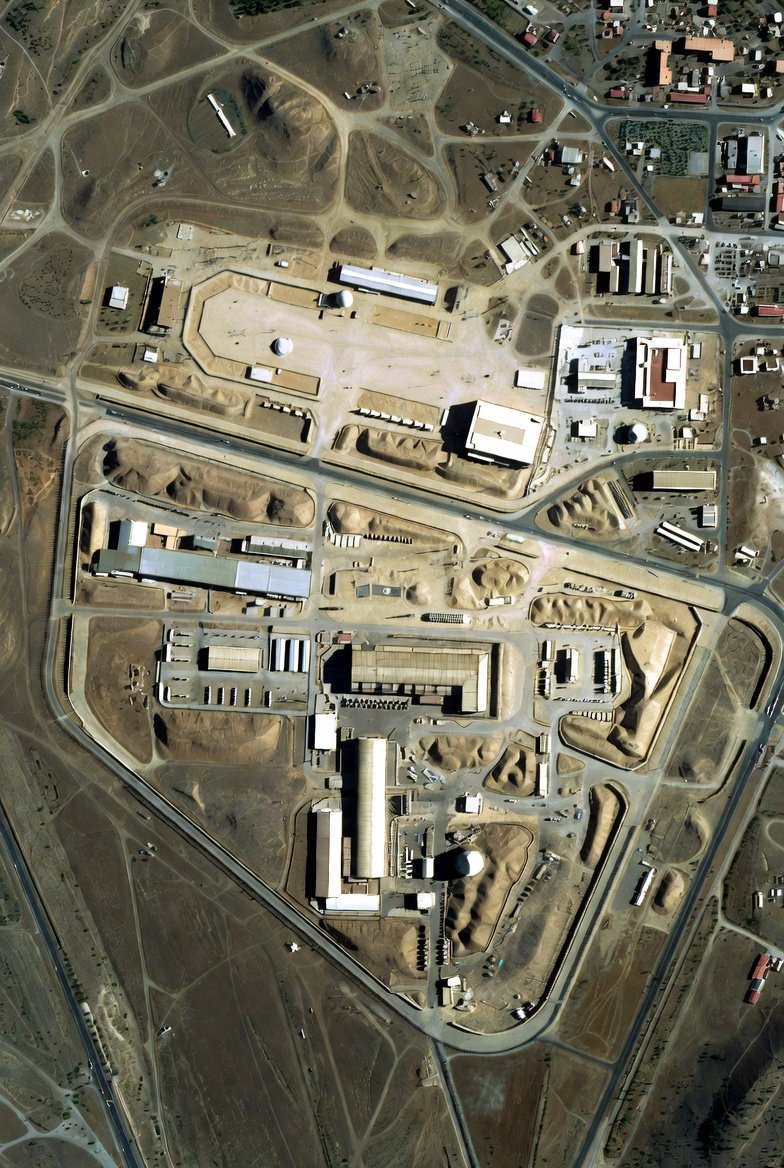
Satellite imagery reveals that Iran has been actively repairing, fortifying and concealing key military and nuclear facilities, as tensions with the United States and Israel escalate and diplomatic negotiations stall, according to defense analysts and imagery reviewed by Reuters.
Recent images show significant construction activity at the Parchin military complex, a site near Tehran that Western analysts say was struck by Israel in 2024 and is associated with sensitive weapons and explosives work. Iran has reportedly covered a newly built facility with a concrete shield and soil to obscure it from aerial surveillance.
At the Isfahan nuclear complex, which was bombed by the United States in 2025, all tunnel entrances are now buried, a move analysts interpret as an effort to protect underground facilities where enriched uranium is believed stored. Additionally, work continues to harden tunnel entrances near Natanz, another nuclear site, suggesting a broader strategy to safeguard critical infrastructure.
The imagery also shows repairs at missile bases south of Shiraz and near Qom that were damaged during previous strikes, highlighting Tehran’s focus on restoring and strengthening its strategic assets.
Iran’s fortification efforts come amid stalled negotiations with the United States on nuclear and security issues. Washington has warned Tehran that military action remains on the table should diplomatic talks fail to produce a deal.
In parallel, Iran has carried out naval drills in the strategic Strait of Hormuz, a key oil-shipping route, shortly before renewed talks with US representatives set to take place. Officials in Tehran have insisted on negotiating only nuclear matters, rejecting broader U.S. demands on missile programs and regional activity.
Analysts say the fortification of sensitive sites is consistent with Tehran’s broader security posture as it balances diplomatic engagement with preparations for potential conflict. Internal unrest in Iran, including ongoing protests and security crackdowns following last month’s demonstrations, adds another layer of complexity to the government’s calculations.
The tense backdrop includes wider geopolitical developments in the Middle East, such as preparations for the holy month of Ramadan across the region, even as conflicts and political pressures shape daily life.
Defense experts interpret the satellite observations as an effort by Iran to:
- Conceal and fortify vulnerable facilities against potential airstrikes;
- Protect nuclear and explosives infrastructure in hardened or buried locations;
- Restore damaged military installations that were hit in previous conflicts.
These moves indicate Tehran’s priority on shielding its strategic capabilities while navigating a volatile diplomatic environment that could have far-reaching consequences for regional security.