

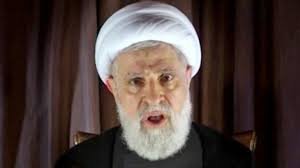
Hezbollah’s deputy leader, Naim Qassem, has publicly pledged to continue fighting Israel, rejecting Lebanese government efforts to disarm the group. Speaking to supporters, Qassem framed the confrontation as a defensive response to Israeli attacks, insisting that Hezbollah’s armed resistance remains legitimate. He emphasized that the group will persist “to the furthest limits” against what it calls Israeli aggression, signaling a firm refusal to scale back its military activities.
Israeli forces have intensified airstrikes across southern Lebanon, targeting what they describe as Hezbollah command centers and military infrastructure. These operations have resulted in significant civilian casualties, with dozens reported killed and hundreds wounded. Tens of thousands of residents have been displaced, and Israeli authorities have ordered evacuations in dozens of border villages to reduce civilian exposure to ongoing strikes.
Hezbollah’s military engagement comes amid broader regional tensions involving Israel, the United States, and Iran, including recent cross-border operations and the reported assassination of an Iranian leader. Lebanon’s government has publicly outlawed Hezbollah’s independent military activities, creating a major political rupture and highlighting internal divisions. Despite this, Hezbollah remains committed to its campaign against Israel, raising the risk of a prolonged regional conflict.
This escalation underscores how conflicts between Israel and Iran are expanding into Lebanon, drawing Hezbollah directly into the confrontation. The group’s refusal to disarm, coupled with the Lebanese government’s attempt to limit its actions, points to deep political fractures that could influence regional stability. Meanwhile, the human toll on civilians is mounting, emphasizing the urgent need for international attention to prevent further escalation.