

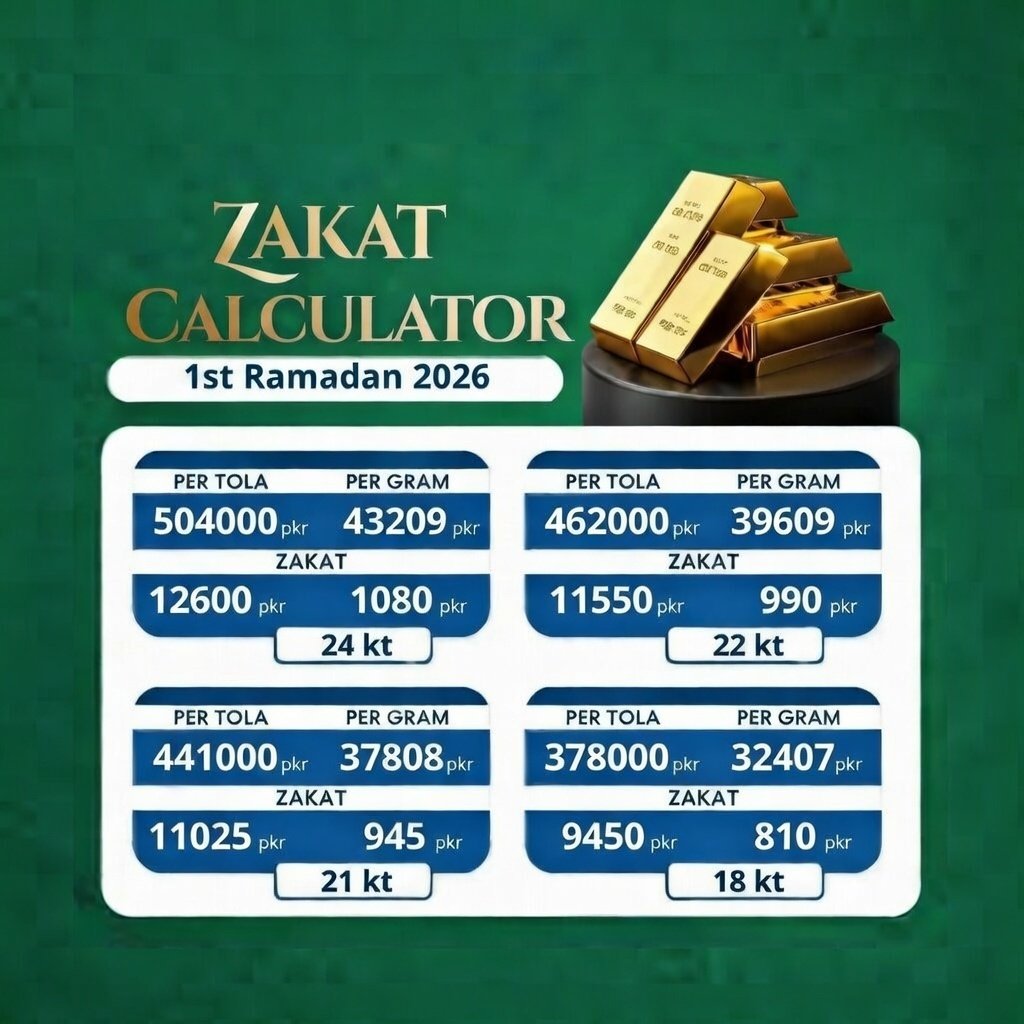
Rising global gold prices are reshaping how Muslims calculate and pay Zakat during Ramadan as values nearly double compared with last year, affecting eligibility thresholds and the amount of charity owed, according to a report by Al Jazeera. This year’s surge in gold, trading above $5,100 per ounce, has pushed the Zakat nisab (minimum threshold of wealth liable to Zakat) significantly higher, meaning that more Muslims may currently be below the threshold required to pay, even if their assets would have qualified a year ago.
Zakat, one of Islam’s five pillars, requires adult Muslims whose savings and assets exceed the nisab, often defined by the value of 85 g (about 3 troy ounces) of gold, to give 2.5 % of qualifying wealth to the needy if held for a full lunar year. With the price of gold up sharply since last Ramadan, the nisab based on gold has jumped from roughly $8,000 to more than $15,000, altering how many individuals approach their charitable obligations.
The Al Jazeera explainer notes that higher gold prices have two major effects: they raise the monetary threshold at which Zakāt becomes compulsory, potentially exempting some long‑time savers whose assets no longer meet the elevated nisab, and increase the overall amount owed by those who hold gold or other qualifying assets above the threshold.
Local markets reflect similar trends. In Pakistan, gold prices have continued their upward trajectory, with 24‑karat gold near Rs 540,000–550,000 per tola, influenced by international demand and geopolitical tensions, underscoring the material impact of global prices on wealth valuations and charitable calculations during the holy month.
As Ramadan progresses, financial experts and Islamic scholars are advising Muslims to carefully reassess their assets using current precious metal rates and nisab values to ensure accurate and compliant Zakat contributions, while charities work to accommodate fluctuations in giving patterns linked to metal price volatility.