

Major international airlines have begun raising airfares as jet fuel prices surge amid the ongoing conflict linked to the war involving the United States, Israel and Iran, industry officials said. The spike in fuel costs has disrupted airline operations and prompted carriers to increase ticket prices to mitigate soaring operating expenses.
Australia’s Qantas Airways said it will increase fares on international routes, attributing the move to volatile oil and jet fuel prices caused by regional instability. The airline also announced plans to explore expanded capacity on Europe‑bound services as demand remains strong despite broader uncertainty.
Scandinavian carrier SAS confirmed a temporary fare increase in response to the sharp rise in jet fuel costs. The airline noted that under normal conditions it absorbs moderate fuel price fluctuations, but the scale and speed of the current increase made price adjustments necessary to sustain reliable operations.
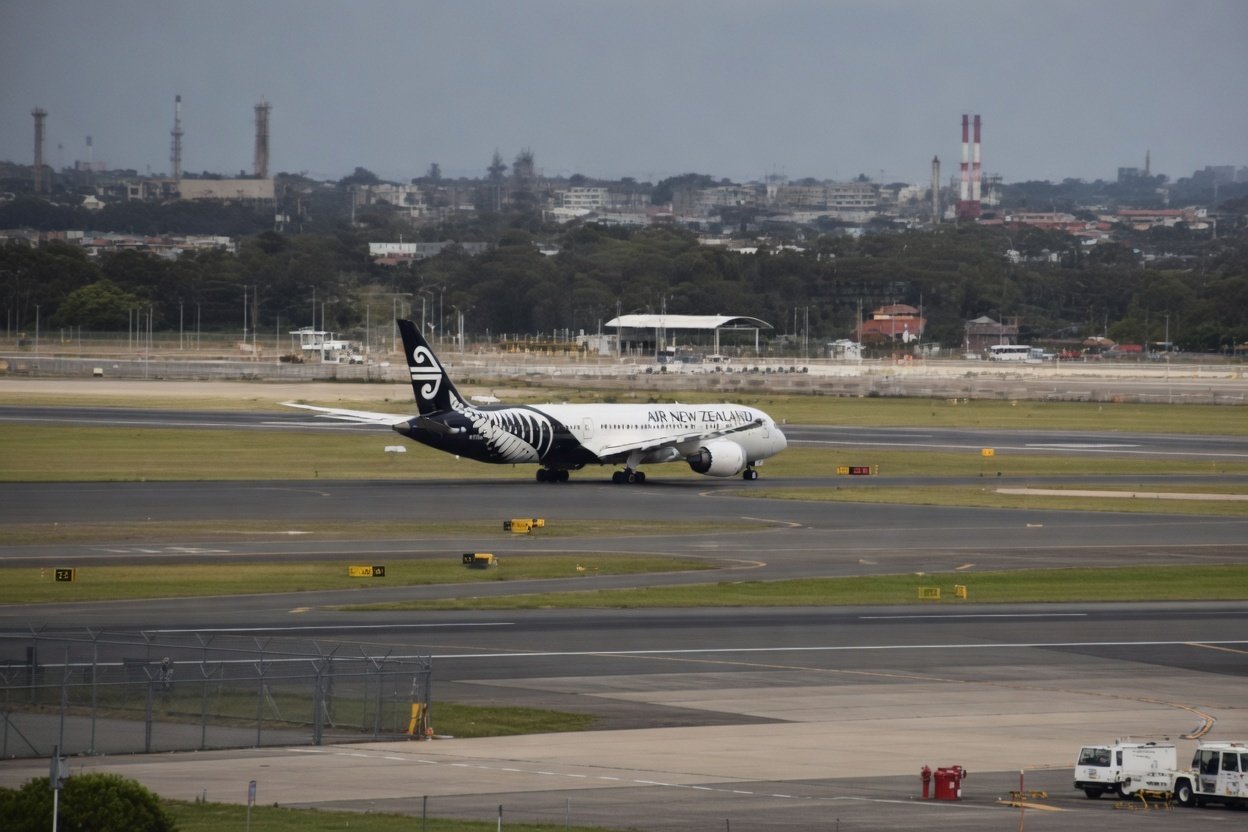
The surge in fuel costs follows a dramatic jump in jet fuel prices from roughly $85‑$90 per barrel to as high as $200 in recent weeks, driven by disruptions in oil supply routes and heightened geopolitical risk in the Middle East. Air New Zealand said the uncertain fuel outlook has forced it to raise fares across multiple markets and suspend its 2026 financial guidance.
The conflict has also disrupted key airspace corridors, particularly around the Strait of Hormuz, leading to longer flight paths and added operating costs that further contribute to higher ticket prices. Travel industry analysts warn that sustained high fuel costs could dampen demand and lead to broader industry price adjustments in the coming months.
Passengers travelling on some routes are already facing significantly higher prices, and further fare increases could be announced if fuel prices remain elevated or continue to fluctuate sharply.