

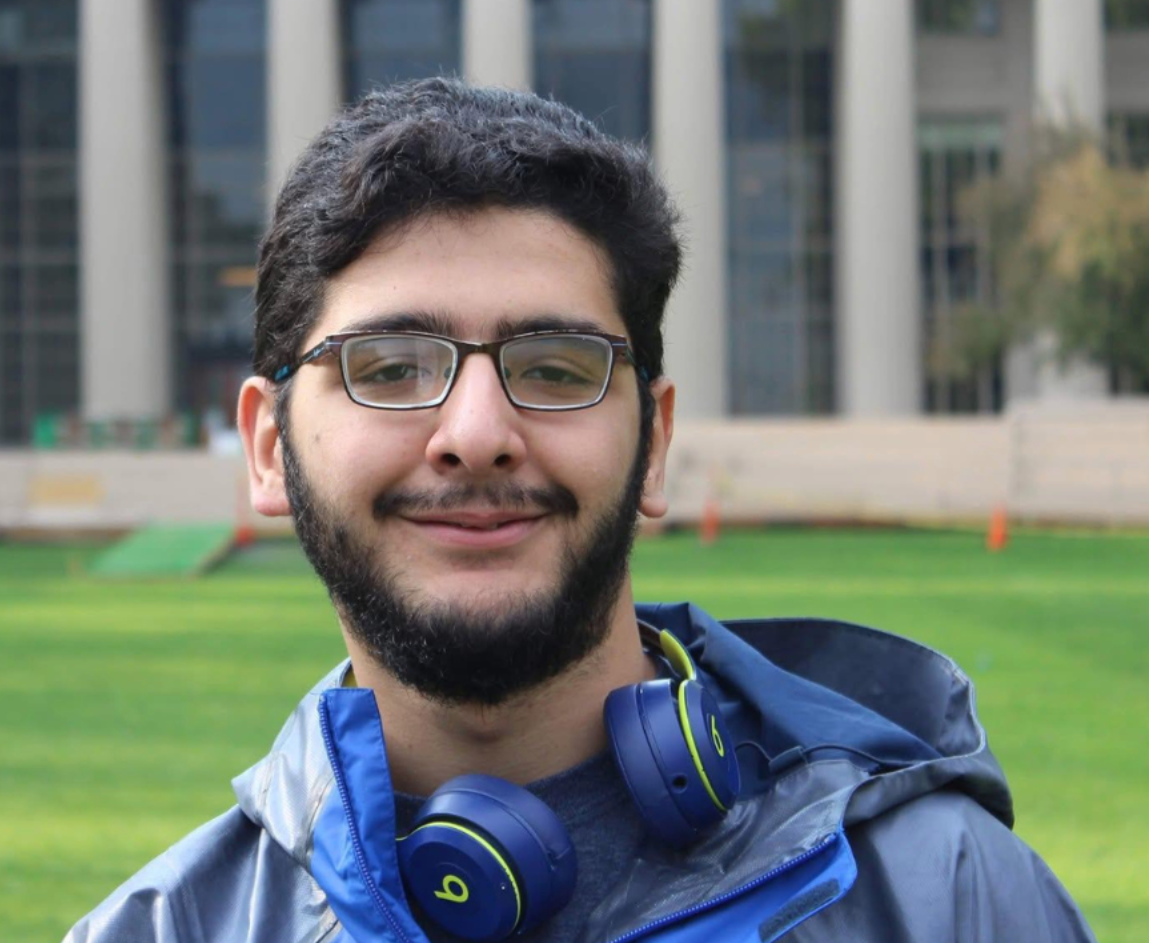
In a world where success stories often feel scripted by Hollywood, Sualeh Asif’s journey stands out as a genuine testament to grit, intellect, and the power of opportunity. Picture this: a young boy from the bustling streets of Karachi, zipping around on a motorcycle just a few years ago, now co-piloting one of the hottest AI startups in Silicon Valley. At 25, Sualeh isn’t just another tech whiz; he’s a symbol of untapped Pakistani potential that’s finally breaking through on the global stage. His company, Anysphere, behind the revolutionary AI code editor Cursor, hit a jaw-dropping $29.3 billion valuation in November 2025, according to Forbes. That’s not hype—it’s a reality that’s turning heads and inspiring a nation.
Sualeh’s story begins in Karachi, where he honed his sharp mind through rigorous education. He attended Nixor College for his A-Levels before earning a scholarship to the Massachusetts Institute of Technology (MIT), where he graduated with a Bachelor of Science in Mathematics and Computer Science. But even before MIT, Sualeh was making waves internationally. From 2016 to 2018, he represented Pakistan at the International Mathematical Olympiad (IMO), earning honorable mentions at the Asian Pacific Mathematical Olympiads in 2017 and 2018. These weren’t just competitions; they were crucibles that forged his problem-solving prowess, skills that now underpin his work in AI.
At MIT, Sualeh connected with like-minded visionaries: Michael Truell, Arvid Lunnemark, and Aman Sanger. The four friends, all in their early 20s, shared a frustration with traditional coding tools during late-night hackathons. They dreamed of something better, an editor where AI isn’t a gimmick but a seamless partner. In 2022, they founded Anysphere in San Francisco, with Sualeh stepping up as Chief Product Officer. Their flagship product, Cursor, launched in 2023 as a fork of Visual Studio Code, but infused with AI smarts that make it feel alive.
What sets Cursor apart? It’s not about replacing developers; it’s about empowering them. Imagine typing a vague instruction like “build a user login system,” and the AI not only generates code but remembers your project’s context, suggests improvements, and even asks for clarifications. This “smart pair-programmer” integrates top AI models and, in 2025, introduced its own model called Composer to speed things up and cut costs. The results speak volumes: Cursor is used by millions across 50,000 enterprise teams, including heavyweights like OpenAI, Stripe, Nvidia, and Google. Anysphere’s revenue exploded from $1 million in 2023 to over $1 billion annualized by late 2025, making it one of the fastest-growing SaaS companies ever.
The funding rounds tell a story of meteoric rise. Starting with a $400 million valuation in early 2025, it jumped to $2.5 billion by April, $9.9 billion in June after a $900 million raise, and finally $29.3 billion in November with a $2.3 billion infusion from investors like Thrive Capital, Andreessen Horowitz, Accel, and DST Global. Forbes estimates Sualeh’s 4.5% stake is worth at least $1.3 billion, minting him a billionaire before 30. Yet, Sualeh remains grounded, focusing on real innovation over social media buzz. As he shared in interviews, his goal is to “equip developers” in an AI era, not overshadow them.
For Pakistan, Sualeh’s success is more than a feel-good tale, it’s a wake-up call. In a country brimming with talent but plagued by limited opportunities, he represents what happens when potential meets platform. Pakistan has produced IMO stars before, but how many get the scholarships, mentorship, and ecosystem to thrive? Sualeh’s path—from Karachi’s math camps to MIT’s labs, highlights the need for investment in STEM education, scholarships, and international exposure. Imagine if we could nurture 10,000 more Sualehs: coders, innovators, and entrepreneurs who could lift Pakistan’s tech scene onto the global map.
Critics might say Silicon Valley’s allure drains talent from home, but Sualeh’s story flips that narrative. He’s a bridge, showing Pakistani youth that world-class achievements are possible without abandoning roots. His presence in AI’s epicenter inspires reverse brain drain: bringing ideas, networks, and investments back. Pakistan’s government and private sector must seize this momentum, bolster programs like the National Incubation Centers, partner with MIT-like institutions, and fund AI research. After all, in the age of AI, nations that empower their innovators will lead, while others lag.
Sualeh’s humility adds a human touch to his billionaire status. Unlike flashy tech bros, he’s laser-focused on building tools that matter. As he noted in a YouTube discussion on Cursor’s origins, it’s about solving real-world frustrations from his MIT days. This authenticity resonates: he’s not just succeeding; he’s redefining collaboration between humans and machines.
In celebrating Sualeh, we celebrate Pakistan’s latent genius. His journey reminds us that with hard work, opportunity, and a bit of audacity, ordinary beginnings can lead to extraordinary heights. Let’s share his story far and wide, not for shallow patriotism, but to ignite ambition in every Pakistani kid dreaming big. Long live Sualeh Asif, and long live the spirit of innovation that propels us forward. Pakistan’s future is brighter because of stars like him.
Disclaimer: The views and opinions expressed in this article are solely those of the author and do not necessarily reflect the views, policies, or position of this website. The website does not endorse or oppose any opinion presented herein.

1 Comment
🔥🔥