

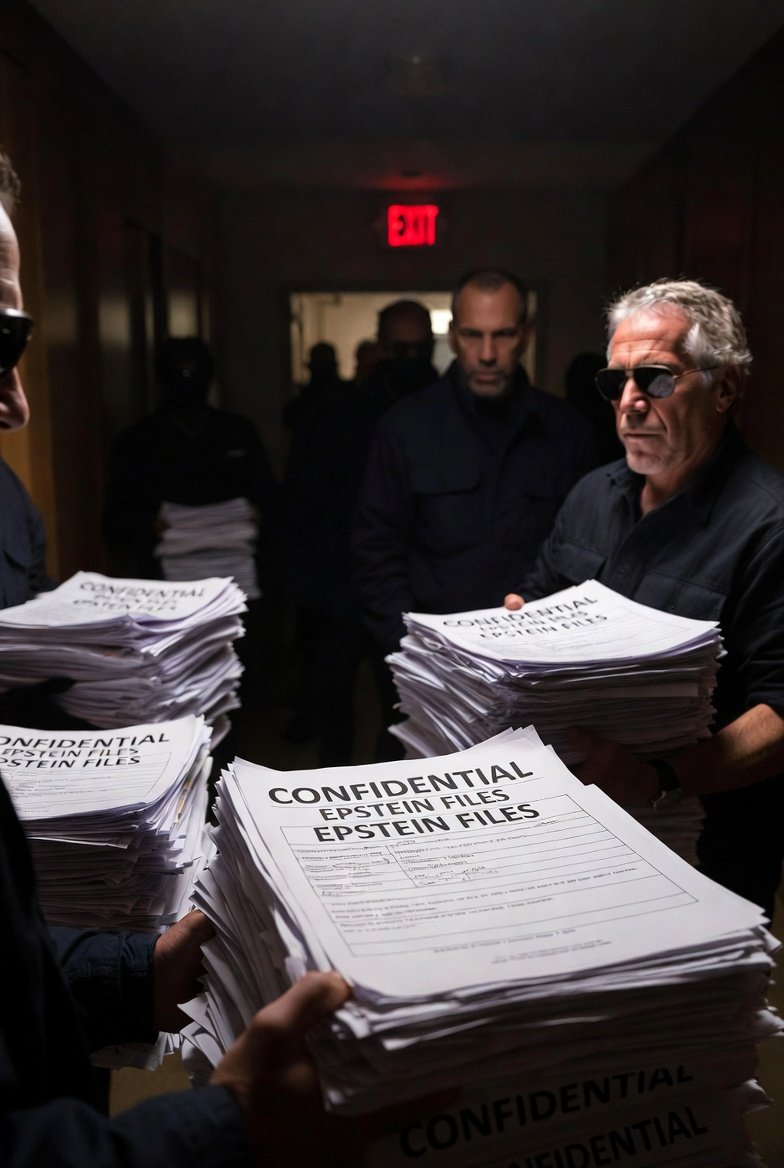
Freshly released documents linked to Jeffrey Epstein have revealed new details about his relationships with influential figures and the internal operations of his properties, according to a recent report by The Guardian.
The records are part of a large batch of files made public under U.S. transparency laws and include emails, internal manuals, and correspondence collected during investigations into Epstein’s activities. Authorities say the release is intended to increase public accountability while protecting victims’ identities.
The documents highlight Epstein’s communication with several prominent individuals across politics, business, and entertainment.
Among those referenced is filmmaker Woody Allen, whose name appears in correspondence related to social and professional introductions.
The files also include emails involving Norway’s Crown Princess Mette-Marit, in which Epstein mentioned personal matters, including a “wife hunt” during a visit to Paris. The royal later expressed regret over any contact with Epstein.
Wellness author Deepak Chopra is mentioned as having attended private dinners hosted by Epstein in New York.
Former UK cabinet minister Peter Mandelson is shown exchanging messages with Epstein about a draft of his memoir, while former Israeli prime minister Ehud Barak appears in records indicating continued contact after Epstein’s 2008 conviction.
Indian businessman Anil Ambani is also referenced in messages discussing possible political introductions in the United States.
Additionally, Epstein is seen offering to arrange meetings for Britain’s Prince Andrew, reinforcing his role as a social connector among elites.
One of the most striking revelations is a detailed “household manual” for staff at Epstein’s Florida residence.
The document instructs employees to follow strict rules, including maintaining secrecy about guests and activities. Staff were reportedly told to “see nothing, hear nothing, say nothing,” reflecting the high level of control within the property.
The manual also included precise instructions on temperature settings, room arrangements, and handling of visitors.
The released files contain numerous personal emails and messages written by Epstein, including philosophical reflections and casual exchanges with associates. Some messages discuss his plans, social life, and views on personal freedom.
While many of the communications appear informal, experts say they help illustrate how Epstein maintained influence and access within elite circles.
Legal experts and journalists have stressed that being named in the documents does not imply criminal activity. Many of the references involve social contact, professional networking, or unrelated correspondence. Several individuals mentioned in the files have denied knowledge of Epstein’s criminal behavior and stated that their interactions were limited.
The document release has renewed calls from victims’ advocates and lawmakers for further transparency. Some groups argue that additional materials remain sealed and should be made public, while ensuring privacy protections for survivors.
The U.S. Department of Justice has said it is continuing to review and publish records in line with legal requirements.
The latest disclosures provide deeper insight into how Epstein operated for years within high-level social networks. Analysts say the files demonstrate how wealth and connections allowed him to maintain influence despite past convictions.
Public debate over accountability, institutional failures, and elite privilege is expected to continue as more documents are examined.