

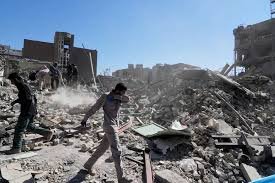
A drone targeted a U.S. military base in Iraq on March 5, marking a significant escalation as Tehran’s forces and Iran‑aligned groups expand attacks on American assets across the region. The strike in Iraq occurred against the backdrop of a widening war that began after the joint U.S. and Israeli military offensive inside Iran, which included strikes on Tehran’s security infrastructure and claims of killing senior Iranian leadership. Iranian forces and allied militias have responded with sustained missile and drone barrages at U.S. facilities, regional capitals, and Israeli territory.
Across the Gulf, Iranian‑launched ballistic missiles were intercepted over NATO member airspace, including a NATO intercept of a missile near Turkey’s territory, highlighting risks of broader escalation. Iran also fired missiles toward the major U.S. air hub at Al Udeid Air Base in Qatar, where at least one missile struck near the perimeter after interception, although no casualties were reported.
Tehran’s retaliation has involved dozens of drone and missile launches targeting not just military bases but also diplomatic compounds in the Gulf, prompting the U.S. State Department to urge American citizens to leave 14 Middle Eastern nations amid widening hostilities. Multiple bases hosting U.S., British, and French troops have reportedly been hit since the conflict intensified.
The broader regional war has seen Israel intensify airstrikes on Iranian and Iranian‑aligned targets including in Lebanon and Beirut suburbs, where strikes have caused significant civilian casualties and displacement. Israel has warned residents in multiple border areas to evacuate amid heavy bombardment, as Tehran continues to launch missiles and drones toward Israeli territory with alerts in cities including Tel Aviv.
The conflict has disrupted global energy markets and shipping routes through the Strait of Hormuz, driving energy prices higher and straining supply chains. Iraq, Qatar, Saudi Arabia, and the UAE have reported operational impacts on oil and LNG production due to ongoing hostilities.
In the diplomatic realm, Western governments remain divided on responses, with some European nations affirming defense cooperation while others urge restraint. Regional authorities such as Qatar have begun precautionary evacuations near high‑risk installations, reflecting the increasingly volatile security environment.
The war shows no signs of abating, with both sides framing their actions as defensive and necessary. Iran has vowed revenge for every attack on its forces and assets, while the U.S. and Israel maintain that dismantling Tehran’s military capabilities is essential to their strategic objectives in the Middle East