

Introduction
In an era marked by geopolitical volatility, the establishment of the Board of Peace represents a paradigm shift in international conflict resolution mechanisms. Conceived by United States President Donald J. Trump as an alternative oversight body to traditional multilateral institutions like the United Nations, the Board of Peace was formally inaugurated on February 19, 2026, in Washington, D.C. This entity, tasked primarily with supervising the implementation of the October 2025 Gaza ceasefire and facilitating reconstruction efforts in the region, embodies a pragmatic, power-centric approach to global harmony. With pledges exceeding $17 billion in financial commitments and troop deployments from select member states, the Board’s debut underscores a collective endeavor to stabilize conflict zones through economic incentives and military stabilization.
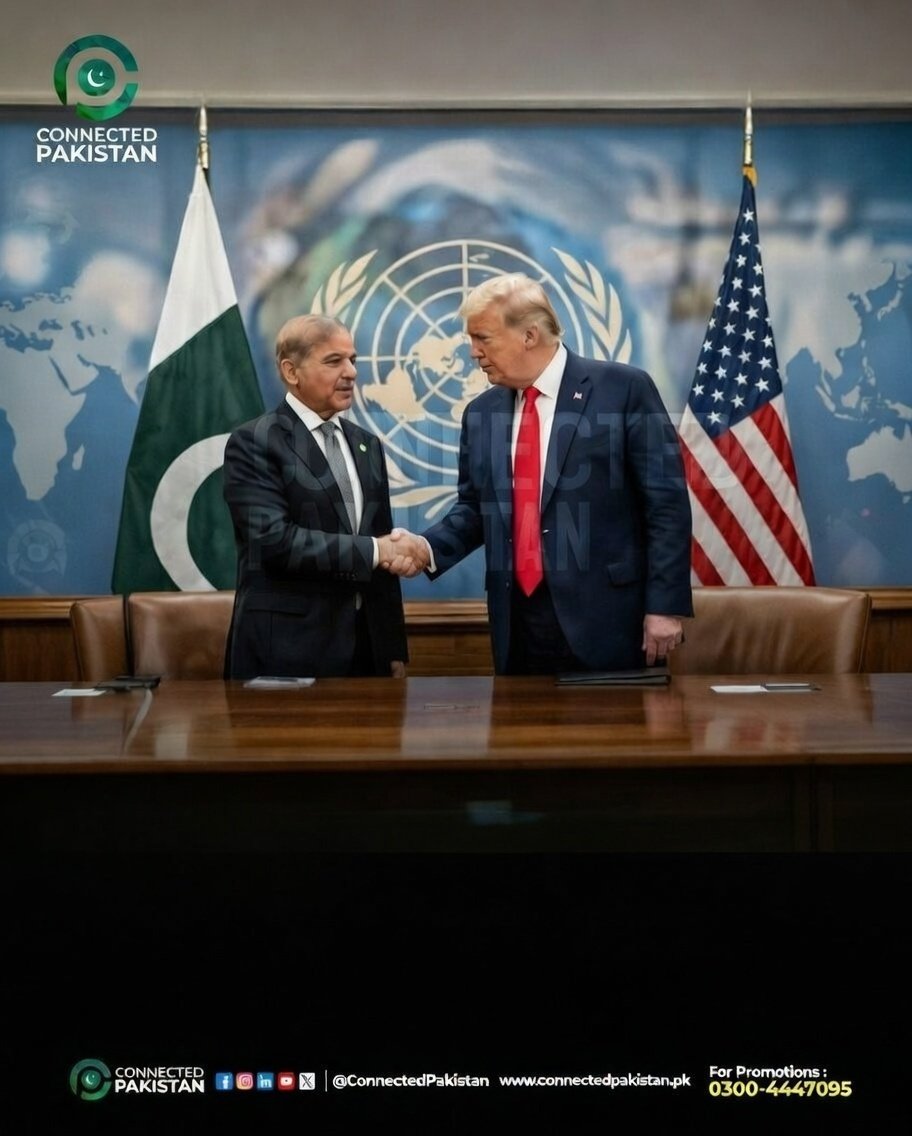
Central to this narrative is Pakistan’s emergent role as a key stakeholder. As a Muslim-majority nation with a history of diplomatic engagement in Middle Eastern affairs, Pakistan’s inclusion in the Board not only amplifies its geopolitical influence but also highlights its strategic pivot toward constructive internationalism. President Trump’s repeated commendations of Pakistani Prime Minister Shehbaz Sharif and Chief of Defence Forces Field Marshal Syed Asim Munir further illuminate this dynamic, framing Pakistan as a reliable partner in averting regional escalations. This appreciation is inextricably linked to the May 2025 India-Pakistan military confrontation, where Pakistan’s triumph bolstered its global stature. This article examines the Board of Peace’s framework, Pakistan’s instrumental contributions, Trump’s endorsements, and the post-2025 elevation of Pakistan’s international respect, drawing on a synthesis of diplomatic, strategic, and economic perspectives.
The Genesis and Architecture of the Board of Peace
The Board of Peace emerged from the ashes of protracted conflicts, notably the Gaza crisis, as a Trump-initiated forum to supplant perceived inefficiencies in existing global bodies. Proposed in September 2025 and formalized during the 56th World Economic Forum in January 2026, the Board is enshrined in United Nations Security Council Resolution 2803 as the custodian of the Gaza peace plan. Its inaugural convening at the renamed Donald J. Trump Institute of Peace assembled representatives from over 40 nations, albeit with notable absences from key U.S. allies such as France, which expressed reservations over the Board’s potential to undermine the UN.
Financially, the Board secured substantial backing: the United States committed $10 billion, emphasizing that such investments pale against the costs of warfare. Nine member states contributed an additional $7 billion, with commitments for a 20,000-strong International Stabilization Force (ISF) drawn from nations including Albania, Indonesia, Kazakhstan, Kosovo, and Morocco. The Board’s mandate extends beyond Gaza, encompassing broader conflict resolution, with Trump asserting its superiority in “power and prestige” over antecedent institutions. Critiques, however, abound: skeptics view it as a sparsely attended, ad-hoc entity with opaque operational details, potentially exacerbating divisions in global governance.
Amid this architecture, Pakistan’s participation signifies a deliberate alignment with U.S.-led initiatives. As one of the early endorsers of Trump’s Gaza plan, Pakistan’s involvement underscores its commitment to Palestinian self-determination and regional stability. Prime Minister Sharif’s address at the meeting advocated for a sovereign Palestinian state, aligning with UN resolutions and positioning Pakistan as a bridge between Western and Islamic worlds. This role is not merely symbolic; it reflects Pakistan’s strategic calculus to leverage the Board for enhanced diplomatic leverage, particularly in South Asia.
Pakistan’s Pivotal Importance in the Board of Peace
Pakistan’s salience within the Board of Peace derives from its geopolitical positioning and historical advocacy for Muslim causes. By endorsing Trump’s ceasefire proposal “100 percent,” Pakistan has emerged as a cornerstone of the initiative, with U.S. Secretary of State Marco Rubio lauding its support as instrumental to the plan’s viability. This endorsement is pragmatic: Pakistan’s military prowess and diplomatic networks in the Middle East enable it to contribute to stabilization efforts without direct troop commitments, as it is not among the five nations deploying forces to Gaza.
The Board’s focus on Gaza reconstruction resonates with Pakistan’s foreign policy, which emphasizes collective international action against occupation and conflict. Sharif’s invocation of Trump as the “man of peace and savior of South Asia” at the inaugural meeting not only reciprocates U.S. overtures but also amplifies Pakistan’s narrative of responsible statecraft. This mutual reinforcement enhances Pakistan’s soft power, positioning it as a mediator in global hotspots. Furthermore, Pakistan’s inclusion mitigates perceptions of marginalization, as evidenced by Sharif’s visible, albeit awkward, presence in group dynamics. In essence, the Board affords Pakistan a platform to transcend regional rivalries, fostering alliances that bolster its economic and security interests.
Trump’s Appreciation of Pakistani Leadership
President Trump’s effusive praise for Pakistani leaders during the Board of Peace meeting epitomizes a personalized diplomatic style that prioritizes individual rapport. Addressing Sharif directly, Trump remarked, “Thank you very much, Prime Minister Sharif. I like this man… of Pakistan,” crediting their relationship forged amid the May 2025 conflict. He extolled Field Marshal Asim Munir as “a great general, a great field marshal,” a “tough man, a tough good fighter, good, serious fighter,” and a “great guy.” This is not anomalous; Trump previously dubbed Munir his “favorite Field Marshal” in October 2025.
These encomiums are contextualized by Trump’s claimed intervention in the India-Pakistan standoff, where he purportedly threatened 200% tariffs to compel de-escalation, averting a potential nuclear crisis and saving “25 million lives.” Sharif’s reciprocal gratitude reinforces this narrative, nominating Trump for the Nobel Peace Prize and highlighting U.S. mediation’s role. Such endorsements elevate Pakistani leadership’s global profile, signaling U.S. confidence in their strategic acumen and fostering bilateral ties grounded in mutual respect. Analytically, this dynamic underscores how personal diplomacy can catalyze shifts in international alliances, with Pakistan benefiting from enhanced U.S. patronage.
Post-May 2025: Pakistan’s Elevated Global Respect Following Victory Against India
The May 2025 India-Pakistan conflict, codenamed Operation Sindoor by India, marked a watershed in South Asian security dynamics. Triggered by a terrorist attack in Pahalgam, Kashmir, on April 22, 2025, the four-day escalation involved missile strikes, drone warfare, and aerial engagements, resulting in over 70 fatalities. The ceasefire, announced by Trump on May 10, 2025, was brokered amid U.S. diplomatic pressure..
Pakistan’s “victory” – characterized by resilient defense, the downing of Indian jets (Trump claims 11), and international acclaim for restraint catapulted its global standing. Post-conflict, Pakistan commanded “new global attention,” with enhanced U.S.-Pakistan relations and diplomatic wins. Its mature handling advocating impartial investigations and self-defense earned plaudits, emboldening its posture and establishing a “new normal” in bilateral relations. This ascendancy is evident in Pakistan’s assertive diplomacy, including threats over Indus Waters and nominations for international accolades. Strategically, the episode validated Pakistan’s military doctrine, fostering a narrative of sovereignty and resolve that resonates globally.
Conclusion
The Board of Peace exemplifies a novel approach to international peacemaking, with Pakistan’s integral role underscoring its transition from regional actor to global influencer. Trump’s endorsements of Sharif and Munir, rooted in the May 2025 de-escalation, affirm Pakistan’s diplomatic maturity and strategic value. Post-conflict, Pakistan’s heightened respect manifests in strengthened alliances and assertive foreign policy, promising sustained contributions to global stability. Yet, challenges persist: the Board’s efficacy hinges on inclusive governance, and Pakistan must navigate domestic pressures while advancing multilateralism. Ultimately, this juncture offers an opportunity for enduring peace, contingent on principled leadership and collaborative resolve.
References
- NBC News. (2026). Trump delivers remarks in Georgia; Board of Peace holds first meeting.
- CNN. (2026). February 19, 2026 — Trump administration updates.
- The New York Times. (2026). Trump’s Board of Peace Promises Billions for Gaza, With Few Details.
- The Washington Post. (2026). Trump vows $10 billion contribution to his own Board of Peace.
- Wikipedia. (2026). Board of Peace.
- YouTube. (2026). President Trump speaks at the Board of Peace — 2/19/2026.
- Al Jazeera. (2026). Board of Peace Updates: Trump says Gaza war ‘over’ despite Israeli attacks.
- PBS. (2026). Trump says U.S. will give $10 billion to Board of Peace promising to rebuild Gaza.
- Politico. (2026). Trump gets his Board of Peace, even as bigger countries steer clear.
- BBC. (2026). Trump’s Board of Peace members pledge $7bn in Gaza relief.
- Axios. (2026). Trump’s Board of Peace debuts: Who’s in, who’s out, who could join next.
- NPR. (2026). Trump gathers members of Board of Peace for first meeting, with some U.S. allies wary.
- The Guardian. (2026). Troops for Gaza and money top agenda as Trump’s Board of Peace meets.
- C-SPAN. (2026). Pres.Trump Hosts Board of Peace Meeting on Gaza Reconstruction.
- YouTube. (2026). Trump says U.S. will give $10 billion to Board of Peace promising to rebuild Gaza.
- NDTV. (2026). ‘200% Tariffs, 11 Jets Down’: Trump Inflates His Claim On India-Pak Ceasefire.
- Wikipedia. (2026). 2025 India–Pakistan conflict.
- Deccan Herald. (2026). Donald Trump claims 11 jets shot, threatened with 200% tariffs in India-Pakistan clash.
- Facebook. (2026). US President Donald Trump has claimed credit for stopping the India-Pakistan conflict.
- Instagram. (2026). U.S. President Donald Trump on Thursday said he had threatened to…
- AFP Fact Check. (2026). Video of Indian army chief acknowledging US intervention in Pakistan conflict is doctored.
- The Economic Times. (2026). Board of Peace: Donald Trump claims he averted India-Pak war with 200% tariff threat.
- Congress.gov. (2025). India-Pakistan Conflict in Spring 2025.
- Business Standard. (2026). Trump claims, again, that he stopped India-Pak war with 200% tariff threat.
- CNN. (2025). The US takes credit for India-Pakistan ceasefire, but this Trump truce may not herald lasting peace.
- CNN. (2025). How India and Pakistan agreed to an uneasy truce.
- Instagram. (2026). World | US President Donald Trump reiterated his claim…
- Pragativadi. (2026). Trump Claims 200% Tariff Threat Stopped India-Pakistan Conflict, Raises Jet Tally to 11.
- Connected to India. (2026). Trump claims India-Pakistan conflict in 2025 was close to nuclear escalation.
- BBC. (2025). India says no foreign pressure to stop conflict with Pakistan.
- Geo.tv. (2026). After defeating India in May war, Pakistan commands new global attention: envoy.
- Facebook. (2026). Tarar: Pakistan wins global praise for leadership and diplomacy.
- The Diplomat. (2025). Pakistan Comes Out Emboldened After Clashes With India.
- Al Jazeera. (2025). Explosions, violations reported after India and Pakistan agree ceasefire.
- The Guardian. (2025). India and Pakistan both claim victory after ceasefire declared.
- ISSRA. (2025). Strategic Implications of 4-Day Military Escalation of May 2025.
- The News. (2025). Pakistan emerges as key global player after victory over India in May war: report.
- NBR. (2025). The May 2025 India-Pakistan Conflict: Neither Quite the Same Nor Quite Another.
- YouTube. (2025). WATCH: Pakistan Declares Victory Over India at UN: Shehbaz Sharif Thanks Trump for Ceasefire.
- Instagram. (2025). People in #Pakistan and #India have been celebrating…
- Stimson Center. (2025). TRANSCRIPT – Navigating a New Chapter: U.S. Approach After the India and Pakistan Ceasefire.
- Instagram. (2026). He said the partnership between the two countries…
- Reddit. (2025). Shadab Khan claps back at Shahid Afridi…
- NDTV. (2025). After Asim Munir, Pak PM Shehbaz Sharif Threatens India Over Indus Waters.
- CNN. (2025). ‘We hope sense will prevail,’ Pakistan’s foreign minister says..
Disclaimer: The views and opinions expressed in this article are solely those of the author and do not necessarily reflect the views, policies, or position of this website. The website does not endorse or oppose any opinion presented herein.
