

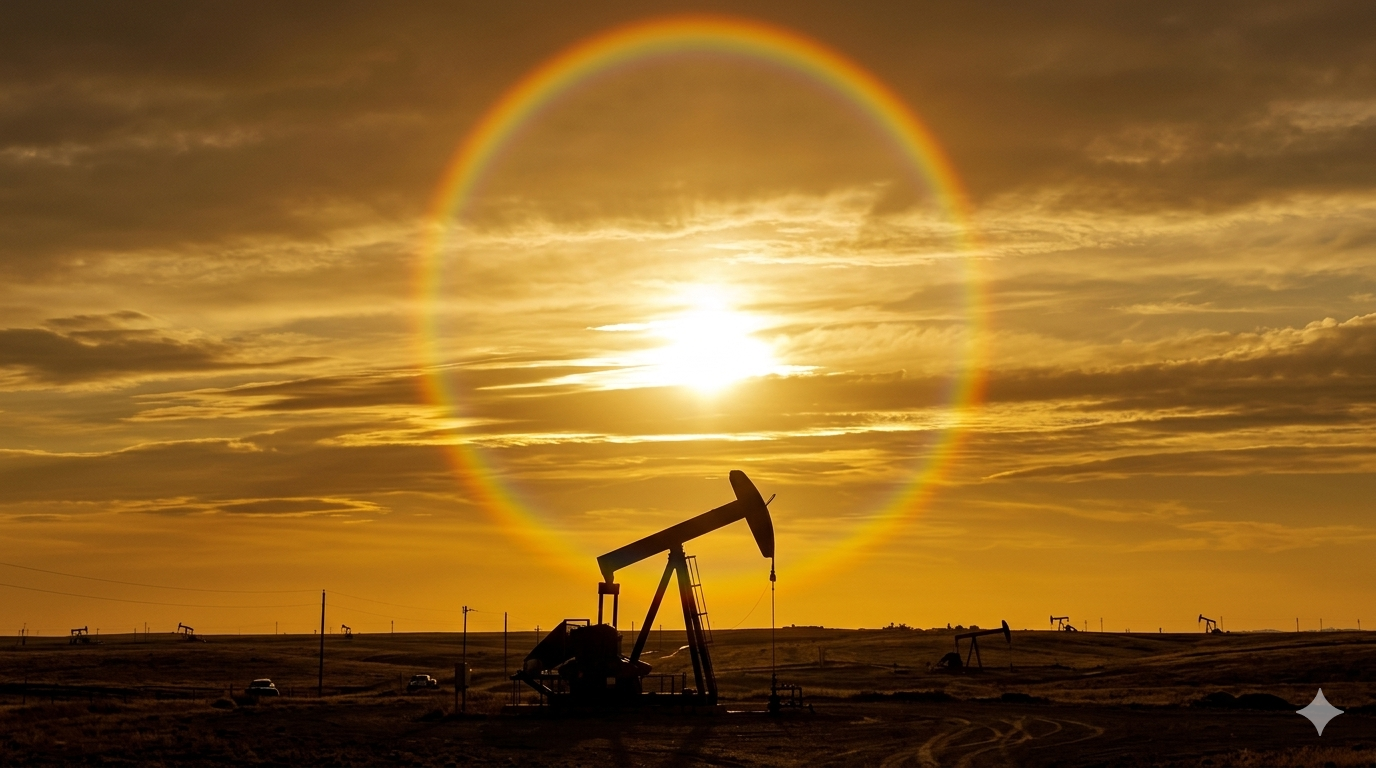
It is not just a war on the ground. It is Armageddon in the energy market.
Every war has a front line. Today’s conflict has two. The first lies in West Asia, where missiles, military posturing, and political tensions dominate headlines. The second front, however, is far less visible but equally powerful: the global oil market. This is where the effects of war are felt not through explosions, but through rising fuel prices, strained government budgets, and economic uncertainty.
As geopolitical tensions intensify in West Asia, oil prices have surged past $100 per barrel, sending shockwaves across the global economy. Energy markets are extremely sensitive to instability in this region because it produces a significant share of the world’s oil supply. Even the threat of disruption, whether through sanctions, blockades, or military escalation, can trigger sharp price increases. The consequences are already visible around the world. Governments are scrambling to protect their citizens from the economic fallout.
In South Korea, authorities have imposed caps on fuel prices to shield consumers from sudden spikes. Thailand has adopted similar measures, attempting to keep transportation and food costs under control.
The Philippines has taken an even more unusual step. To reduce fuel consumption and ease pressure on energy demand, the government has shifted civil servants to a four-day work week. The move reflects how deeply energy costs are influencing public policy.
Meanwhile, Bangladesh has gone further still. Facing severe energy constraints, the government has closed all public and private universities temporarily and adjusted national holidays to conserve electricity and fuel. These decisions highlight how energy shocks can ripple through education, productivity, and everyday life.
And then there is India, one of the world’s largest importers of crude oil. So far, the impact on Indian consumers has been partially buffered through government interventions and pricing mechanisms. But the risk remains significant. If oil prices remain elevated or rise further, the pressure on subsidies, fiscal balances, and inflation could grow rapidly.
This is why the current crisis feels different. The battlefield may be thousands of miles away, but its economic consequences are arriving everywhere—from government treasuries to household budgets. In modern geopolitics, wars are no longer confined to the geography of conflict. Supply chains, financial markets, and energy systems turn regional tensions into global economic events. Missiles may be landing in and around Iran, but the bill is arriving worldwide, at the petrol pump, in national budgets, and in the daily cost of living. This is the new reality of conflict in an interconnected world.
Disclaimer: The views and opinions expressed in this article are solely those of the author and do not necessarily reflect the views, policies, or position of this website. The website does not endorse or oppose any opinion presented herein.