

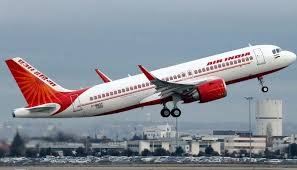
Air India experienced a sharp rise in technical incidents in January, reaching the highest rate in at least 14 months, according to an internal company document submitted to the Indian government and reviewed by Reuters. The airline recorded 1.09 technical incidents per 1,000 flights in January, more than four times the 0.26 rate in December 2024, with 23 incidents reported across more than 17,500 domestic and international flights. Most of these incidents were formally investigated by the airline and included engine stall warnings, flight control and hydraulic issues, and multiple instances of engine oil and fuel leaks. At least five incidents involved fuel or oil leaks, including a Dubai–Mumbai flight that landed with “low” engine oil, and a Delhi–Dubai flight that had to return due to the absence of water in lavatories and galleys.
The spike in incidents comes amid heightened scrutiny following the June 2025 crash of Air India Flight 171, a Boeing 787-8 that killed 260 people shortly after takeoff from Ahmedabad. That disaster prompted intensified oversight by India’s Directorate General of Civil Aviation (DGCA), which this month reported to lawmakers that 82.5% of 166 Air India aircraft inspected since January 2025 had recurring technical defects, compared with 36.5% for rival IndiGo. Operational incidents, such as rejected takeoffs and altitude deviations, also more than doubled from December to January, although the airline noted a recent downward trend in such events.
Air India, now owned by the Tata Group and Singapore Airlines, has acknowledged challenges in rebuilding its fleet and operations after decades of government ownership. The airline has introduced remedial measures, including periodic inspections for Airbus A320s, replacement of hydraulic hoses on Boeing 777s, air-conditioning leak checks, and targeted engineering actions to strengthen aircraft reliability. International regulators have also monitored the airline closely. The UK Civil Aviation Authority, for instance, sought explanations over a Boeing Dreamliner that departed London after being grounded for safety checks in India. Air India said it reminded pilots to follow proper procedures and replaced the aircraft’s throttle control module.
The airline faces additional operational pressures from diplomatic tensions, including the closure of Pakistani airspace to Indian carriers, which forced Air India to suspend some long-haul routes. With over 190 aircraft in service and more than 500 on order, the airline is attempting to rebuild its reputation and expand internationally. However, the sharp increase in technical incidents underscores persistent structural weaknesses in maintenance, process discipline, and compliance culture, highlighting the challenges Air India faces in restoring confidence among regulators, passengers, and international partners.