

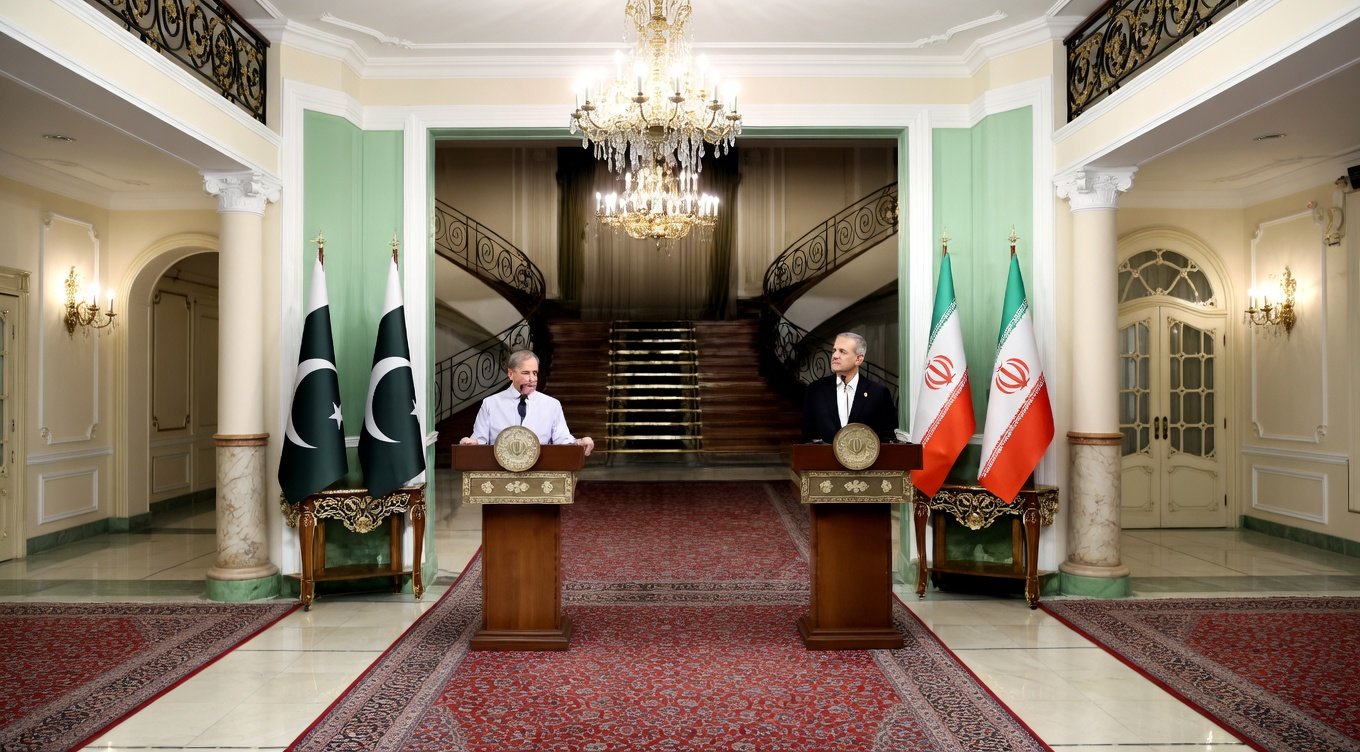
As dawn broke on 8th April 2026, millions of Pakistanis woke up to extraordinary news as a two-week ceasefire between the United States, Israel and Iran, brokered quietly by Pakistan, had taken hold. Prime Minister Shehbaz Sharif’s announcement that delegations from the warring sides would sit down in Islamabad on 10th April for peace talks was a historic validation of Pakistan’s strategic relevance in a multipolar world.
For weeks, the region had teetered on the edge of disaster. Israeli and American strikes had hammered Iranian nuclear and military sites. Iran responded with missiles, drones and, crucially, a near-total closure of the Strait of Hormuz, the chokepoint through which nearly 25 percent of global oil passes. Energy prices skyrocketed and global markets trembled. Yet at the eleventh hour, it was Pakistani back-channel diplomacy, involving both civilian leadership and the military’s trusted channels, that created the off-ramp.
This is not mere luck or coincidence. It is the result of years of deliberate policy, maintaining credible relations with all major players without becoming anyone’s vassal.
The Balancing Act That Worked
Pakistan had been caught between a rock and a hard place. There was, for example, its relationship with Saudi Arabia and the Gulf States which had been its security and economic partner for many decades now. There was, however, also the bond that existed between Pakistan and Iran. In addition, there was SMDA which binded Pakistan and Saudi Arabia in September 2025. A direct attack by Iran on Saudi Arabia could have brought Pakistan into the fight.
Instead of being paralyzed by this bind, Islamabad applied classic balancing theory with remarkable sophistication. It used its unique position, representing Iranian interests in Washington, enjoying deep military-to-military trust with the US and Gulf states, and maintaining brotherly ties with Tehran, to reassure all sides simultaneously. Pakistani officials passed messages, proposed frameworks, and kept lines open when direct US-Iran communication had collapsed.
The SMDA, far from becoming a trap, actually enhanced Pakistan’s leverage. It gave Riyadh confidence that Pakistani proposals carried Gulf legitimacy, while signaling to Washington that a Pakistan-brokered deal would not be rejected in the Arab world. At the same time, Islamabad carefully avoided any commitment that would force it to choose sides militarily. This was balancing at its finest, converting potential entrapment into diplomatic capital.
A Fragile Ceasefire in a Dangerous Neighborhood
The truth is, the ceasefire holds, for now at least. Israeli forces have kept pounding Lebanon, arguing that the ceasefire agreement does not apply to them. Iran has reopened (but reportedly strengthened its hold) on the Strait of Hormuz as retaliation. Both Washington and Tehran have proclaimed themselves winners of this deal. Debate continues over whether or not Lebanon is covered under this agreement. Mines, drones, and missiles may spoil the whole process in a matter of days.
However, even this fragile state of affairs has brought concrete gains in reduced oil prices, relieved global supply chains, and given millions of people in the region a respite from an escalating crisis.
Pakistan’s contribution has gained much praise in circles where such matters are discussed seriously. The reports have pointed to how Islamabad’s persistent yet discreet diplomacy, which included PM Shehbaz Sharif, Field Marshal Asim Munir, and accomplished diplomats, made the impossible possible.
Why This Matters for Pakistan and the World?
Pakistani diplomats at home and abroad have always been accused of diplomatic isolationism. The events of the last two days have put all those accusations to rest. This was a country that has managed to pull off what even traditional great powers and the Gulf States could not accomplish.
This is a huge win for national morale. It proves the value of a cohesive civil-military effort in pursuing foreign policy objectives. Moreover, it shows any potential adversary that Pakistan will not be diplomatically isolated if they play their cards smartly and patiently.
This is game-changing. Not only does it refute narratives advanced by its regional rivals, but it also proven beyond a doubt that Pakistan’s multi-alignment policy, excellent relations with China, pragmatic engagement with the United States, solidarity with the Muslim world, and balanced relations with Iran and Saudi Arabia make for very good statecraft indeed.
The Road Ahead
These talks in Islamabad will undoubtedly prove difficult. Hard realities, Iranian nuclear aspirations, proxy wars, aggressive tactics of Israel, and anxiety in the Gulf, are realities which will not just disappear in a day. However, it will remain the responsibility of Pakistan to act as a good mediator and push for de-escalation while remaining flexible in its approach and making sure that the deal reached at the end addresses all security concerns of all concerned parties.
In the meanwhile, everyone must acknowledge that Pakistan did not seek the spotlight. It stepped up when others could not, and in doing so, it may have helped prevent a catastrophe whose costs would have been borne by the entire world.
That is something every Pakistani can take quiet satisfaction in, while remaining vigilant, because in the Middle East, ceasefires are always only the beginning.
Disclaimer: The views and opinions expressed in this article are solely those of the author and do not necessarily reflect the views, policies, or position of this website. The website does not endorse or oppose any opinion presented herein.