

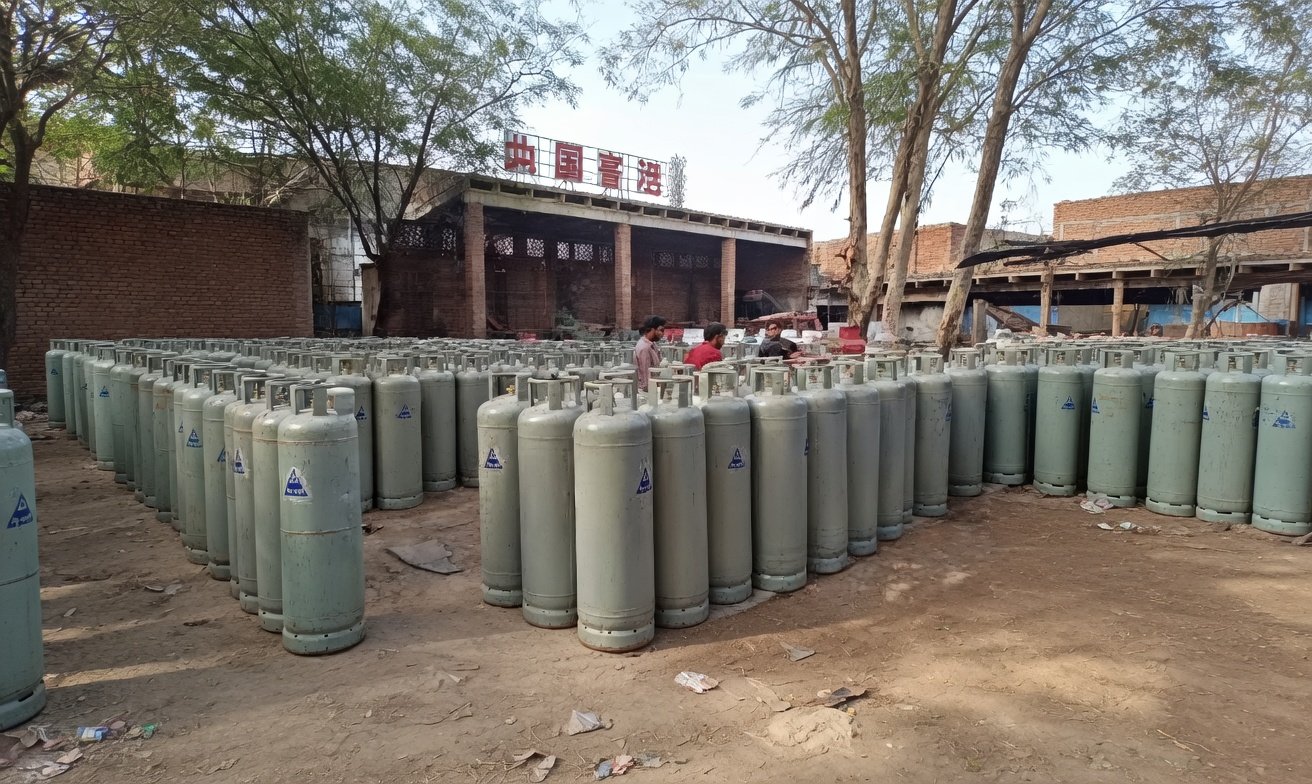
The national average price of liquefied petroleum gas (LPG) has surged sharply across Pakistan, putting additional pressure on households and transport sectors already coping with broader economic strains.
According to the latest Sensitive Price Index data, the price of an 11.67kg LPG cylinder has risen to between Rs3,900 and Rs5,135, up significantly from previous levels of Rs3,150–3,968. This increase reflects tightening supply conditions and rising global LPG costs.
The price surge has already translated into higher fares for LPG-run private transport, particularly affecting rickshaws, buses, and minibuses that serve low- and middle-income commuters.
Market analysts and industry representatives point to reduced gas flows from Iran, which traditionally supplied around 10,000–12,000 tonnes per day, as a contributing factor to the domestic price rise. This slowdown coincided with the Middle East conflict and regional holidays, which disrupted supply patterns.
Officials noted that Pakistan currently has roughly 13–14 days of LPG stocks and that recent imports of about 20,000 tonnes could help stabilize availability and prices in the near term.
Data from the Pakistan Bureau of Statistics shows that the LPG import bill for the first eight months of the fiscal year fell by four percent, even as domestic demand remained robust.
The sharp increase in LPG prices adds to inflationary pressures facing consumers and underscores the broader impact of global energy market volatility on Pakistan’s economy.