

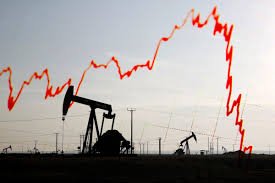
Global financial markets fell sharply on Tuesday, with equity indexes across Asia and futures in the United States sliding, as escalating geopolitical tensions stemming from the US‑Israel military campaign against Iran heightened fears of economic disruption and inflationary pressure, Reuters reported. The broad MSCI Asia‑Pacific index dropped nearly 3%, led by a 7.2% plunge in Korean stocks and a 3.1% decline in Japan’s Nikkei 225, while S&P 500 e‑mini futures were down about 0.9%. Analysts said rising crude and liquefied natural gas (LNG) prices linked to the conflict’s impact on energy supply were weighing heavily on investor sentiment.
Brent crude oil reached about $79.50 a barrel, and LNG freight costs surged, reflecting worries about supply disruptions, particularly around the Strait of Hormuz, where shipping has been severely disrupted amid hostilities. Higher energy costs are now seen as a key risk to corporate profit margins and global inflation, complicating monetary policy decisions by major central banks, including the U.S. Federal Reserve. Goldman Sachs analysts estimated that a sustained 20% rise in Brent could trim regional earnings by roughly 2%, depending on the duration of the conflict.
While pressure on equities built, several investors sought traditional safe havens: the U.S. dollar strengthened and bond markets experienced mixed flows as traders weighed inflation expectations against growth concerns. Some market participants cautioned that although the current sell‑off reflects geopolitical risk aversion, it may not necessarily signal a broader systemic financial crisis, depending on how the conflict evolves and whether energy supply conditions stabilize.