

Introduction
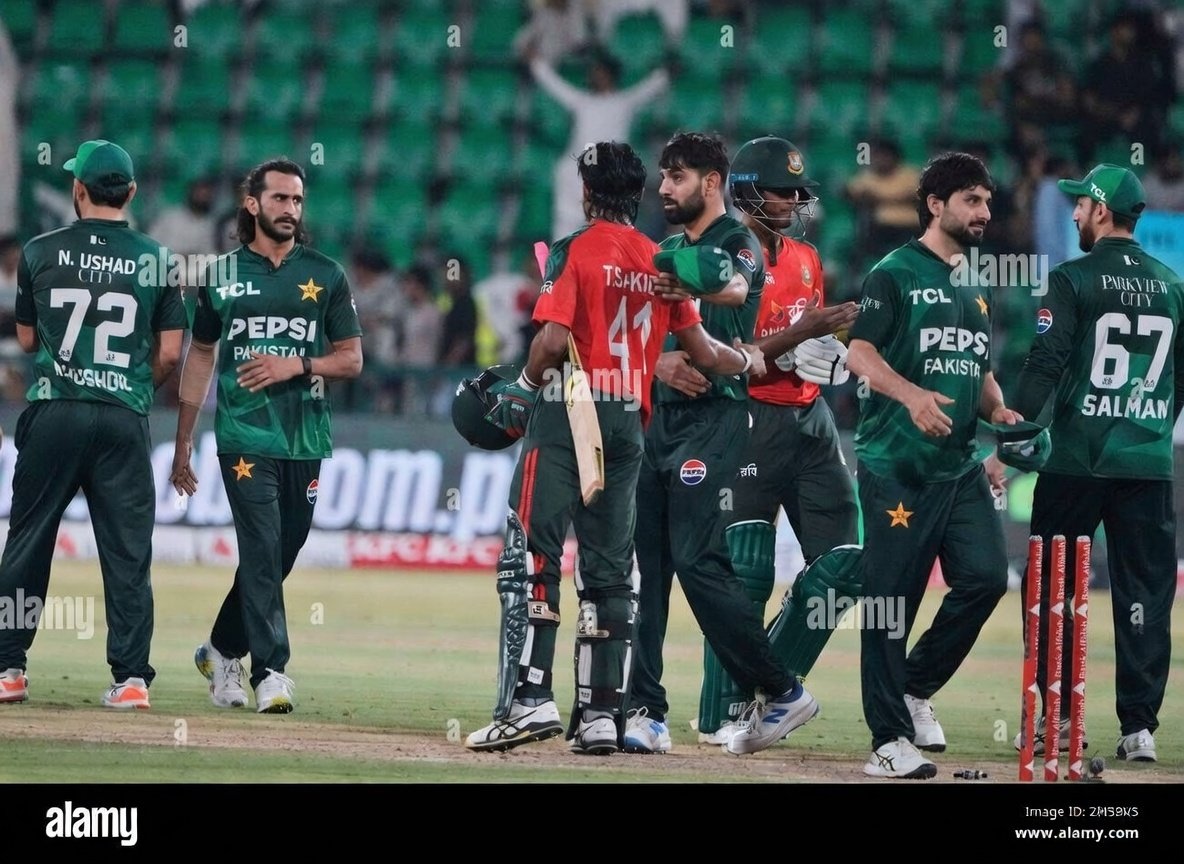
In the ever-evolving landscape of international cricket, where politics and sport often intertwine, a recent episode has highlighted the shifting dynamics of power within the game. The 2026 ICC Men’s T20 World Cup, co-hosted by India and Sri Lanka, became the stage for a diplomatic showdown that placed Pakistan at the forefront of a principled challenge against perceived Indian dominance. When Bangladesh withdrew from the tournament citing security concerns in India, and the International Cricket Council (ICC) rejected their request to relocate matches to Sri Lanka, Pakistan stepped forward in solidarity. By initially announcing a boycott of their high-profile match against India scheduled for February 15 in Colombo, Pakistan not only drew global attention to the issue but also forced the ICC and the Board of Control for Cricket in India (BCCI) into a defensive position for the first time in recent memory. This move underscored Pakistan’s moral and diplomatic triumph, as it challenged the long-standing hegemony exerted by India through its financial clout in the ICC. Under the leadership of Pakistan Cricket Board (PCB) Chairman Mohsin Naqvi, this stance amplified the voices of smaller Test-playing nations like Bangladesh and Sri Lanka, emphasizing unity against unfair practices. This article explores the events, their implications, the strengths of these nations in Test cricket, and how Pakistan’s actions have reshaped the cricketing narrative.
The Background: A History of Unequal Treatment
To understand the significance of Pakistan’s recent actions, one must revisit the 2025 ICC Champions Trophy, hosted by Pakistan. India, citing security concerns, refused to travel to Pakistan, leading the ICC to adopt a “hybrid model” where India’s matches were shifted to the United Arab Emirates (UAE). This decision not only undermined Pakistan’s hosting rights but also highlighted the ICC’s apparent deference to India’s demands, driven by the BCCI’s overwhelming financial influence. The BCCI, controlling a significant portion of global cricket revenue through the Indian Premier League (IPL) and broadcasting deals, has often been accused of dictating terms to the ICC, prioritizing Indian interests over the sport’s equitable growth.
Fast-forward to the 2026 T20 World Cup, and the tables turned in a dramatic reversal. Bangladesh, facing escalating political tensions with India, expressed genuine security risks for their team and fans if required to play in India. The Bangladesh Cricket Board (BCB) requested that all their matches be moved to co-host Sri Lanka, a reasonable plea given the co-hosting arrangement. However, the ICC, under pressure from the BCCI, rejected this outright, leading to Bangladesh’s expulsion from the tournament and replacement by Scotland. This decision exposed glaring double standards: when India refused to play in Pakistan in 2025, accommodations were made, but Bangladesh’s similar concerns were dismissed as untenable. Critics argue this reflects India’s hegemonic control, where the BCCI uses its economic leverage to bully smaller boards, stifling the spirit of fairness that should define cricket.
India’s role in this saga paints a negative picture of a nation that, while boasting immense talent and resources, often prioritizes political posturing over sporting integrity. The BCCI’s alleged involvement in pressuring IPL franchises to release Bangladeshi players, such as Mustafizur Rahman, further escalated tensions, suggesting a pattern of using commercial power to influence international decisions. Such actions not only alienate fellow Asian nations but also undermine the ICC’s credibility as an impartial governing body.
Pakistan’s Principled Stance and Diplomatic Victory
In response to Bangladesh’s ouster, Pakistan took a bold, principled stance. The Pakistan government, in consultation with the PCB, announced that their national team would boycott the February 15 match against India in Colombo as a show of solidarity with Bangladesh. This decision was not driven by self-interest but by a commitment to justice within the cricketing fraternity. PCB Chairman Mohsin Naqvi, who also serves as Pakistan’s Interior Minister, played a pivotal role in articulating this position. He emphasized that Pakistan’s aim was solely to secure “respect” for Bangladesh and highlight the injustice done to them, stating, “We did nothing for ourselves.” Naqvi’s leadership was evident in his unflinching rhetoric, where he invoked national resolve, asserting that Pakistan would not be intimidated by threats from the ICC or India. His reference to Pakistan’s military leadership underscored a broader sense of national pride and fearlessness in standing up to perceived bullies.
This boycott announcement sent shockwaves through the cricketing world, placing the ICC and BCCI on the back foot for the first time. The move disrupted the tournament’s marquee fixture, which generates massive revenue, forcing urgent negotiations. Sri Lanka, as co-host, appealed to Pakistan to reconsider, citing potential economic losses in tourism and hospitality. Even Bangladesh, through the BCB, requested Pakistan to proceed with the match, appreciating the solidarity but prioritizing the sport’s continuity. Following constructive dialogues, the ICC assured no sanctions against Bangladesh and addressed their concerns, leading Pakistan to reverse the boycott.
Pakistan’s actions yielded both moral and diplomatic success. By acknowledging Pakistan’s role, Sri Lanka and Bangladesh not only validated the principled stand but also demonstrated emerging unity among South Asian boards against Indian dominance. This event marked a rare instance where the BCCI’s influence was publicly challenged, exposing the vulnerabilities in India’s hegemonic approach. Naqvi’s astute handling, balancing firm advocacy with pragmatic resolution deserves appreciation. As a multifaceted leader, he navigated the intersection of sport and politics with skill, ensuring Pakistan emerged as a champion of equity without compromising its dignity.
Strengths of Pakistan, Bangladesh, and Sri Lanka as Test Nations
Amid this controversy, it is essential to recognize the cricketing strengths of Pakistan, Bangladesh, and Sri Lanka as full-fledged Test-playing nations. These countries have contributed richly to the longest format of the game, showcasing resilience, talent, and innovation despite resource disparities compared to powerhouses like India.
Pakistan stands out for its storied history in Test cricket, with 434 centuries scored in 467 Tests, achieving an impressive rate of 0.929 tons per match. Known for producing elegant batsmen like Babar Azam and Mohammad Rizwan, Pakistan excels in technical finesse and mental fortitude. Their pace bowling attack, featuring legends like Wasim Akram and contemporary stars like Shaheen Afridi, has dismantled oppositions worldwide. Pakistan’s ability to thrive in diverse conditions, from seaming pitches abroad to spinning tracks at home, underscores their adaptability and flair, making them a formidable Test nation.
Bangladesh, since gaining Test status in 2000, has shown steady progress with 87 centuries in 154 Tests. Their strength lies in home dominance, where spinners like Shakib Al Hasan and Taijul Islam exploit turning pitches effectively. Batsmen such as Mushfiqur Rahim and Litton Das have provided consistency, enabling memorable victories against stronger teams. Bangladesh’s rise reflects a commitment to grassroots development, transforming them from underdogs to competitive forces, particularly in subcontinental conditions.
Sri Lanka, debuting in Tests in 1982, has achieved rapid success with 309 centuries in 327 matches. Their legacy includes the 1996 ODI World Cup win and consistent Test performances, driven by spin wizards like Muttiah Muralitharan and batting greats like Kumar Sangakkara. Sri Lanka’s balanced approach combining aggressive batting, versatile bowling, and tactical acumen has allowed them to punch above their weight. Their ability to produce match-winners in all formats highlights a robust domestic system that fosters talent.
These nations’ strengths in Test cricket rooted in skill, strategy, and perseverance contrast sharply with India’s reliance on financial muscle, reminding the world that true cricketing value lies beyond monetary power.
Conclusion
The recent cricket impasse surrounding the 2026 T20 World Cup represents a watershed moment in the sport’s governance. Pakistan’s principled stance, supported by acknowledgments from Sri Lanka and Bangladesh, has successfully challenged Indian hegemony within the ICC, marking the first time the BCCI and ICC have been forced onto the defensive. By prioritizing solidarity and justice over immediate gains, Pakistan achieved moral authority and diplomatic leverage, ensuring Bangladesh received the respect it deserved without facing sanctions. Mohsin Naqvi’s leadership exemplifies how bold, ethical decision-making can reshape power dynamics, inspiring smaller boards to unite against inequities.
This episode underscores the need for reform in cricket’s global structure, where financial dominance should not eclipse fairness. The strengths of Pakistan, Bangladesh, and Sri Lanka as Test nations evident in their historical achievements and ongoing contributions affirm their vital role in preserving the game’s diversity. As cricket moves forward, this challenge to Indian overreach may foster a more balanced ecosystem, where all nations, regardless of economic might, can thrive. Ultimately, Pakistan’s triumph is a victory for the spirit of cricket, proving that principled defiance can indeed shift the balance of power.
E mail <murreeblues@gmail.com>
References
- Al Jazeera. “India now sets the terms of global cricket.” Accessed February 11, 2026.
- The Independent. “Inside the geopolitical drama threatening to overshadow T20 Cricket World Cup.” Accessed February 11, 2026.
- Wisden. “‘Protecting The Spirit Of Cricket’ – Pakistan Government Withdraws Boycott Of India T20 World Cup Game.” Accessed February 11, 2026.
- Firstpost. “How Bangladesh, Sri Lanka nudged Pakistan to make U-turn, play vs India in T20 World Cup.” Accessed February 11, 2026.
- Times of India. “India vs Pakistan to go ahead at T20 World Cup: It’s all about the money, honey!” Accessed February 11, 2026.
- India Today. “Pak had no personal interest in ICC talks: Mohsin Naqvi refutes rejection claims.” Accessed February 11, 2026.
- Hindustan Times. “Mohsin Naqvi, the politician, trumps the cricket administrator: The politics behind Pakistan’s T20 World Cup U-turn.” Accessed February 11, 2026.
- Cricket365. “Test cricket’s century count: England primed to increase lead over Australia.” Accessed February 11, 2026.
Bibliography
- The New York Times. “India, Pakistan, Bangladesh and the political tensions undermining cricket’s T20 World Cup.” February 8, 2026.
- Al Jazeera. “India now sets the terms of global cricket.” February 7, 2026.
- The Independent. “Inside the geopolitical drama threatening to overshadow T20 Cricket World Cup.” Accessed February 10, 2026.
- Wisden. “‘Protecting The Spirit Of Cricket’ – Pakistan Government Withdraws Boycott Of India T20 World Cup Game.” February 9, 2026.
- The Federal. “Boycott bouncer bounced back: Profit prevails, IND vs PAK is on!” February 11, 2026.
- Firstpost. “How Bangladesh, Sri Lanka nudged Pakistan to make U-turn, play vs India in T20 World Cup.” February 10, 2026.
- Times of India. “India vs Pakistan to go ahead at T20 World Cup: It’s all about the money, honey!” February 11, 2026.
- The News. “Pak-India T20 WC clash on track as PM drops boycott plan after BD, SL request.” February 10, 2026.
- The Straits Times. “‘A new low’: Heartbreak for India, Pakistan cricket fans as T20 World Cup match set to be abandoned.” February 10, 2026.
- Wikipedia. “2025 ICC Champions Trophy.” Accessed February 10, 2026.
- NDTV Sports. “Mohsin Naqvi Under Fire As Pakistan’s India Match U-Turn Deepens Crisis.” February 10, 2026.
- India Today. “Pak had no personal interest in ICC talks: Mohsin Naqvi refutes rejection claims.” February 10, 2026.
- Hindustan Times. “Mohsin Naqvi, the politician, trumps the cricket administrator: The politics behind Pakistan’s T20 World Cup U-turn.” February 10, 2026.
- YouTube (WION News). “PCB’s Mohsin Naqvi Bizarrely Mentions Pak Army Chief in T20 World Cup Speech.” February 10, 2026.
- Arab News. “Pakistan cricket chief says boycott of India match aimed at restoring Bangladesh’s dignity.” February 10, 2026.
- Moneycontrol. “Pakistan holds cricket hostage: Mohsin Naqvi invokes Army chief over India T20 clash, says ‘Asim Munir is never afraid’.” February 10, 2026.
- Cricket365. “Test cricket’s century count: England primed to increase lead over Australia.” November 16, 2025.
Disclaimer: The views and opinions expressed in this article are solely those of the author and do not necessarily reflect the views, policies, or position of this website. The website does not endorse or oppose any opinion presented herein.

1 Comment
A thoughtful piece of scholarship by Dr Arif Hayat unearthing crucial dimensions of Indian unilateral actions carrying grave risks of dangerous escalation between the nuclear armed South Asian neighbours