

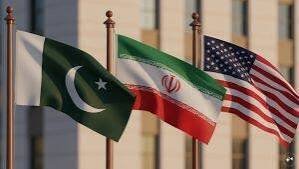
Tehran: Pakistan and Iran discussed measures to prevent further escalation in the Middle East, reopen the Strait of Hormuz and expedite an end to the ongoing US-Iran conflict during Chief of Defence Forces and Chief of Army Staff Field Marshal Syed Asim Munir’s meetings with senior Iranian officials on Tuesday, according to the Inter-Services Public Relations (ISPR).
Munir Holds Talks With Iranian Leadership
During his day-long visit to Tehran, Field Marshal Munir met Iranian President Masoud Pezeshkian, Supreme National Security Council representative Mohsen Rezaei, Parliament Speaker Bagher Ghalibaf, Foreign Minister Abbas Araghchi and Interior Minister Eskandar Momeni.
ISPR said the discussions focused on preventing further escalation, reopening the Strait of Hormuz and achieving an expedited termination of the conflict. The two sides also exchanged views on regional peace and a negotiated settlement to the disputes.
Interior Minister Mohsin Naqvi, who accompanied Munir, described his meeting with President Pezeshkian as “very positive and productive” and said the discussions addressed the conflict, regional tensions and steps required to restore the Islamabad memorandum of understanding for a comprehensive settlement.
Pakistan Says Significant Progress Made
Naqvi said Pakistan had made “significant progress” in its efforts to help end the US-Iran conflict and expressed hope that the latest diplomatic momentum would contribute to further negotiations and lasting regional peace.
The visit came as tensions increased following Washington’s announcement of expanded sanctions against Iran. The U.S. Treasury announced sanctions targeting 60 individuals, entities and vessels and warned countries continuing to conduct business with Iran that they could face restrictions affecting access to the dollar-based financial system.
Iran has rejected the measures and warned of retaliation. Iranian Economy Minister Ali Madanizadeh said Tehran was prepared to respond to the sanctions, while an Islamic Revolutionary Guard Corps spokesperson warned of attacks against U.S. interests and energy chokepoints if Iranian infrastructure is threatened.