

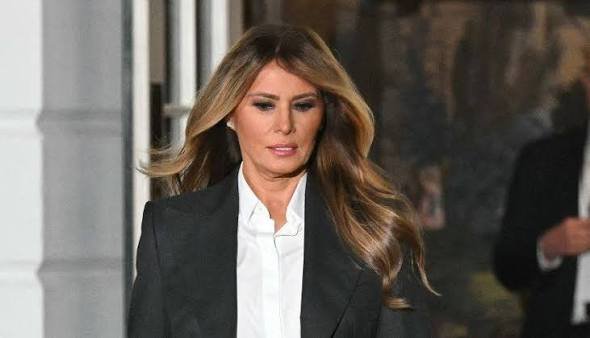
How is Melania Trump expanding her foster youth initiative?
First lady Melania Trump has expanded her “Fostering the Future” initiative with a new $2 million scholarship program for young adults transitioning out of foster care, launched Thursday in partnership with IndyCar and Fox Corporation at the White House Rose Garden.
The initiative has become a central focus of her second-term policy agenda. Since returning to the White House, Trump has backed a presidential executive order on foster care, supported savings accounts for children in foster care and helped secure $25 million in the 2026 federal budget for housing and support for young people leaving the system.
Her office has also increased engagement with federal agencies and Congress on housing, education, training and employment programs for foster youth. Advocates say her involvement has helped accelerate action on policies such as kin licensure, which makes it easier for relatives to become licensed foster parents.
What challenges could limit the initiative’s impact?
Child-welfare experts have broadly welcomed the increased national attention on foster youth but have raised concerns about other administration policies that could undermine the initiative.
Advocates point to reductions or changes affecting safety-net programs such as food assistance and Medicaid, arguing that greater economic insecurity could increase the number of children entering foster care. They have also raised concerns over policies affecting LGBTQ youth, who make up a significant share of the foster-care population.
Despite these tensions, Melania Trump’s foster-care campaign represents a more focused policy role than the broader “Be Best” initiative of her husband’s first term. With a smaller staff but greater emphasis on policy expertise and agency coordination, her office is now seeking to establish a longer-term legacy around foster youth and their transition to education, employment and financial independence.