

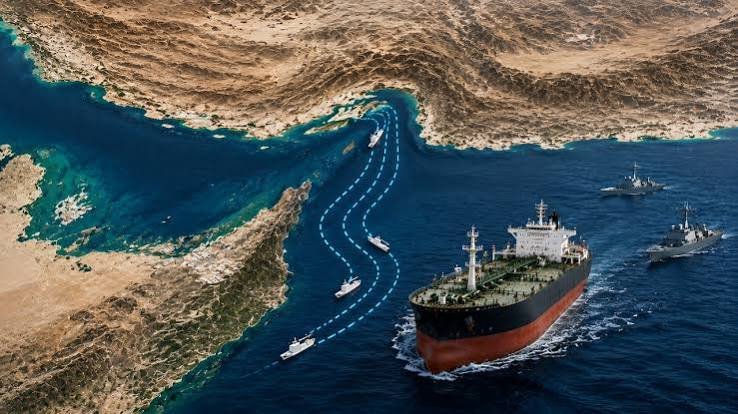
TEHRAN (AFP): Iran and Oman have agreed on the route for ships transiting the Strait of Hormuz and are finalising a joint framework to manage the strategic waterway, Iran said on Wednesday, while maintaining that any broader reopening depends on the United States ending what Tehran describes as its naval blockade of Iranian ports.
Iranian Foreign Ministry spokesperson Esmaeil Baqaei said the geographical coordinates of the proposed shipping route had been agreed upon and that a joint statement between Tehran and Muscat was in the final stages of review and drafting.
The development comes as security concerns continue to affect one of the world’s most important energy corridors.
What Have Iran and Oman Agreed?
According to Baqaei, Iran and Oman have reached agreement on the proposed transit route through the Strait of Hormuz and are completing arrangements for its joint management.
He said the process could move forward provided there was no interference from third parties, adding that the draft joint statement outlining the key points of agreement was nearing completion.
However, Baqaei stressed that any practical easing of restrictions would still depend on the United States ending its naval presence and other actions that Iran says threaten security in the waterway.
Why Does the Strait Remain Under Pressure?
Fresh security incidents underscored continuing risks to maritime traffic in the region. Britain’s maritime security agency, UKMTO, said the captain of an oil tanker reported hearing two explosions while transiting the Strait of Hormuz, although the vessel and its crew remained safe.
Separately, Yemen’s Houthi movement claimed responsibility for missile attacks on two Saudi oil tankers, though Saudi authorities did not immediately comment.
Before the conflict, the Strait of Hormuz handled around one-fifth of global oil and liquefied natural gas (LNG) exports, making it one of the world’s most strategically significant maritime chokepoints.
Meanwhile, US Vice President JD Vance said negotiations with Iran would require time, citing divisions within Iran’s leadership, while Tehran denied that talks with Washington were underway.