

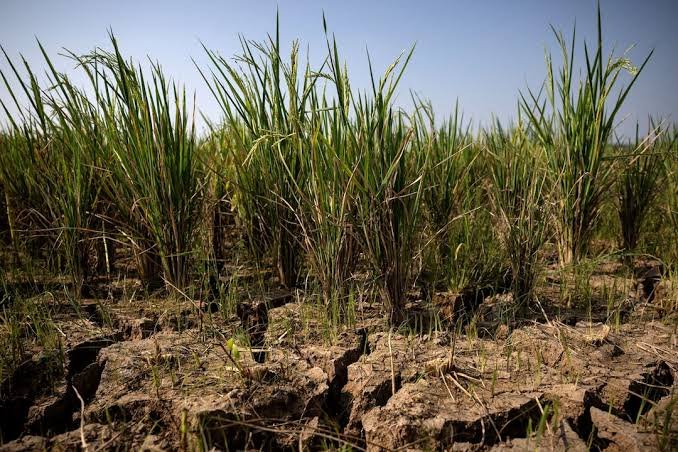
GENEVA: A powerful El Niño weather event could push nearly 49 million additional people into acute food insecurity by the end of next year, raising the global total to 274 million people across 45 vulnerable countries, the United Nations’ World Food Programme (WFP) warned on Wednesday.
In a new report, the WFP said there is an 81% probability of a very strong El Niño developing, with Pacific Ocean sea surface temperatures reaching their highest levels since at least 1982. If realised, it could become the strongest El Niño event recorded since 1950.
El Niño is a naturally occurring climate pattern that alters global weather systems and is often associated with drought in Southern Africa, delayed monsoon rains in parts of Asia and irregular rainfall in other regions.
Which regions are expected to face the greatest food security risks?
According to the WFP, Central America and Southern Africa are expected to be among the hardest-hit regions.
The agency projects that the number of people facing acute food insecurity could increase by 83% in Central America and nearly 75% in Southern Africa. Southern Africa, South America and the Caribbean could each see more than 12 million additional people fall into crisis-level hunger.
The report also warned of rainfall deficits in parts of East Africa, the Sahel, Central America and the Caribbean, while flood risks could increase in Somalia and neighbouring countries. Significant agricultural disruptions are also expected across South and Southeast Asia due to drought, irregular monsoon patterns and localized flooding.
Why is the WFP calling for urgent action?
WFP officials warned that governments and humanitarian agencies must act early to reduce the humanitarian impact of the anticipated weather event.
Jean-Martin Bauer, Director of the WFP’s Food Security and Nutrition Analysis Service, said previous strong El Niño events had triggered widespread hunger in vulnerable regions. While global food supplies remain relatively stable following strong harvests in 2025, he cautioned that ongoing conflicts and weather-related crop losses could drive food prices higher.
The agency also warned that reductions in funding from major donors have weakened food security monitoring efforts. Household food security surveys have declined significantly over the past two years, limiting the ability to identify emerging hunger crises quickly.
The WFP said it has expanded anticipatory action programmes in 18 countries, reaching more than 1.3 million people this year through cash assistance and other support aimed at reducing the impact of extreme weather. However, it stressed that additional international support would be needed to help vulnerable communities prepare for the potential humanitarian consequences of a severe El Niño event.