

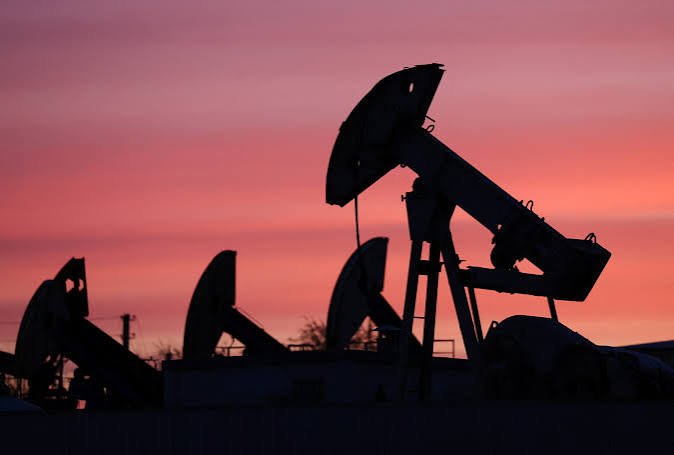
Oil prices fell around 1% on Thursday, marking a third consecutive day of losses, after Qatar announced that Iran and the United States had made “positive progress” during indirect negotiations focused on the Strait of Hormuz, a vital maritime corridor through which nearly one-fifth of the world’s oil supply transited before the recent conflict.
Brent crude futures declined 77 cents, or 1.1%, to $70.80 per barrel by 0256 GMT, while US West Texas Intermediate (WTI) crude fell 84 cents, or 1.2%, to $67.74 per barrel. Both benchmarks had already dropped more than 1% in the previous session, reaching their lowest levels in four months.
What emerged from the Doha negotiations?
According to a spokesperson for Qatar’s Ministry of Foreign Affairs, the indirect talks in Doha produced “positive progress” on issues related to the memorandum that ended hostilities in June.
While the discussions signaled improved communication between Tehran and Washington, officials indicated that no breakthrough had yet been achieved toward a comprehensive or long-term peace agreement.
Why are oil markets reacting positively?
Market sentiment improved as traders interpreted the continued reopening of the Strait of Hormuz as a sign that disruptions to global crude exports are unlikely in the near term.
Analysts at Haitong Futures said uninterrupted oil shipments through the strategic waterway have strengthened expectations of a global supply surplus, intensifying competition among producers and exerting downward pressure on prices.
Could OPEC+ further increase global oil supply?
Adding to bearish market sentiment, OPEC+ is widely expected to approve another increase in production targets when member states meet on Sunday, according to industry sources.
A higher production ceiling would further increase global supply at a time when geopolitical risks appear to be easing.
How have financial institutions revised their outlook?
Swiss bank UBS lowered its Brent crude price forecasts following the Iran-US memorandum of understanding and the subsequent recovery in oil exports through the Strait of Hormuz.
The bank reduced its average Brent forecast for the September quarter by $25 per barrel and for the December quarter by $10. UBS now expects Brent to average around $80 per barrel during the second half of the year and $75 per barrel in 2027.
Despite the downgrade, UBS cautioned that risks remain tilted to the upside, noting that the number of oil tankers entering the Persian Gulf continues to lag behind outbound shipments, suggesting that supply conditions have not fully normalized.
What comes next in the Iran-US diplomatic process?
Qatar’s Foreign Ministry stated that the next round of indirect negotiations between Iranian and US officials will take place after the funeral ceremonies for Iran’s late Supreme Leader, Ayatollah Ali Khamenei, scheduled for July 9.
Although recent talks have helped calm energy markets, investors remain focused on whether diplomatic engagement can translate into a durable agreement capable of reducing long-term geopolitical risks in the Gulf region.