

BEIJING/SINGAPORE: Oil prices extended losses on Thursday, falling to their lowest levels in nearly four months as concerns over Middle East supply disruptions continued to ease following a ceasefire accord between the United States, Israel, and Iran.
Brent crude futures for August delivery fell $1.22, or 1.7%, to $72.52 a barrel by 0337 GMT, while U.S. West Texas Intermediate (WTI) crude declined $1.02, or 1.5%, to $69.32 a barrel. Both benchmarks touched their lowest levels since February 27.
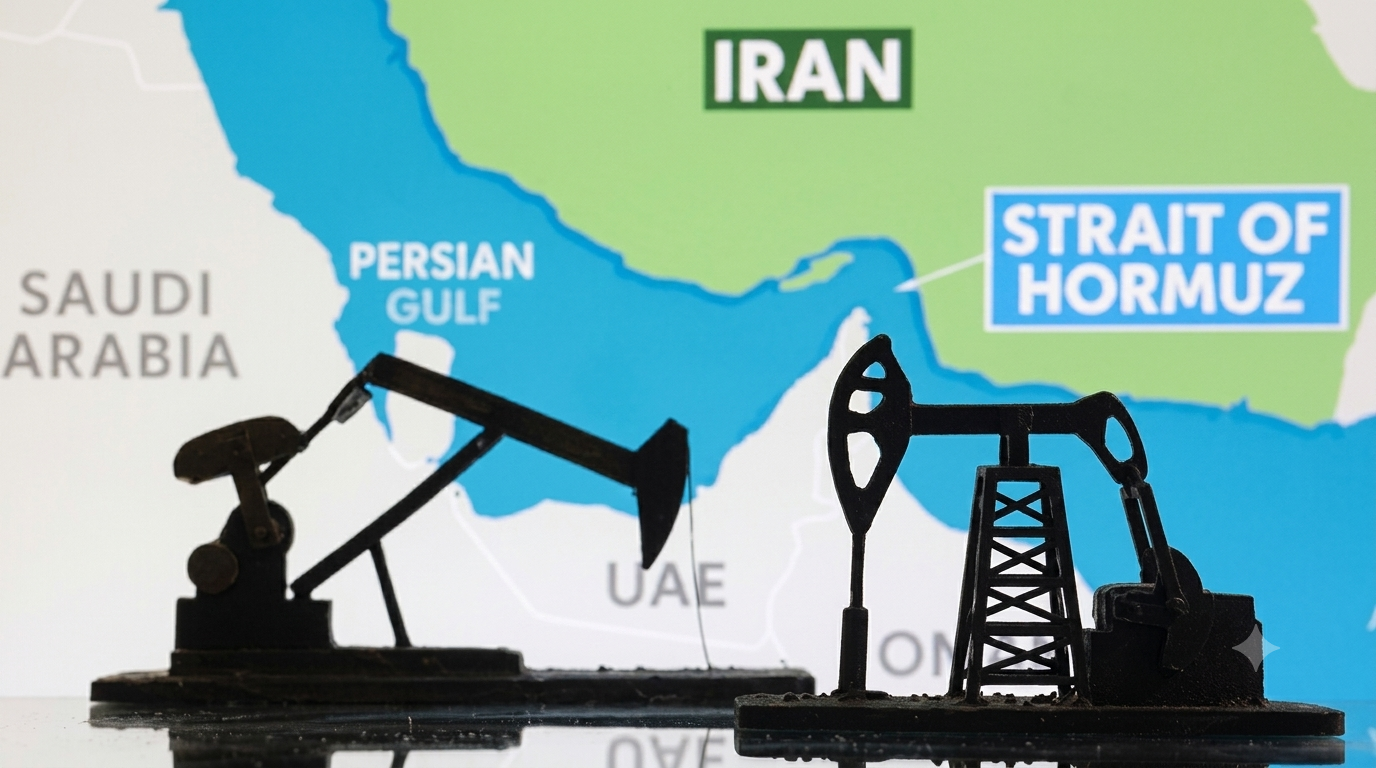
The declines came as markets increasingly priced in a faster-than-expected return of oil supplies from the Middle East, particularly through the Strait of Hormuz, a critical route for global energy shipments.
U.S. Energy Secretary Chris Wright said on Wednesday that crude flows through the Strait of Hormuz had nearly returned to pre-war levels, with more than 20 million barrels transported through the waterway over the previous 24 hours.
“Complete normalisation will take a few weeks because the strait still needs to be demined,” Wright said, adding that oil exports would continue even if ongoing diplomatic negotiations between Washington and Tehran fail to produce a lasting agreement.
Oil prices have fallen sharply since an initial accord last week ended hostilities between the United States, Israel, and Iran, reducing fears of prolonged disruptions to energy exports from the Gulf region.
The agreement established a 60-day negotiating period aimed at addressing broader issues, including Iran’s nuclear programme, while allowing commercial shipping activity through the Strait of Hormuz to resume.
Additional downward pressure came from expectations that Iran could increase crude exports following a temporary easing of U.S. sanctions, boosting supply availability in global markets.
Regional efforts to stabilize maritime traffic also gathered pace. Oman announced temporary shipping routes to facilitate tanker movements through the Strait of Hormuz, while Gulf states continued discussions on future management of the strategic waterway.
Analysts said improving supply conditions have shifted market attention away from geopolitical risks and toward expectations of adequate global crude availability.
Macquarie analysts forecast Brent crude to average $67 per barrel and WTI $62 per barrel during the third quarter, significantly below second-quarter averages of $94 and $87, respectively.
Despite a report from the U.S. Energy Information Administration showing domestic crude inventories fell last week to their lowest level since 1984, traders largely ignored the data as attention remained focused on the rapid recovery of oil flows through the Strait of Hormuz.
The easing of supply concerns has effectively erased much of the geopolitical risk premium that drove prices higher during the conflict, pushing both major oil benchmarks back toward levels seen before the outbreak of hostilities.