

Introduction
In an era marked by persistent regional instability, the sovereignty and security of nations are increasingly challenged by non-state actors operating across porous borders. On February 22, 2026, Pakistan conducted precision airstrikes in eastern Afghanistan, targeting militant hideouts linked to the Tehrik-e-Taliban Pakistan (TTP) and its affiliates. This operation, executed during the holy month of Ramadan, was a calculated retaliation to a series of deadly attacks within Pakistan, including suicide bombings in Islamabad, Bajaur, and Bannu that claimed dozens of lives. Far from an act of aggression, these strikes underscore Pakistan’s unwavering commitment to defending its territorial integrity against externally harbored threats. By neutralizing key terrorist elements, Pakistan not only addressed immediate security imperatives but also highlighted the broader geopolitical dynamics at play, including the alleged involvement of external powers in fostering proxy warfare. This article examines the operation’s details, the entrenched terrorist infrastructure in Afghanistan, and the purported role of India in sponsoring such elements, framing Pakistan’s actions as a necessary assertion of national defense in a volatile South Asian context.
The Context of Escalating Threats
The Afghanistan-Pakistan border, historically contested and fluid, has long served as a conduit for militant activities. Since the Taliban’s return to power in 2021, Pakistan has repeatedly voiced concerns over the Afghan interim government’s inability or unwillingness to curb the operations of anti-Pakistan groups. Recent intelligence assessments indicate a surge in cross-border incursions, with the TTP, also known as Fitna al-Khawarij, claiming responsibility for multiple high-profile attacks. For instance, the February 7, 2026, suicide bombing at a Shia mosque in Islamabad resulted in over 30 fatalities, followed by vehicle-borne explosions in Bajaur and Bannu that killed soldiers and civilians alike. These incidents, occurring amid Ramadan, amplified domestic outrage and necessitated a robust response.
Pakistan’s military doctrine emphasizes preemptive action against existential threats, particularly when diplomatic overtures fail. Despite repeated engagements with Kabul, including appeals for joint counterterrorism frameworks, the Afghan side has provided scant verifiable action against TTP sanctuaries. United Nations reports corroborate Pakistan’s assertions, noting the Taliban’s tacit support for affiliated jihadist networks, which exacerbates regional insecurity. In this milieu, the February 22 strikes represent a strategic pivot toward kinetic deterrence, aimed at degrading terrorist capabilities and signaling resolve to both internal and external adversaries.
Details of the Operation and Neutralized Threats
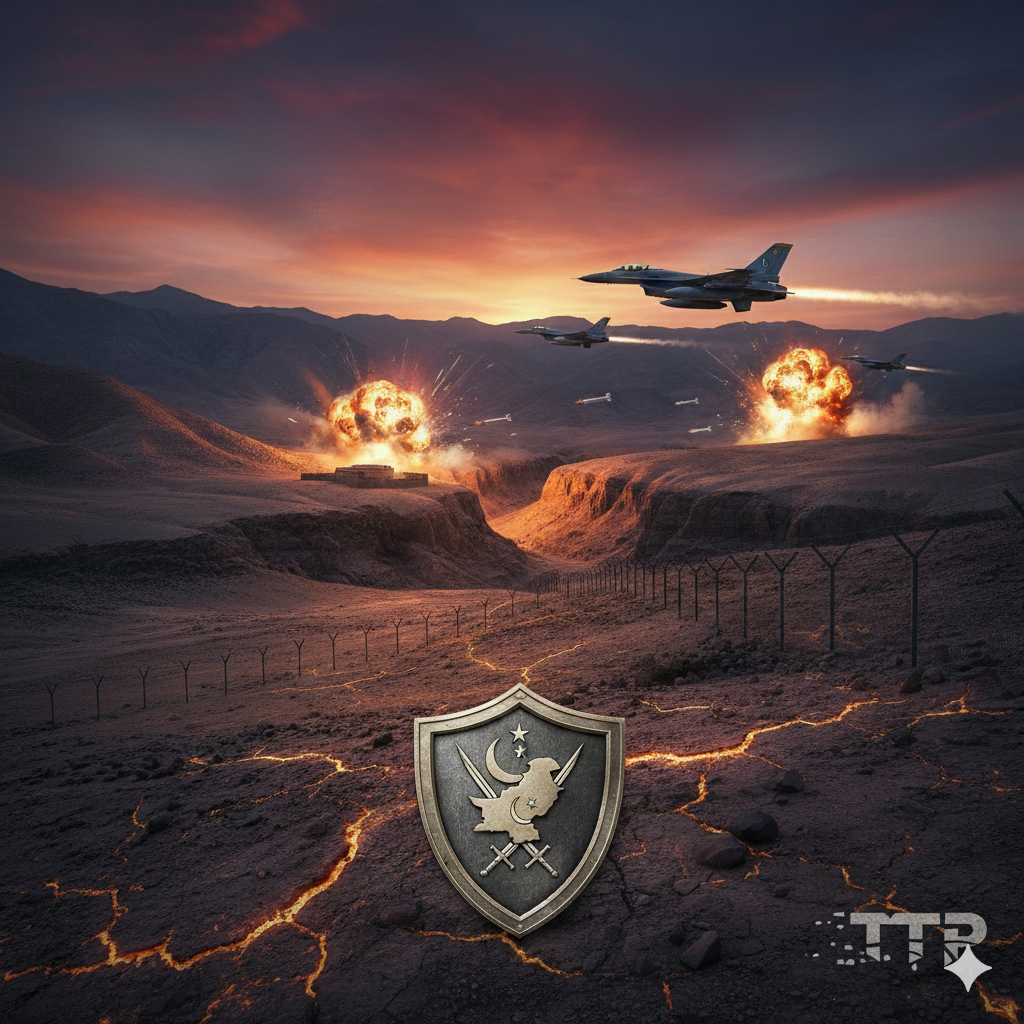
The airstrikes, conducted by the Pakistan Air Force (PAF), targeted seven militant camps and hideouts in Afghanistan’s Nangarhar, Paktika, and Khost provinces. Intelligence-based and selective, the operations utilized precision-guided munitions to minimize collateral damage while maximizing impact on high-value targets. According to Pakistan’s Ministry of Information and Broadcasting, the strikes neutralized over 80 militants, including key commanders from the TTP, Al-Qaeda, and the Hafiz Gul Bahadur group. Initial assessments pegged the toll at 70, but subsequent reports from state media elevated it to 80, underscoring the operation’s efficacy.
Among the eliminated were operatives directly implicated in the recent spate of bombings. For example, TTP affiliates linked to the Islamabad mosque attack were confirmed among the casualties, alongside facilitators of cross-border logistics. The strikes demolished training facilities, weapon stockpiles, and command nodes, disrupting the militants’ operational chain. Pakistani officials, including Deputy Interior Minister Talal Chaudhry, emphasized that these actions were retaliatory, responding to “conclusive evidence” of Afghan-based orchestration. While Afghan authorities claimed civilian casualties, ranging from 13 to 18, including women and children, Pakistan refuted these as exaggerated propaganda, asserting that targets were exclusively militant enclaves. Independent verification remains challenging, but the operation’s intelligence-driven nature aligns with international norms for counterterrorism, as seen in similar U.S. drone campaigns.
This decisive blow not only avenged Pakistani losses but also prevented potential future attacks, as evidenced by subsequent arrests of suspects and averted plots within Pakistan. By targeting leadership and infrastructure, the strikes exemplify Pakistan’s evolving military posture, prioritizing surgical interventions over protracted engagements.
Terrorist Training Sanctuaries in Afghanistan
Afghanistan’s ungoverned spaces have regrettably become fertile ground for terrorist resurgence. United Nations Analytical Support and Sanctions Monitoring Team reports from 2025 detail the establishment of TTP training camps in provinces like Kunar, Nangarhar, Khost, and Paktika, often with Al-Qaeda assistance. These facilities, numbering up to eight new ones in recent years, focus on indoctrination, suicide bomber training, and weapons handling, drawing recruits from both Afghan and Pakistani cadres.
The TTP’s integration with Afghan Taliban elements further complicates the landscape. Reports indicate shared ideological affinities, with Al-Qaeda providing “ideological guidance” and operational multipliers, including madrassas for child recruitment. Such sanctuaries enable the TTP to plan and execute attacks like those in February 2026, exploiting the Pak Afghanistan Boarder porosity. Pakistan’s repeated demands for crackdowns have yielded little, as the Taliban views the TTP as a fraternal entity, reluctant to risk internal schisms.
This permissiveness not only undermines Pakistan’s security but also threatens broader South Asian stability, as these camps foster a nexus of jihadist groups with transnational ambitions. Pakistan’s strikes, therefore, address a critical vulnerability, compelling Afghanistan to confront its role in harboring threats.
India’s Sponsorship of Proxy Elements
A deeper examination reveals external dimensions to this conflict, with Pakistan alleging Indian sponsorship of proxies via Afghan soil. Officials, including Defence Minister Khawaja Asif, have cited intelligence linking India to TTP funding and operations, framing Afghanistan as a conduit for destabilization. This narrative posits that India’s warming ties with the Taliban evidenced by diplomatic upgrades and economic aid serve to encircle Pakistan strategically.
Evidence, includes claims of Indian financing through hawala networks and encrypted channels, paralleling historical patterns like support for Tamil Tigers. Pakistan’s Interior Minister referenced dossiers implicating Indian involvement in Balochistan and Khyber Pakhtunkhwa insurgencies, suggesting a zero-sum geopolitical game. India’s condemnation of the strikes and endorsement of Afghan sovereignty further fuel suspicions, as does the timing of Taliban-India engagements amid escalating violence.
Implications for Regional Security
The strikes portend shifts in regional dynamics, potentially escalating border tensions but also pressuring Afghanistan toward counterterrorism cooperation. With follow-up clashes reported, the risk of broader conflict looms, yet Pakistan’s actions may deter future attacks, as seen in reduced militant activity post-operation. Internationally, the episode highlights the need for multilateral frameworks to address safe havens, urging powers like China and Russia to mediate.
For Pakistan, this affirms a doctrine of active defense, balancing restraint with resolve. However, sustained diplomacy remains essential to prevent cyclical violence.
Conclusion
Pakistan’s February 22, 2026, airstrikes represent a principled stand against terrorism, eliminating over 80 militants and dismantling key infrastructure in Afghanistan. By addressing TTP training camps and exposing alleged Indian proxy sponsorship, Islamabad has asserted its right to self-defense amid escalating threats. While challenges persist, including civilian casualty claims and geopolitical rivalries, these actions pave the way for enhanced security and regional dialogue. Ultimately, Pakistan’s resolve exemplifies the imperative of sovereign vigilance in an interconnected yet fractured world, fostering hope for a terrorism-free South Asia through collective accountability.
References
- Al Jazeera. (2026, February 22). Afghanistan promises ‘appropriate response’ after deadly Pakistani strikes.
- NPR. (2026, February 22). Pakistan claims to have killed at least 70 militants in strikes along Afghan border.
- BBC. (2026, February 22). Pakistan launches deadly strikes on Afghanistan.
- Wikipedia. (2026). 2026 Pakistani airstrikes in Afghanistan.
- Al Jazeera. (2026, February 24). New Afghan, Pakistani border clashes follow deadly strikes.
- Reuters. (2026, February 24). What’s behind the latest tension between Afghanistan and Pakistan?
- Reuters. (2026, February 25). Pakistan wary of militant attacks after Afghanistan air strikes.
- SATP. (2026, February 22). Over 80 militants killed in airstrikes on seven camps along Pakistan-Afghanistan border.
- Long War Journal. (2025, February 13). Pakistani and Tajik Taliban open training camps in Afghanistan.
- Soufan Center. (2025, November 21). Tensions Between Afghanistan and Pakistan Destabilize South Asia Further.
- CNAS. (2026, February 20). Afghanistan Under Taliban Rule Makes the World Less Safe.
- Al Jazeera. (2026, February 24). Afghanistan bombing: What’s Pakistan’s strategy as India-Taliban ties grow?
- Eurasia Review. (2026, February 12). How Afghanistan Became The Backdrop For Terror Returning To Pakistan – OpEd.
- Firstpost. (2026, February 22). India Condemns Pakistani Airstrikes In Afghanistan, Backs Kabul’s Sovereignty.
- India Today. (2026, February 23). Is Pakistan blaming India to hide the Afghan war it started with its own hands?
Bibliography
- Al Jazeera Staff. (2026). Afghanistan promises ‘appropriate response’ after deadly Pakistani strikes. Al Jazeera. Retrieved from https://www.aljazeera.com/news/2026/2/22/pakistan-carries-out-strikes-in-afghanistan-after-islamabad-suicide-attack
- NPR Staff. (2026). Pakistan claims to have killed at least 70 militants in strikes along Afghan border. NPR. Retrieved from https://www.npr.org/2026/02/22/nx-s1-5722854/pakistan-border-strikes-afghanistan-70-killed
- BBC News. (2026). Pakistan launches deadly strikes on Afghanistan. BBC. Retrieved from https://www.bbc.com/news/articles/cdxgln3gnd6o
- Wikipedia Contributors. (2026). 2026 Pakistani airstrikes in Afghanistan. Wikipedia. Retrieved from https://en.wikipedia.org/wiki/2026_Pakistani_airstrikes_in_Afghanistan
- AFP and Reuters. (2026). New Afghan, Pakistani border clashes follow deadly strikes. Al Jazeera. Retrieved from https://www.aljazeera.com/news/2026/2/24/fresh-afghan-pakistani-border-clashes-follow-deadly-strikes
- Reuters Staff. (2026). What’s behind the latest tension between Afghanistan and Pakistan? Reuters. Retrieved from https://www.reuters.com/world/asia-pacific/whats-behind-latest-tension-between-afghanistan-pakistan-2026-02-24
- Reuters Staff. (2026). Pakistan wary of militant attacks after Afghanistan air strikes. Reuters. Retrieved from https://www.reuters.com/world/asia-pacific/pakistan-wary-militant-attacks-after-afghanistan-air-strikes-2026-02-25
- SATP. (2026). Over 80 militants killed in airstrikes on seven camps along Pakistan-Afghanistan border. SATP. Retrieved from https://www.satp.org/terrorism-update/over-80-militants-killed-in-airstrikes-on-seven-camps-along-pakistan-afghanistan-border
- Roggio, B. (2025). Pakistani and Tajik Taliban open training camps in Afghanistan. Long War Journal. Retrieved from https://www.longwarjournal.org/archives/2025/02/pakistani-and-tajik-taliban-open-training-camps-in-afghanistan.php
- Soufan Center. (2025). Tensions Between Afghanistan and Pakistan Destabilize South Asia Further. Soufan Center. Retrieved from https://thesoufancenter.org/intelbrief-2025-november-21
- CNAS Staff. (2026). Afghanistan Under Taliban Rule Makes the World Less Safe. CNAS. Retrieved from https://www.cnas.org/publications/commentary/afghanistan-under-taliban-rule-makes-the-world-less-safe
- Al Jazeera Staff. (2026). Afghanistan bombing: What’s Pakistan’s strategy as India-Taliban ties grow? Al Jazeera. Retrieved from https://www.aljazeera.com/news/2026/2/24/afghanistan-bombing-whats-pakistans-strategy-as-india-taliban-ties-grow
- Eurasia Review. (2026). How Afghanistan Became The Backdrop For Terror Returning To Pakistan – OpEd. Eurasia Review. Retrieved from https://www.eurasiareview.com/12022026-how-afghanistan-became-the-backdrop-for-terror-returning-to-pakistan-oped
- Firstpost Staff. (2026). India Condemns Pakistani Airstrikes In Afghanistan, Backs Kabul’s Sovereignty. Firstpost. Retrieved from https://www.firstpost.com/world/india-condemns-pakistani-airstrikes-in-afghanistan-backs-kabuls-sovereignty-13982541.html
Disclaimer: The views and opinions expressed in this article are solely those of the author and do not necessarily reflect the views, policies, or position of this website. The website does not endorse or oppose any opinion presented herein.
