

Introduction
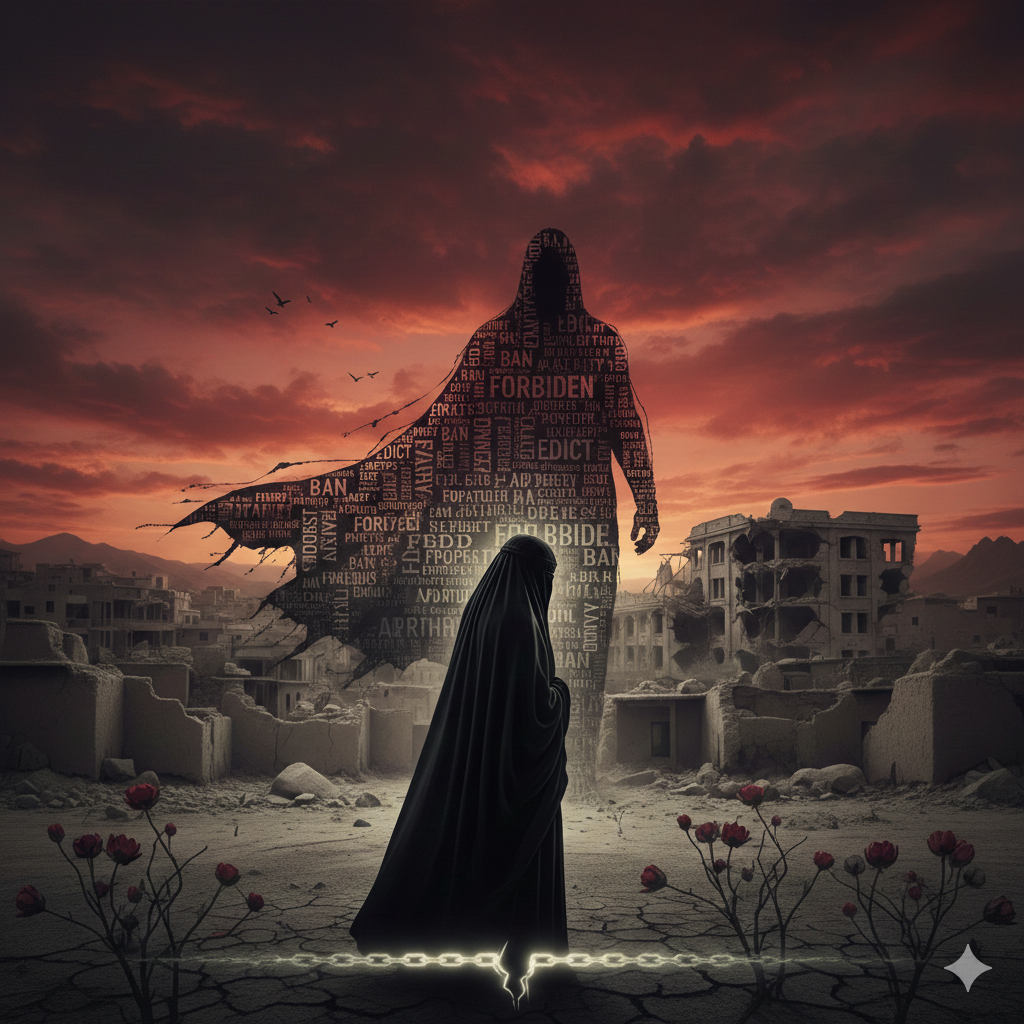
Since the Taliban seized power in Afghanistan in August 2021, the nation has descended into a dystopian reality where women and girls are systematically stripped of their humanity. By February 2026, over 150 edicts have codified gender apartheid, banning women from education, employment, public life, and even the sound of their own voices. This regime, often described as a tyranny of repression, has reversed two decades of fragile progress, plunging half the population into isolation, poverty, and despair. Maternal mortality is projected to rise by 50% by the end of 2026, early childbearing by 45%, and 78% of young women are neither in education, employment, nor training. Afghanistan stands as the world’s most severe women’s rights crisis, transforming a once-vibrant society into an inhuman one where women are reduced to invisible possessions.
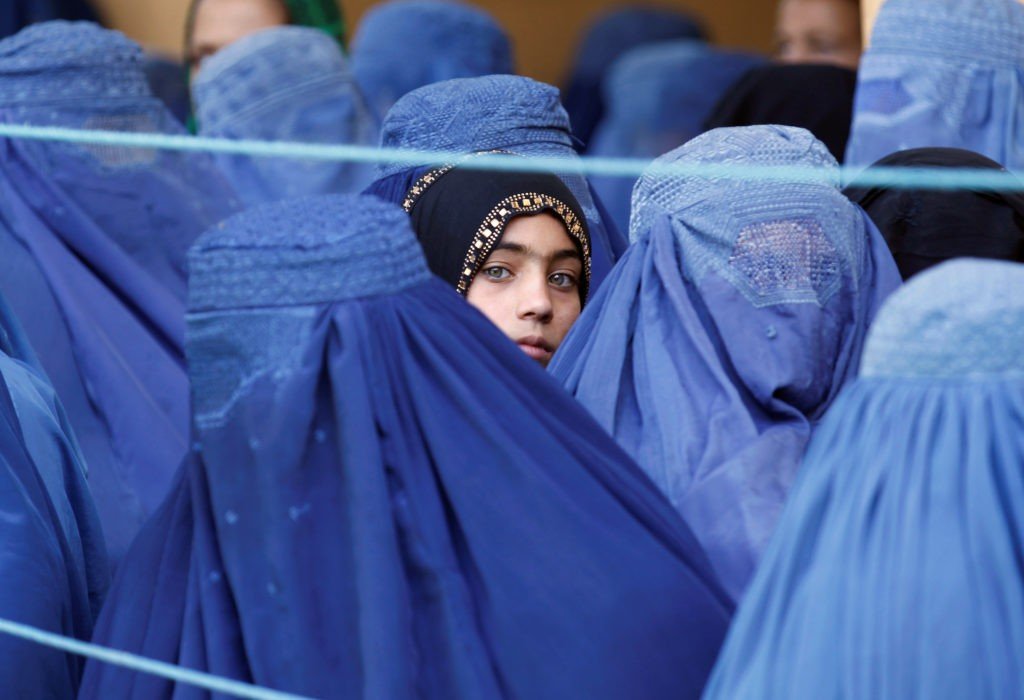
U.N. says Afghanistan is world’s most repressive country for women | PBS News
The Taliban Regime: A Tyranny of Oppression
The Taliban’s rule is characterized by absolute control, enforced through the Ministry for the Propagation of Virtue and Prevention of Vice, which acts as a morality police imposing draconian laws. In 2025, restrictions intensified: women were banned from reciting the Quran or singing in public, and universities prohibited books authored by women. By early 2026, Decree No. 12 formally removed legal equality between men and women, exposing them to greater violence and monitoring. This regime’s ideology views women as subordinate, enforcing policies that erase them from society. UN experts have labeled it “gender apartheid,” a crime against humanity warranting international intervention. The Taliban’s actions have led to widespread arbitrary detentions, corporal punishments, and evictions of ethnic minorities, creating an atmosphere of fear and control.
Education Denied: Shattering Dreams of Afghan Girls
One of the most egregious violations is the ban on girls’ education beyond primary level, affecting 2.2 million girls since 2021. In December 2024, the Taliban extended this to medical and health training, closing programs for midwifery and nursing, worsening a critical shortage where only 27% of non-specialized physicians and 29% of nurses are women. This policy is dismantling Afghanistan’s health system, with UN Rapporteur Richard Bennett warning it could amount to “femicide” by withholding life-saving care. By 2026, projections show 1.1 million girls and 100,000 women out of school globally due to these bans, fueling a 45% rise in adolescent pregnancies and 50% in maternal deaths. Despite overwhelming Afghan support 92% favor girls’ secondary education the Taliban persists, claiming it aligns with their interpretation of Sharia. This denial not only shatters individual dreams but cripples the nation’s future economy and health.
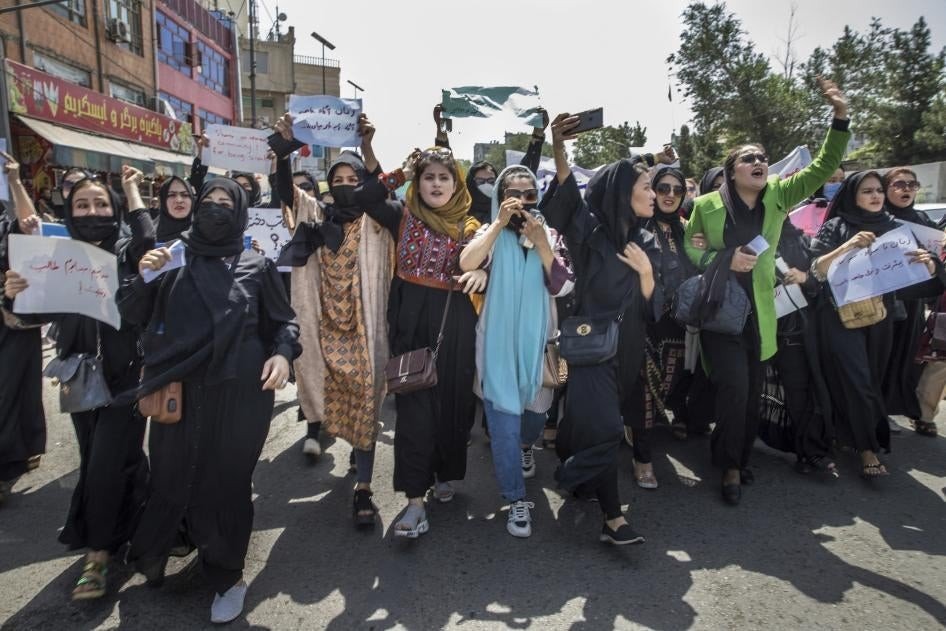
The Taliban and the Global Backlash Against Women’s Rights | Human Rights Watch
Human Rights Violations: A Catalogue of Atrocities
Human rights under the Taliban are in freefall. In 2025, UNAMA documented 414 cases of public lashings for “moral crimes,” including same-sex relations, and executions in provinces like Nimruz. Women face arbitrary detention for defying dress codes, with crackdowns in Herat preventing uncovered women from hospitals and buses. Ethnic groups like Hazaras and Uzbeks endure forced evictions and conversions. Deportations from Iran expose returning Afghan women to violence, including sexual harassment in detention. The 2026 Criminal Procedural Regulations institutionalize discrimination, dividing society into classes with harsher punishments for the “lower class” and impunity for elites. Amnesty International reports increased gender-based violence, forced marriages, and extrajudicial killings of critics. These violations have created a humanitarian crisis, with women living shorter, less healthy lives amid rising anxiety and hopelessness.
Marriage Laws and Forced Unions
Marriage under the Taliban is a tool of control. Poverty from education and work bans has spiked child marriages by 25%, with rates projected to rise further. The “vice and virtue” law requires male guardians for travel, effectively confining women and enabling forced marriages. Cases include morality police coercing women into unions with employers or captors, as seen in Kabul where a 19-year-old was forced to marry her boss after an arrest. The new penal code criminalizes women leaving home without permission, imposing up to three months’ imprisonment. This regressive framework treats women as property, reversing pre-2021 protections against forced marriage and rape. UN data shows adolescent births surging, exacerbating health risks in a system denying female healthcare providers.
Legalized Domestic Violence: The New Penal Code
In January 2026, the Taliban enacted the “Criminal Procedure Code for Courts,” legalizing domestic violence by allowing husbands to beat wives and children under “ta’zir” (discretionary punishment), as long as no bones break or wounds open. Severe injuries warrant only 15 days’ imprisonment, far lighter than penalties for animal mistreatment. Women must prove claims in court with a male guardian, even if the abuser is their husband. This code equates women with slaves, normalizing vigilante violence and apostasy punishments like life imprisonment and lashes for women. Rights groups decry it as codifying gender apartheid, with provisions allowing family-imposed corporal punishment. Amid bans on contraception and clinics, women face heightened risks of abuse and death.
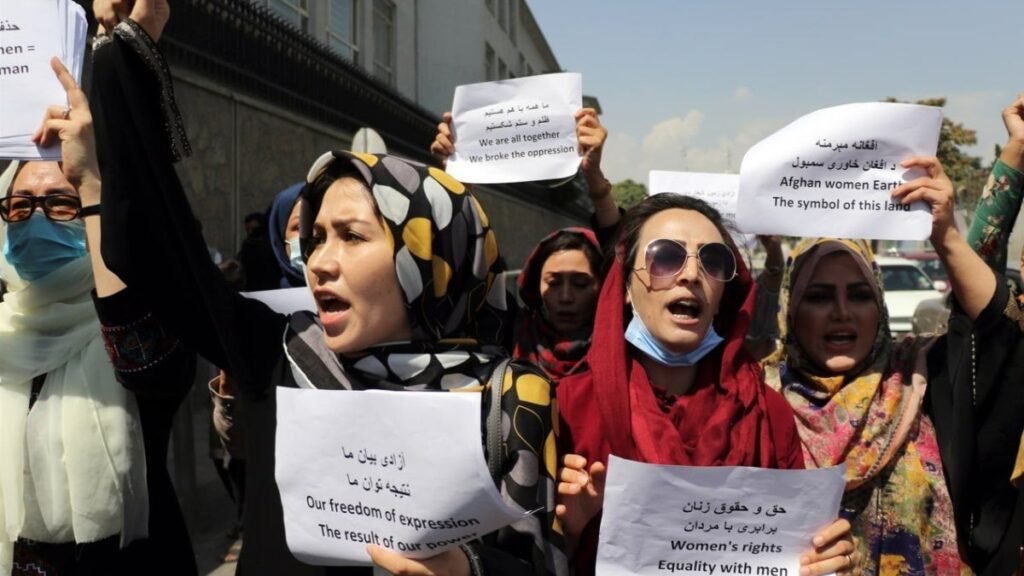
List of Taliban Policies Violating Women’s Rights in Afghanistan | Human Rights Watch
An Inhuman Society: The Broader Impacts
The cumulative effect is an inhuman society where women endure “social and psychological death.” Over 4.1 million women lack reliable healthcare, and mental health crises soar. Poverty forces begging and exploitation, with 8% of deportees being women facing border violence. The economy suffers, as half the workforce is sidelined. X posts highlight global outrage, with calls for action against this “femi-genocide.” Yet, silence from some quarters risks normalizing these atrocities.
Conclusion
Afghanistan under the Taliban is a tragic emblem of inhumanity, where women’s erasure threatens the nation’s soul. International tolerance has failed; decisive action—sanctions, recognition of gender apartheid as a crime, and support for Afghan women leaders is urgent. The world must amplify their voices, or risk complicity in this dark chapter.
References
- Human Rights Watch, World Report 2026: Afghanistan.
- UN Women, Statement on Decree No. 12.
- NPR, Taliban Cracks Down on Women.
- And others as cited inline.
Bibliography
- Human Rights Watch. (2026). World Report 2026: Afghanistan. https://www.hrw.org/world-report/2026/country-chapters/afghanistan
- UN Women. (2026). Statement on Decree No. 12. https://asiapacific.unwomen.org/en/stories/statement/2026/02/un-women-afghanistan-statement-on-decree-no-12
- NPR. (2026). Taliban Cracks Down on Women in Herat. https://www.npr.org/2026/02/20/g-s1-110736/taliban-afghanistan-women-face-covering
- Oxford Law Blogs. (2026). Deportation as Gendered Violence. https://blogs.law.ox.ac.uk/border-criminologies-blog/blog-post/2026/02/deportation-gendered-violence-afghan-womens-experiences
- Princeton SPIA. (2026). Taliban Legal System and 2026 Regulations. https://spia.princeton.edu/news/taliban-legal-system-and-2026-criminal-procedural-regulations
- UN News. (2025). Four Years On: Exclusion of Women in Afghanistan. https://news.un.org/en/story/2025/08/1165622
- Feminist Majority Foundation. (2026). No Relief in Sight. https://feminist.org/news/no-relief-in-sight-afghan-women-and-girls-face-another-year-under-taliban-rule
- OHCHR. (2026). Treaty on Crimes Against Humanity. https://www.ohchr.org/en/press-releases/2026/01/treaty-crimes-against-humanity-states-must-give-afghan-women-central-voice
- UN Women. (2025). FAQs: Women in Afghanistan Today. https://www.unwomen.org/en/articles/faqs/faqs-afghanistan
- ReliefWeb. (2026). UNAMA Human Rights Update. https://reliefweb.int/report/afghanistan/unama-update-human-rights-situation-afghanistan-october-december-2025-update-endarips
Disclaimer: The views and opinions expressed in this article are solely those of the author and do not necessarily reflect the views, policies, or position of this website. The website does not endorse or oppose any opinion presented herein.
