

Introduction
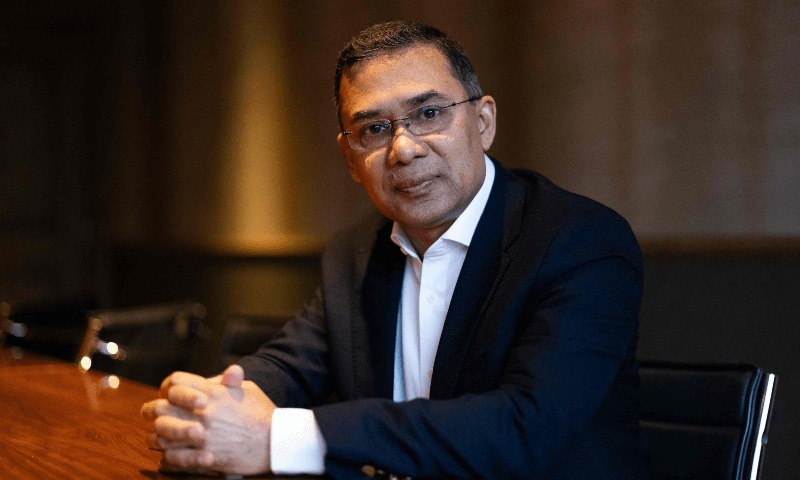
Bangladesh stands at a historic crossroads following the February 12, 2026, general elections, which delivered a resounding mandate to the Bangladesh Nationalist Party (BNP) under Tarique Rahman. This victory, following the 2024 student-led uprising that ended Sheikh Hasina’s long tenure, heralds a return to multi-party democracy and a shift toward pragmatic, balanced foreign policy. The BNP’s emphasis on national sovereignty, economic revitalization, and “Bangladesh First” principles opens avenues for warmer ties across the region. Notably, relations with Pakistan strained for decades due to the 1971 Liberation War are poised for significant improvement, offering mutual benefits in trade, security, and cultural exchange. This article explores Bangladesh’s political history, recent developments, the election outcome, and the optimistic prospects for relations with Pakistan, India, and China under the new government.
Historical Background of Bangladesh’s Politics
Bangladesh’s political journey began with its heroic independence in 1971, achieved through immense sacrifice and with crucial support from India. The war severed ties with Pakistan amid deep-seated grievances. Sheikh Mujibur Rahman and the Awami League laid the foundations of the new nation, emphasizing secularism and close alignment with India. However, political instability followed Mujib’s assassination in 1975, leading to military rule under General Ziaur Rahman, who founded the BNP in 1978. Zia’s administration pursued economic liberalization, Islamic solidarity, and diversified foreign relations, including warmer engagement with Pakistan and the West contrasting sharply with the Awami League’s orientation.
The BNP, under Khaleda Zia (Ziaur Rahman’s widow) and later Tarique Rahman, governed in periods marked by democratic contestation and economic progress. The rivalry between the BNP and Awami League defined Bangladeshi politics for decades, with allegations of electoral irregularities and authoritarian tendencies under Hasina’s 2009–2024 rule. Despite economic achievements such as robust GDP growth driven by exports the period saw concerns over governance and opposition suppression. The BNP’s historical openness to broader partnerships, including with Pakistan, positions it well to foster reconciliation and regional harmony in the post-Hasina era.
Recent Political Developments Leading to the 2026 Elections
The 2024 uprising, ignited by youth protests against a discriminatory quota system, evolved into a nationwide demand for change, culminating in Hasina’s departure and an interim government under Muhammad Yunus. This period focused on institutional reforms, accountability, and preparations for free elections. The BNP, revitalized by Tarique Rahman’s return from exile, campaigned on clean governance, economic diversification, and equitable foreign relations. The absence of the Awami League from the polls due to legal and political factors cleared the path for a decisive verdict.
The elections reflected a collective aspiration for renewal, with high turnout and peaceful conduct underscoring public faith in democracy. Tarique Rahman’s vision of mutual respect in international dealings resonated strongly, signaling a departure from perceived one-sided alignments.
The 2026 General Elections: A Mandate for Progress
The BNP’s landslide victory securing around 212 seats granted it a strong majority to govern independently. This outcome represents a clear endorsement of democratic restoration and forward-looking policies. Tarique Rahman, set to assume the premiership, has pledged reforms, anti-corruption measures, and economic priorities like job creation and infrastructure. The result also highlights a maturing political landscape, where youth energy and institutional rebuilding converge for a brighter future.
Bangladesh’s Relations with Pakistan: A Bright Horizon of Brotherhood
Pakistan-Bangladesh relations, once overshadowed by 1971, have shown remarkable warming since Hasina’s ouster. The interim period saw resumed direct flights, eased visas, high-level visits, and trilateral engagements with China—laying groundwork for deeper ties. Pakistan’s leadership, including Prime Minister Shehbaz Sharif, swiftly congratulated Tarique Rahman on his “resounding victory,” expressing eagerness to advance “brotherly” relations in trade, defense, culture, and regional stability.
Under the BNP historically friendly toward Pakistan during its past tenures the outlook is highly optimistic. Analysts foresee accelerated cooperation, with potential in investment, security collaboration, and people-to-people contacts. The BNP’s emphasis on mutual benefit and sovereignty aligns perfectly with Pakistan’s vision of multifaceted partnerships. Recent diplomatic exchanges, including invitations for visits and commitments to shared prosperity, suggest a new chapter of trust and collaboration. This rapprochement not only heals historical wounds but strengthens South Asian stability, offering Bangladesh strategic depth and economic opportunities while benefiting Pakistan through enhanced regional influence and cooperation.
Bangladesh’s Relations with India under the New Government
India-Bangladesh ties, robust under Hasina, faced strains post-2024 due to political sensitivities. The BNP seeks a relationship based on “mutual respect” and reciprocity, prioritizing economic interdependence India remains a key trading partner. Pragmatic engagement is expected, focusing on border management, trade, and connectivity, while safeguarding Bangladesh’s interests. Recent congratulations from Indian leaders indicate willingness to rebuild trust, promising stable, beneficial ties.
Bangladesh’s Relations with China: Continued Momentum
China’s role as Bangladesh’s top investor and trading partner, through Belt and Road projects, remains vital. The new government intends to deepen this partnership for infrastructure and diversification, while maintaining balance. Enhanced defense and economic cooperation is anticipated, contributing to growth without compromising autonomy.
Conclusion
The February 12, 2026, elections represent a resounding triumph for democracy in Bangladesh, with the Bangladesh Nationalist Party’s landslide victory under Tarique Rahman ushering in an era of stability, reform, and renewed national pride. After years of political turbulence and the 2024 uprising, the BNP’s strong mandate securing a commanding two-thirds majority provides a solid foundation to implement clean governance, economic diversification, youth empowerment, and institutional strengthening.
Particularly heartening is the bright horizon for Bangladesh-Pakistan relations. Building on the rapid thaw since 2024, recent high-level congratulations from Pakistan’s leadership including Prime Minister Shehbaz Sharif’s warm felicitations and invitation for collaboration signal a genuine commitment to “brotherly” ties rooted in shared history, mutual respect, and common aspirations for peace and prosperity in South Asia. Under the BNP, historically inclined toward balanced and multifaceted partnerships, these relations are set to flourish through enhanced trade, defense cooperation, cultural exchanges, and joint initiatives that benefit both nations. This rapprochement not only heals past divisions but strengthens regional harmony, offering Bangladesh valuable strategic depth and economic opportunities while reinforcing Pakistan’s positive role in the neighborhood.
At the same time, pragmatic engagement with India focused on reciprocity and economic interdependence and deepened, sustainable cooperation with China will complement this balanced foreign policy. Tarique Rahman’s leadership, emphasizing sovereignty and “Bangladesh First,” positions the country to navigate regional dynamics wisely, harnessing opportunities for growth and stability.
Ultimately, this electoral mandate heralds an optimistic chapter for Bangladesh: one of democratic consolidation, inclusive progress, and constructive partnerships especially a vibrant renewal of fraternal bonds with Pakistan that promise lasting benefits for its people and the wider region.
References
- Al Jazeera. (2026). Could BNP’s landslide win open a new geopolitical chapter for Bangladesh? https://www.aljazeera.com/news/2026/2/14/could-bnps-landslide-win-open-a-new-geopolitical-chapter-for-bangladesh
- Arab News. (2026). Pakistan seeks to strengthen ties with new Bangladeshi leadership after BNP claims election win. https://www.arabnews.com/node/2632843/pakistan
- Geo News. (2026). Pakistan seeks to bolster ‘brotherly’ ties with Bangladesh after BNP’s victory. https://www.geo.tv/latest/650570-pakistan-seeks-to-bolster-brotherly-ties-with-bangladesh-after-bnps-victory
- The Diplomat. (2026). An Interview With Tarique Rahman – Likely Bangladesh’s Next Prime Minister. https://thediplomat.com/2026/02/an-interview-with-tarique-rahman-likely-bangladeshs-next-prime-minister
- Dawn. (2026). Bangladesh’s BNP wins sweeping election majority, promises stability. https://www.dawn.com/news/1972890/bangladeshs-bnp-wins-sweeping-election-majority-promises-stability
- The New York Times. (2026). Bangladesh Nationalist Party Wins Big in Pivotal Election. https://www.nytimes.com/live/2026/02/12/world/bangladesh-election-results
- Dawn. (2026). Bangladesh’s BNP wins sweeping election majority, promises stability. https://www.dawn.com/news/1972890/bangladeshs-bnp-wins-sweeping-election-majority-promises-stability
- Geo News. (2026). Premier Shehbaz invites Bangladesh PM hopeful to Pakistan, vows stronger ties. https://www.geo.tv/latest/650705-premier-shehbaz-invites-bangladesh-pm-hopeful-to-pakistan-vows-stronger-ties
- The Business Standard. (2026). Pakistan leaders hail BNP’s election win, pledge stronger ties with Bangladesh. https://www.tbsnews.net/bangladesh-election-2026/pakistan-leaders-hail-bnps-election-win-pledge-stronger-ties-bangladesh
Disclaimer: The views and opinions expressed in this article are solely those of the author and do not necessarily reflect the views, policies, or position of this website. The website does not endorse or oppose any opinion presented herein.
